A Historic Transformation at COP31: Turkey's '35 by 35' Vision and Global Climate Goals
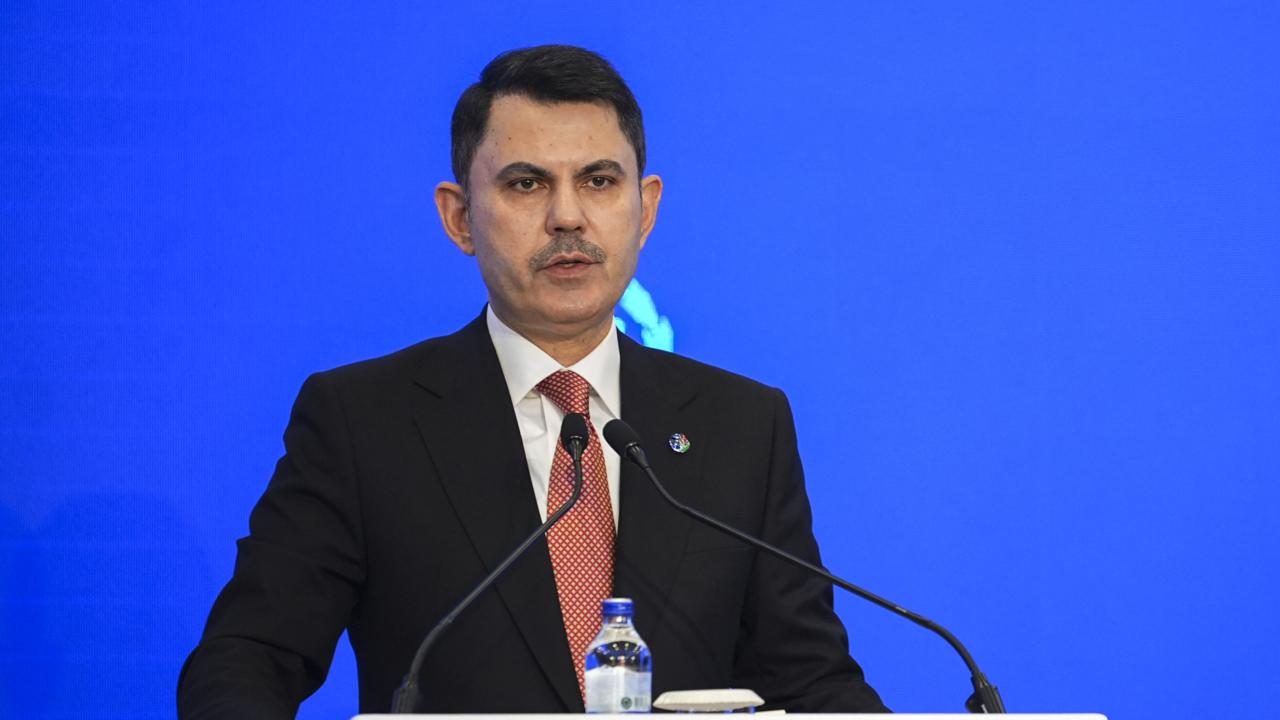
The United Nations Climate Change Conference (COP31), hosted by Turkey, is witnessing a turning point in global climate diplomacy. Minister of Environment, Urbanization and Climate Change Murat Kurum shared the 'Cover Decision Draft,' which took shape after days of intense negotiations, with the public at the Mevlana Press Conference Hall. Minister Kurum emphasized that this draft is not just a technical document, but a collective declaration of will to protect the future of humanity.
At the heart of the meeting lies the '35 by 35' vision, which aims to increase the share of electricity in global final energy consumption to 35% by 2035. This ambitious target aims to accelerate the integration of renewable energy sources into the system while reducing dependence on fossil fuels. Minister Kurum stated that this transformation is not only an environmental necessity but also an economic competitive advantage, drawing attention to the support provided by the European Commission for this initiative.
Background of the Development
The fight against climate change entered a new phase with the 2015 Paris Agreement. The 1.5-degree target is accepted as a critical threshold for the world to remain habitable. COP31 was designed as a summit where this target must turn into concrete action plans rather than remaining on paper. During its presidency, Turkey aims to bridge the financial and technical gap between developed and developing countries by creating a transparent and inclusive negotiation environment.
The Cover Decision Draft is based on the new nationally determined contributions (NDCs) submitted by 167 parties. These contributions show that countries are updating their emission reduction targets and transitioning to a more resilient structure against climate change. However, experts state that the implementation of these contributions requires the operationalization of technology transfer and financing mechanisms. Turkey's '35 by 35' call acts as a catalyst for the modernization of energy systems at this point.
Historically, the electrification of energy systems is considered one of the greatest structural changes since the industrial revolution. The transition from the centralized structure of fossil fuels to the distributed structure of renewable sources brings with it not only an energy transition but also a social transformation process.
Expert and Industry Insights
Industry representatives and climate economists describe the targets announced by Minister Kurum as 'realistic and transformative.' According to energy market experts, the 35% electrification target necessitates the digitalization of grid infrastructure and the widespread adoption of storage technologies. Key expert evaluations are as follows:
- Grid modernization: Existing electrical grids must be transformed into 'smart grids' capable of handling the variable nature of renewable energy.
- Storage technologies: Lithium-ion and hydrogen-based storage systems are critical for supply security.
- Energy efficiency: For electrification to be successful, high efficiency standards must be implemented on the consumption side.
- Access to finance: Access to low-cost green financing sources must be facilitated so that developing countries can carry out this transformation.
- Employment impact: The renewable energy and electrification sector will support economic growth by creating next-generation job fields.
Industry representatives state that these targets provide long-term investment predictability for the private sector, which will pave the way for green investments. In particular, increasing the share of electricity in industrial production is seen as one of the most effective methods for reducing the carbon footprint.
Economic and Social Implications
The electrification move will not only reduce carbon emissions but also improve the foreign trade balance for countries dependent on energy imports. The use of domestic and renewable resources will provide long-term stability in energy costs, increasing the competitiveness of the industry. From a social perspective, clean air and healthier cities have the effect of reducing public health expenditures.
At the societal level, this transformation brings the concept of 'just transition' to the forefront. Implementing training programs and social support mechanisms to shift the workforce employed in the fossil fuel sector to new green economy areas is vital for the social acceptance of the process. As Minister Kurum emphasized, this transformation must be carried out in an inclusive manner, leaving no one behind.
Future Projections and Outlook
In the coming period, the finalization of the 'Cover Decision Draft' and how countries will reflect these commitments into their national legislation will be closely monitored. Following COP31, it is expected that annual progress reports will be published to reach the 2035 targets and that concrete collaborations will be established regarding technology transfer.
Risks include the impact of global geopolitical tensions on supply chains and fluctuations in financial markets. However, Turkey's diplomatic success and the international acceptance of the '35 by 35' call increase optimism that these risks can be managed with common sense. The next decade will be a period in which energy systems are completely redefined.
💬 Yorumlar 0
Henüz yorum yapılmamış. İlk yorumu siz yazın!



















