A New Era in Immunity: Biological Clocks and the Cell Banking Revolution
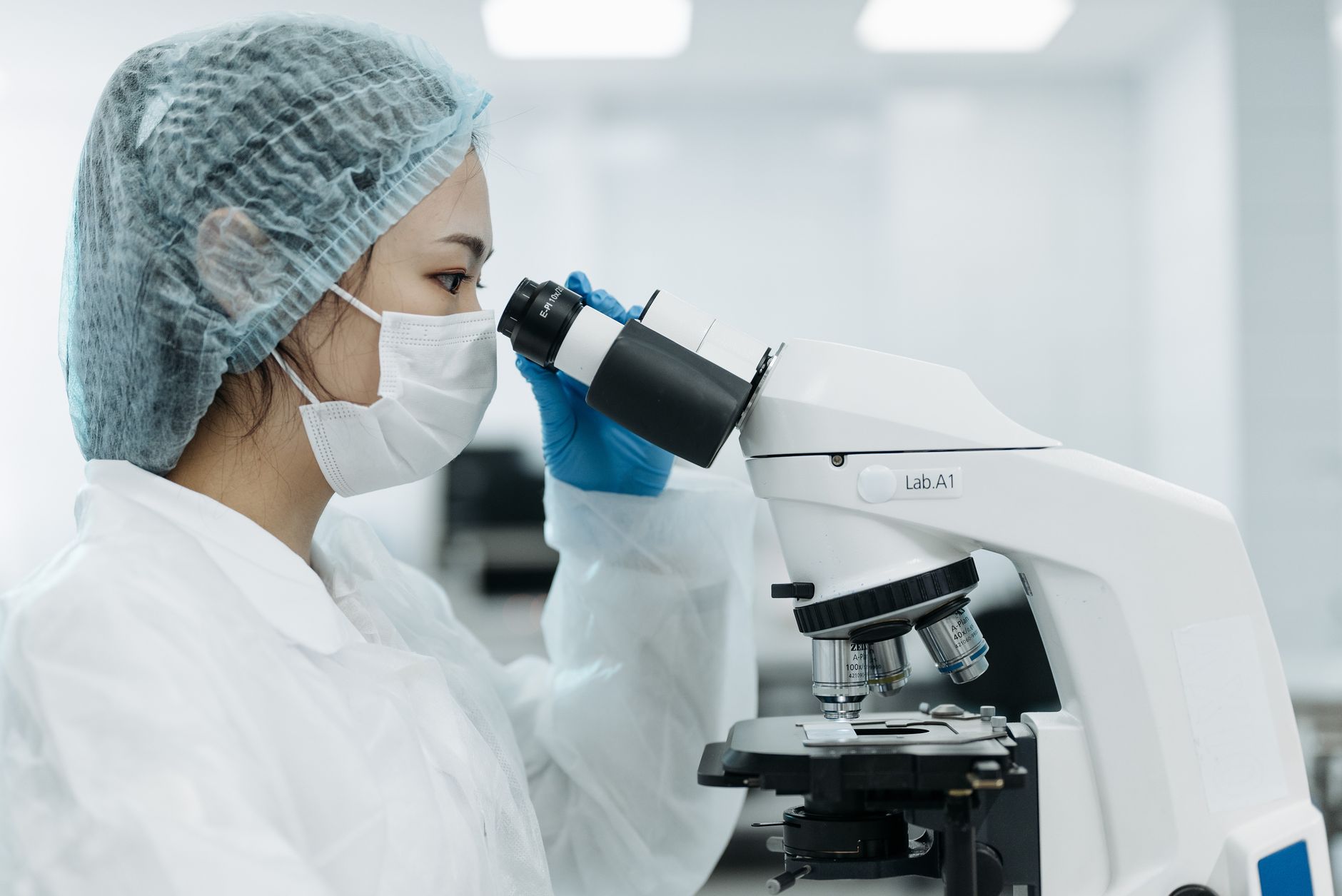
The year 2026 marks a turning point where the concept of 'immune flexibility' has become the centerpiece of human health. Experts emphasize that the immune system is not merely a defense mechanism but an orchestra conductor managing the body's biological rhythm. The increasing complaints of fatigue and chronic exhaustion during seasonal transitions prove how critical the immune system's response to environmental factors is. Changes in daylight duration and deviations in biological rhythms are among the most fundamental elements directly affecting an individual's resistance to diseases.
Recent clinical observations are seeking scientific answers to why some individuals never get sick. Experts state that the flexibility of the immune system—the 'not too little, not too much' balance—is the key to longevity. This is defined not just as genetic luck, but as a skill of living in harmony with lifestyle choices and one's biological clock. The emphasis placed by specialists like Dr. Alev Cansu Certel on childhood immunity highlights that this discipline is a habit that must be acquired at an early age.
However, technological developments in this field are not limited to preventive medicine. Applications like 'cell banking,' initiated by US-based companies such as Reservoir, make it possible to freeze immune cells for use in future medical technologies. This is accepted as the first concrete step toward a vision of managing the immune system like a 'spare part' repository.
Background of the Development
Immune system research has undergone a radical transformation over the last decade. Stories of patients like 71-year-old Maureen Sideris, who overcame colon cancer in 2008, prove that new-generation immune therapies look like they were ripped from science fiction movies. The fact that patients encountering cancer again 14 years later are surviving through new treatments that boost the immune system is considered a revolutionary development in medical literature.
Historically, the immune system's overreaction has always been the biggest obstacle in critical operations like organ transplants. Indeed, in the third uterine transplant performed in Turkey in July 2026, the patient's immune system rejecting the organ served as a reminder of how complex and difficult this system is to control. Such cases reveal that the immune system not only fights diseases but also shows extreme sensitivity to foreign tissues.
As of 2026, 'biohacking' trends have accelerated individuals' efforts to optimize their own bodies. The focus of Generation Z on digital wellness and healthy aging has created a new market in the health sector. People are no longer just aiming to be treated; they are adopting a proactive approach that aims to avoid illness by increasing their 'immunity scores.'
Expert and Industry Insights
Experts agree on 10 fundamental points to strengthen the immune system. These points cover a wide range, from protecting biological rhythms to nutritional habits. The common views of industry representatives are as follows:
- Balanced nutrition and regular sleep are the primary fuel for the immune system.
- Physical activity is the most important biological stimulus that triggers cell regeneration.
- Mental health and stress management directly affect the functioning of immune cells.
Specialists like Dr. Alev Cansu Certel emphasize that for a strong immune system in children, vaccination schedules must be followed, hygiene rules must be adopted, and balanced nutrition must be transformed into a lifestyle. The medical world, agreeing that natural processes should be supported rather than over-protective approaches, advocates that the immune system needs to be 'trained.'
The biotechnology sector, meanwhile, is creating an insurance policy against future geriatric diseases through methods like freezing immune cells. This indicates that 'preventive medicine' spending in the health economy will increase and personalized health solutions will become mainstream.
Economic and Social Implications
Investments in the immune system are transforming the global health economy. It is no longer just drugs that treat diseases, but supplements and technological applications that optimize the immune system that are at the forefront. This leads to an increase in the share allocated to preventive medicine in health budgets.
At the social level, the desire to create a generation that 'never gets sick' has turned the wellness sector into a multi-billion dollar industry. Generation Z's digital wellness trends necessitate that wearable technology devices track immunity data in real-time. This triggers the rise of data-driven healthcare services.
On the employment side, the demand for biotechnology experts and researchers specializing in immunology is increasing rapidly. Healthcare institutions are now forced to specialize not only in hospital management but also in biological data analytics.
Future Projections and Outlook
In the coming period, it is expected that personalized immune therapies will become standard. Especially in cancer treatments, the increased accessibility of methods that activate the immune system will improve life expectancy and quality. However, global debates regarding the ethical use and accessibility of these technologies will continue.
The widespread adoption of applications like cell banking could make biological aging a manageable process rather than a destiny. It is predicted that by 2027 and beyond, individuals who can manage their immune system like an orchestra will lead much healthier and longer lives.
💬 Yorumlar 0
Henüz yorum yapılmamış. İlk yorumu siz yazın!





