A New Flavor of Global Diplomacy at COP31: Antalya's Local Bananas
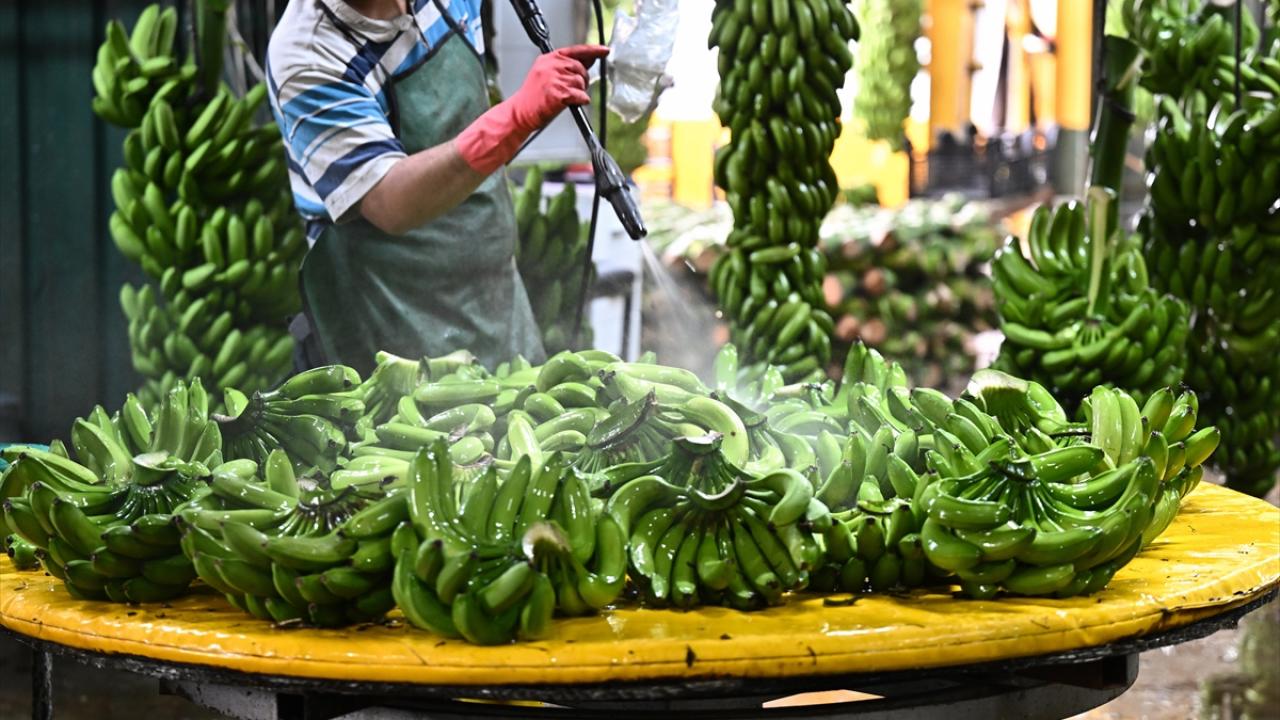
COP31, one of the most critical climate summits shaping the world's future, is emerging not only as a platform for carbon emissions and sustainability goals but also as a stage where host countries showcase their cultural and agricultural values. Within the scope of this year's summit, Turkey's success in agricultural production has been brought to the global stage, particularly through Antalya's local bananas. Served at the summit venue and in hotels where participants are staying, the local banana received intense interest from many heads of state, ministers, and international bureaucrats, most notably Armenian Prime Minister Nikol Pashinyan. This situation serves as a concrete example of how agricultural products can be used not just as food, but as elements of a country's soft power.
Antalya Provincial Director of Agriculture and Forestry, Şakir Fırat Erkal, stated that this success was no coincidence, emphasizing that Antalya's leadership in greenhouse agriculture is also reflected in banana production. Stating that approximately half of Turkey's total banana production is met by Antalya, Erkal highlighted the technological transformation the sector has undergone in the last twenty years. This promotion is not just a treat, but also a global recognition of the investments Turkey has made in modern agricultural techniques.
Background of the Development
Banana production in Turkey has experienced a quiet revolution, especially over the last two decades. The transition from traditional methods to modern greenhouse agricultural techniques has dramatically increased efficiency rates. The yield, which was approximately 2.7 tons per decare in 2005, reached 6.6 tons as of 2025, exceeding world standards. This increase was made possible not only by the expansion of production areas but also by breeding studies and the widespread adoption of climate-controlled greenhouses.
Antalya is the epicenter of this transformation. Providing more than 400,000 tons of Turkey's 870,000-ton total production, the city offers a model for how agricultural sustainability can be achieved in a world struggling with climate change. The banana sector, which was dependent on imports in the past, has today turned into an export potential that meets domestic consumption and stands out with its quality on international platforms.
Historically, showcasing Turkey's agricultural products at international summits increases the motivation of local producers while simultaneously raising the brand value of domestic products. The presentation of these products at a massive organization like COP31 symbolizes Turkey's determination regarding food security as part of agricultural diplomacy.
Expert and Industry Insights
Industry representatives and agricultural economists evaluate the success of Antalya bananas at COP31 as a critical turning point in terms of agricultural efficiency and brand value. According to experts, such promotions increase the appetite of local producers to open up to global markets.
- Modern irrigation and climate control systems have increased yield per unit area by 140%.
- Greenhouse agriculture is one of the most effective methods to minimize the negative impacts of climate change on agriculture.
- The taste and quality of local bananas are at a level that can compete with international standards.
- Agricultural diplomacy has become an indispensable tool for countries to protect their economic interests.
- Antalya's production capacity plays a strategic role in Turkey's food supply security.
Experts state that for this success to be sustainable, R&D activities must be increased. New investments, especially in water management and energy efficiency, will make Antalya bananas more competitive in the world market.
Economic and Social Implications
Antalya's success in banana production creates a multiplier effect on the regional economy. Banana production, which is a source of livelihood for thousands of families, has become one of the most important engines of rural development. This promotion at COP31 is of great importance in terms of ensuring that local producers receive the reward for their labor and increasing the added value of the product.
From a social perspective, the appreciation of local bananas by heads of state increases consumer confidence in and demand for domestic products. This directly contributes to reducing dependence on imported goods and strengthening the local economy. In terms of market balance, keeping prices at more accessible levels through increased efficiency creates a balance that protects both the producer and the consumer.
Future Projections and Outlook
In the coming period, Antalya is expected to continue its technology-focused growth in banana production. Official processes are focused on exploring new markets, especially to increase export potential. With the support of the Ministry of Agriculture and Forestry, the goal is to spread modern greenhouse techniques to wider areas.
In terms of risk management, the greatest expectation is the development of varieties that are more resilient to the effects of climate change on agriculture. By taking a pioneering role in this regard, Antalya will continue to be Turkey's production base not only for bananas but also for other tropical and subtropical products. This momentum gained at COP31 will be supported by long-term strategies as part of Turkey's agricultural vision.
💬 Yorumlar 0
Henüz yorum yapılmamış. İlk yorumu siz yazın!



















