A Revolution in Digital Health: Smart Floss Launches Metabolic Monitoring Era
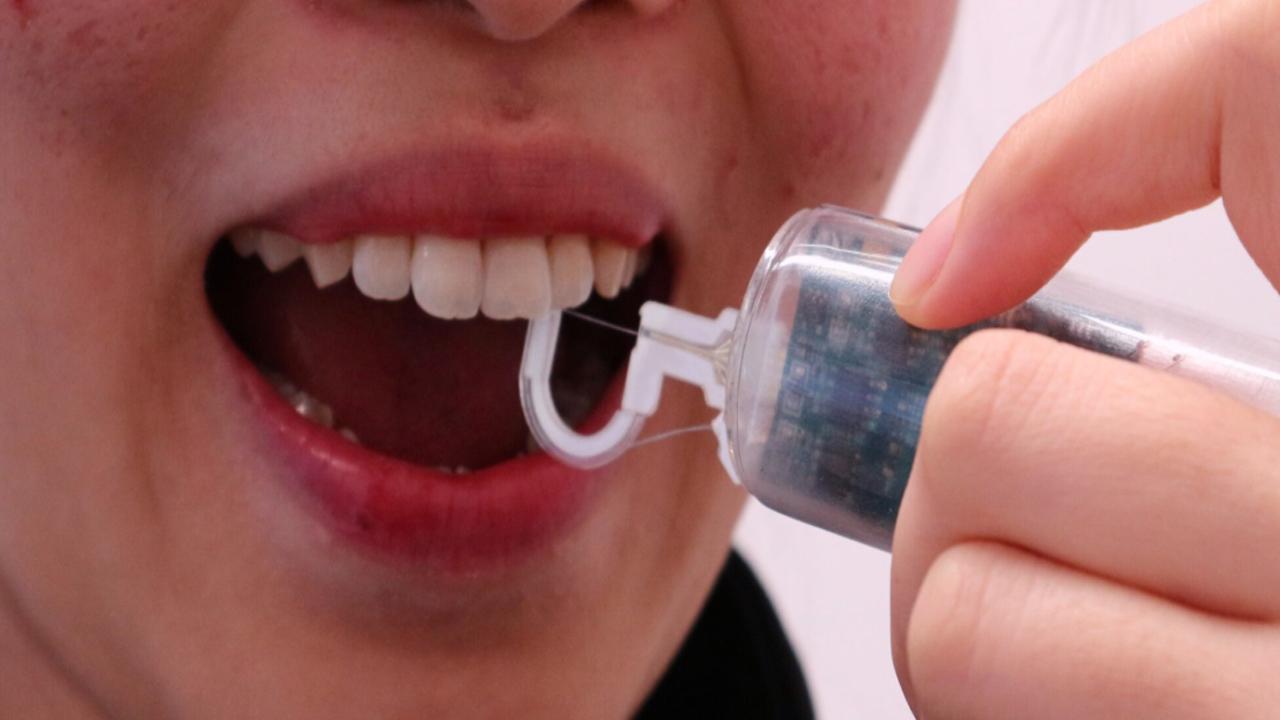
The modern medical world has begun to accept that oral health is not limited to teeth and gums, but is a mirror of the entire body's systems. A team led by biotechnologist Hnin Yin Yin Nyein at the Hong Kong University of Science and Technology (HKUST) has taken this understanding a step further by developing a revolutionary 'smart floss' capable of collecting metabolic data from debris between teeth. The findings, published in the journal Science Advances, reveal that this device, which looks like a traditional toothpick-floss, can measure glucose and uric acid levels with accuracy close to blood tests.
The device functions not just as a cleaning tool, but as a laboratory equipped with biosensors featuring a complex microfluidic system. Fluids collected during flossing are transmitted to sensors via a special pulley system, and values such as pH, hydrogen peroxide, glucose, and uric acid are analyzed within minutes. This technology has the potential to revolutionize early diagnosis of chronic diseases from the comfort of home.
Background of the Development
Historically, oral health has been treated as a discipline separate from general medical examinations. However, research conducted over the last two decades has proven that periodontal diseases are directly linked to systemic illnesses such as diabetes, cardiovascular conditions, strokes, and even dementia. The spread of oral inflammation to other parts of the body via bacteria entering the bloodstream has led the medical world to monitor intraoral biomarkers.
The device developed by the HKUST team is considered one of the most successful examples of the miniaturization process in biotechnology. While dentists have used manual probes to measure the depth of gum pockets for decades, this new technology makes the process digital and non-contact through acidity and hydrogen peroxide measurements. The device's design has been optimized to allow patients to collect health data without disrupting their daily routines.
This study represents the evolution of biosensor technologies from wearable devices to 'edible or usable' devices. Integrating microfluidics technology into a simple everyday tool like dental floss is seen as a massive step toward increasing the accessibility of health monitoring technologies.
Expert and Industry Insights
Biotechnology and dentistry experts state that this invention could fundamentally change clinical diagnostic processes. In particular, reducing routine processes such as blood sugar monitoring for diabetic patients to a simple act like flossing could significantly increase patient compliance and quality of life.
- The integration of biosensors into microfluidic channels provides high sensitivity in fluid analysis.
- The correlation of glucose and uric acid measurements with blood tests supports the device's clinical validity.
- Monitoring gum health through hydrogen peroxide levels offers opportunities for early diagnosis.
- The user-friendly design provides ease of use for elderly and chronic patient populations.
- The data collection process creates a digital patient follow-up history for dentists.
Industry representatives emphasize that this technology is not just a cleaning tool but a data source for personalized medicine. Experts predict that if the device goes into mass production, it could become a routine screening tool in dental clinics.
Economic and Social Implications
The commercialization of this smart floss could have a significant impact on health economics. Technologies of this kind, which reduce the need for hospital visits and offer early diagnosis at home, have the potential to lower healthcare costs in the long run. Given the need for low-cost screening tools, especially in developing countries, the social impact of this device is quite broad.
Socially, increasing the importance placed on oral health will contribute to raising general health awareness. When people know that they are not just cleaning their teeth but also checking their metabolic status while flossing, they will show more interest in preventive medicine practices. This could alleviate the burden of chronic diseases across society.
From a market dynamics perspective, increased interest from biotechnology companies in this patented technology is expected. By blurring the lines between personal care products and medical devices, smart floss could create a new category of 'smart home health' products.
Future Projections and Outlook
In the coming period, the device is expected to be tested on larger populations and its long-term data reliability proven. The HKUST team will focus on extending the life of the sensors and integrating data transmission with smartphone applications. This will establish a 'telemedicine' bridge that allows data to be shared directly with physicians.
The approval processes of regulatory bodies (such as the FDA or EMA) will be the most critical factor determining the device's market launch calendar. Once clinical validation studies are completed, it may become a possibility for this device to be prescribed not just as floss, but as a 'metabolic tracking device.'
In conclusion, the scientific world welcomes this development as a 'digital bridge' that closes the gap between oral health and general medicine. It would not be surprising to see not only cleaning promises but also warnings and analyses regarding metabolic health data on floss boxes within the next five years.
💬 Yorumlar 0
Henüz yorum yapılmamış. İlk yorumu siz yazın!



















