Biotech Breakthrough: TÜBİTAK 4004 Empowers Next-Gen Health Scientists
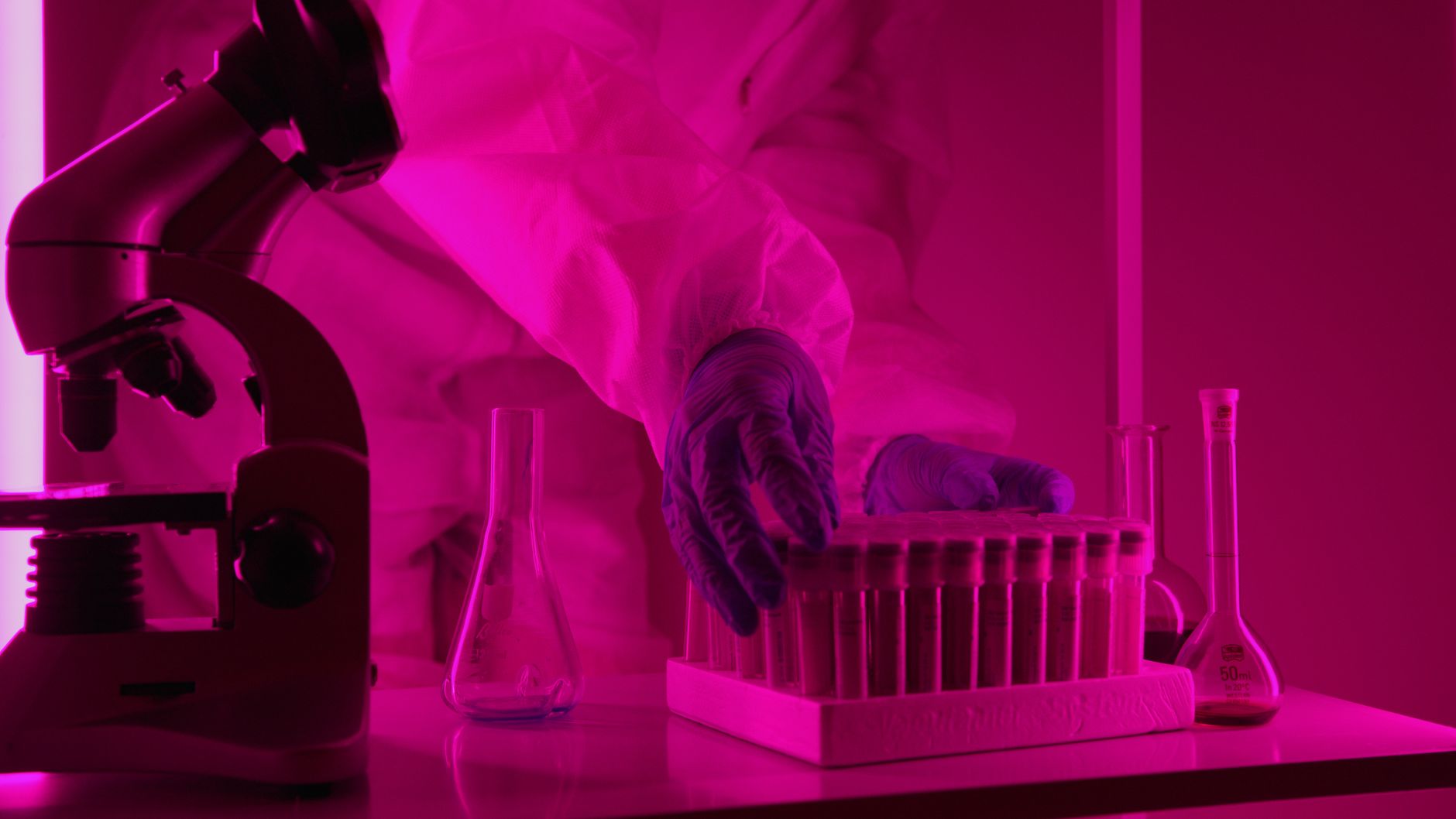
In line with Turkey's goals of technological independence and localization in health, the 'Introduction to Biotechnology through Scientific Discovery 2' project, implemented under the TÜBİTAK 4004 Nature Education and Science Schools Support Program, has created a significant impact in the scientific community. The 20th period calls published as of November 2026 bring together young minds from all over Turkey on the axis of biotechnology, genetics, and health sciences. This project is characterized as a strategic move aimed at laying the foundations of Turkey's future biotechnology workforce, beyond being just an educational activity. This scientific network, stretching from Kayseri to Zonguldak, allows young people to transform theoretical knowledge into practice in a laboratory environment.
Biotechnology, the core focus of the project, has become the most critical component of modern medicine and the healthcare sector. The 545,000 TL project support provided by TÜBİTAK covers a wide range from educational materials to laboratory consumables, removing financial barriers for researchers. Especially in events hosted by well-established institutions such as Abdullah Gül University (AGÜ), the introduction of students from 16 different provinces to genetic engineering and biotechnological methods proves the national scope of the project. In this process, it is aimed that young people gain experience in advanced subjects such as DNA isolation, protein synthesis, and cell culture.
Background of the Development
The TÜBİTAK 4004 program has been serving as a platform aiming to increase scientific awareness through nature education and science schools for years. However, in recent years, the focus of this program has shifted to more technical and strategic areas in parallel with the 'National Technology Move' vision. The success of past projects such as 'Göktepe-2 from Macro to Micro' has formed the basis of the 'Introduction to Biotechnology 2' project. This process, led by institutions such as the Zonguldak Dr. Şaban Teoman Duralı Science and Art Center, shows how scientific education creates a multiplier effect from local to national levels.
By 2026, the 20th period call published by TÜBİTAK for the 4004 program has necessitated the integration of scientific education with digitalization and high technology. Projects that were mostly focused on nature observation in the past have now evolved into interdisciplinary fields such as EtnoSTEAM and biotechnology. This evolution is directly related to Turkey's desire to increase its share in the global health market and develop its capacity to produce its own drugs and vaccines. The content of the training programs is made compatible with current scientific literature, ensuring that students gain a vision at global standards.
Historically, while biotechnology education has generally been concentrated at the university and graduate levels, TÜBİTAK 4004 projects break this barrier and include even secondary school students in these complex processes. This means that Turkey is starting to fill its scientific human resource pool at an early age. The current calls in 2026 show how determinedly this strategy is being implemented and that the state's incentives in this field will continue to increase.
Expert and Industry Insights
Industry experts and academics state that TÜBİTAK's biotechnology-oriented projects are a 'lifeblood' for Turkey's health economy. It is emphasized that since genetic research and biotechnological production are in the group of high value-added products, any investment in this field carries the potential for billions of dollars in savings and exports in the long run. According to experts, the support amount of 545,000 TL is a very competitive and encouraging figure for an education project.
- Academic View: 'Young people learning technologies like CRISPR at an early age will determine Turkey's biotechnology start-up ecosystem 10 years from now.'
- Sectoral Impact: 'The domestic pharmaceutical industry needs the qualified workforce trained in these projects. Education and industry integration is strengthening with these projects.'
- Strategic Importance: 'Biotechnology is not just a health issue, but also a national security issue. Societies that can process their own genetic data will have a say in the future.'
Experts speaking at the events held in Kayseri point out that the synergy created by students from 16 different provinces reduces regional development differences. Science festivals and workshops ensure that young people not only receive theoretical information but also develop their problem-solving and innovative thinking skills. This is of critical importance for moving Turkey's position in the global innovation index upwards.
Economic and Social Implications
The economic reflections of these investments in biotechnology education will be seen in the form of reduced health expenditures and increased domestic production capacity in the medium and long term. As a country that spends billions of dollars every year on the import of pharmaceuticals and medical devices, Turkey is training the human resources that will develop its own technology through these projects. The 545,000 TL grant support is actually the seed capital for future multi-billion dollar investments. The initiatives to be established by the young people trained in these projects will play an important role in closing Turkey's current account deficit.
From a social perspective, these projects spread scientific literacy to the general public. Biotechnology training combined with projects such as 'EtnoSTEAM 2 with North Stars' proves that science is not just confined to laboratories, but is in every aspect of life. The participation of students from different provinces of Anatolia in these projects strengthens equality of opportunity in education and carries the career goals of young people to world standards. Science festivals positively change the perspective of families and society towards science.
Furthermore, the impact of such projects on employment cannot be ignored. The biotechnology sector is considered one of the highest-paid and most prestigious business lines worldwide. Turkey's expertise in this field will create an ecosystem that can reverse the brain drain or at least ensure that qualified young people stay within the country. The increase in social welfare is directly linked to the self-confidence of being a technology-producing society.
Future Projections and Outlook
In the coming period, it is expected that the scope of the TÜBİTAK 4004 program will be further expanded and the budget allocated to 'deep-tech' areas such as biotechnology will be increased. With the conclusion of the 2026 calls, it is planned to establish hundreds of new science schools and workshops across Turkey. In this process, it is aimed to transform university-industry cooperation into more concrete projects and to evaluate the commercialization potential of the prototypes developed by the students.
According to the official calendar, the outputs of the projects supported until the end of 2026 will be shared with the public and successful models will set an example for other provinces. This educational mobilization of Turkey in the field of biotechnology will be one of the most important building blocks of the goal of becoming a global center within the framework of the 2030 vision. Although the risks include the inability to catch up with technological speed, TÜBİTAK's dynamic structure and the high incentives provided minimize these risks. The future will be shaped by the hands of young people who decode genetic codes and use this information for the benefit of humanity.
💬 Yorumlar 0
Henüz yorum yapılmamış. İlk yorumu siz yazın!



















