Climate Awareness for Future Generations at COP31: Cycling Eco-Superheroes
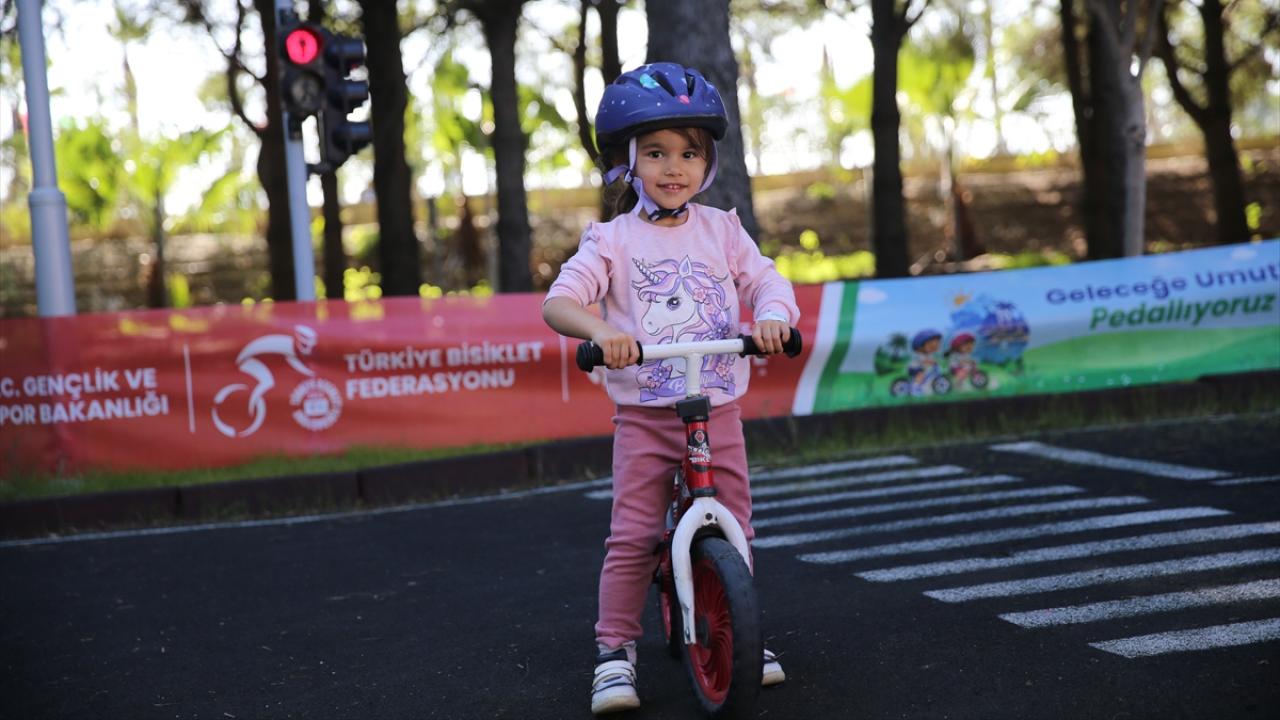
As the future of the world's climate is debated at the COP31 summit, the event is witnessing the active participation of not only heads of state and diplomats but also the children who will be the architects of the future. The Youth and Children's Center, established in the Green Zone of the summit, is teaching children about the critical role of cycling in the fight against climate change in an engaging way. Designed with the theme "I am a cycling eco-superhero," this special space aims to strengthen children's connection with nature while turning them into advocates for a sustainable life.
Led by Harun Onay, a member of the Sustainability and Social Events Board of the Turkish Cycling Federation, this initiative focuses on hands-on learning rather than theoretical knowledge. Children learn traffic rules on a track set up with balance bikes, while also having the chance to experience a zero-emission mode of transport. This activity stands out as a symbolic step emphasizing the importance of individual behavioral change in solving the climate crisis.
Background of the Development
In the fight against climate change, the transportation sector is recognized as one of the largest sources of global emissions. While COP summits have traditionally focused on energy and industrial policies, concepts like "individual responsibility" and "sustainable urbanization" have moved to the top of the agenda in recent years. This initiative by the Turkish Cycling Federation aligns directly with Turkey's green transformation strategies in line with the Paris Agreement goals.
Historically, while the bicycle was the primary mode of transport before the industrial revolution, it was excluded from urban planning with the rise of the automotive industry. However, today, rising urbanization rates and air pollution have made the bicycle a "solution tool" once again. This training track at COP31 aims to show children that a healthier and cleaner transport culture is possible beyond automobile dependency.
The fact that Turkey's geography is suitable for cycling in 90 percent of its cities proves that this initiative is not just an awareness project but also a long-term transport strategy. As Harun Onay points out, the negligible time difference between a car and a bicycle over a 5-kilometer distance reveals that cycling is an efficient alternative for urban transport.
Expert and Industry Insights
Industry experts emphasize that habits formed in childhood determine lifestyle in adulthood. The fact that cycling is not just a means of transport but also a public health tool stands out as a common view among experts. As Harun Onay underlines, cycling supports cardiovascular health while eliminating the carbon footprint.
The fundamental assessments of experts on the subject are as follows:
- Cycling reduces traffic congestion in cities, minimizing noise pollution.
- Zero carbon emissions improve local air quality, contributing to a decrease in respiratory diseases.
- Traffic education provided to children ensures the upbringing of more conscious and safe drivers/cyclists in the future.
- Choosing bicycles for short-distance transport directly reduces fossil fuel consumption.
- Cycling, which encourages physical activity, is one of the most effective and low-cost methods in the fight against obesity.
These assessments prove that cycling is not just a sport but also a tool for "urban resilience." Experts state that investments by local governments in bicycle paths will be among the projects that provide the fastest return in the fight against climate change.
Economic and Social Implications
The spread of cycling offers not only environmental but also significant economic advantages. The reduction of fuel and maintenance costs to zero at the individual level contributes directly to household budgets. At the macro level, less car usage means lower road maintenance costs and savings in healthcare expenditures thanks to a healthier society.
From a social perspective, a cycling society means more interactive and safer streets. Rewarding children with medals upon completing the track ensures that this habit becomes permanent through positive reinforcement. Such projects act as a catalyst in the transition of society from an "automobile-centered" lifestyle to a "human-centered" one.
Future Projections and Outlook
The steps taken at COP31 are expected to be integrated into national education curricula and local transport plans. This initiative by the Turkish Cycling Federation forms a model that is aimed to be expanded in schools across Turkey, rather than remaining just a summit event.
In the coming period, increasing bicycle paths and making traffic training tracks permanent will be critical indicators for Turkey's "Green Development" goals. Among the risks is the resistance of the automobile-prioritized approach in urban planning. However, the inclusion of children in this process shows that this resistance will be broken in the long run and that the bicycle will become an indispensable part of cities.
💬 Yorumlar 0
Henüz yorum yapılmamış. İlk yorumu siz yazın!



















