COP31 President Kurum: We must turn climate goals into concrete actions
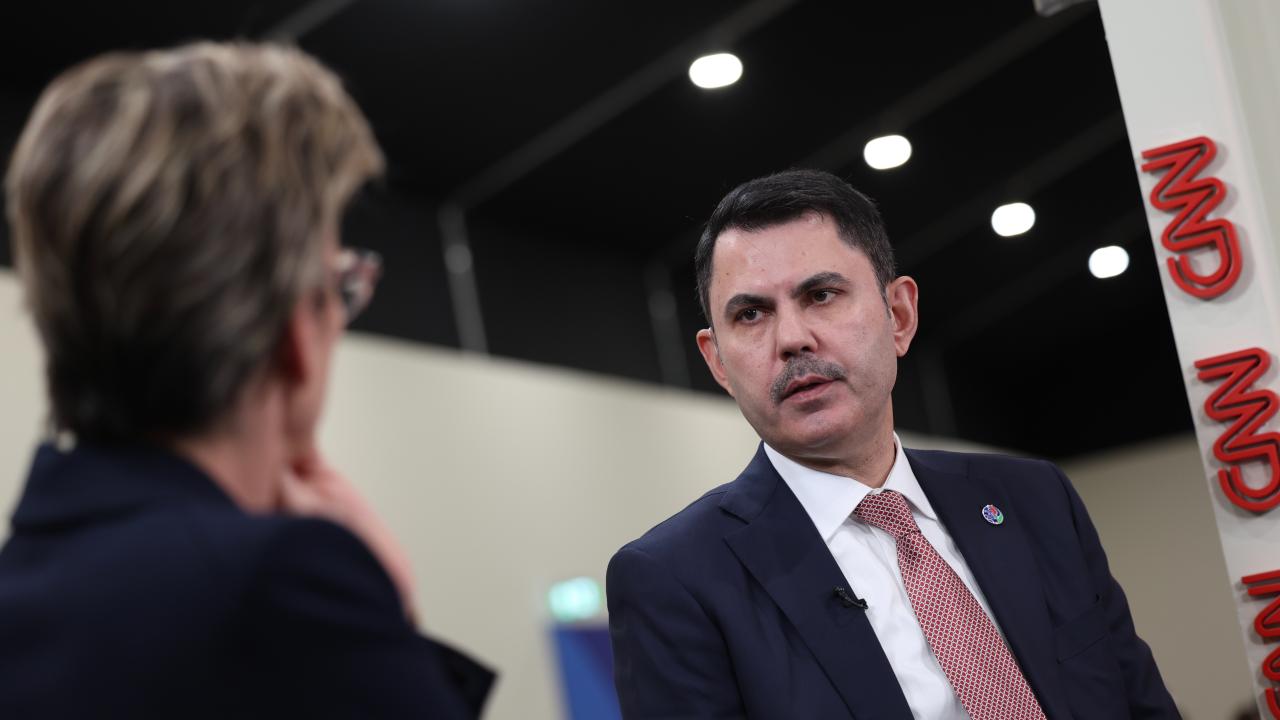
The 31st Conference of the Parties (COP31) to the UN Framework Convention on Climate Change (UNFCCC), currently being held in Antalya, has become the epicenter of global climate diplomacy. With press members from over 190 countries in attendance, the summit has brought the vision of COP31 President Murat Kurum, dubbed the 'COP of Implementation,' to the forefront of international discourse. In an interview with CNN International's veteran journalist Becky Anderson, Kurum expressed in clear terms that climate action is not merely a declaration of intent, but an economic and strategic necessity.
Kurum's statements provide a strategic roadmap aimed at closing the deep gap between the goals of the Paris Agreement and the current practices of nations on the ground. Hosted by Turkey, this summit serves as a reminder to the world that combating climate change is not just an environmental issue, but a critical lever for energy independence and geopolitical stability.
Background of the Development
COP31 is poised to go down in history as the symbol of the transition from the 'era of commitments' to the 'era of implementation.' In climate negotiations that have spanned years, the 2050 net-zero targets set by countries have often been hampered by obstacles related to financing and technology transfer. With COP31, Turkey aims to break this deadlock by emphasizing a 'fair and effective struggle,' thereby ensuring that the voices of developing nations are heard more clearly.
Drawing on the historical fact that countries that completed their industrialization race in the 1950s maintain their status as developed nations today, Kurum argues that the fight against climate change will define the economic competition of the next 50 years. In this context, COP31 is designed not only to reduce carbon emissions but also as a strategy to solidify the position of countries that invest in green technology within the global economy.
The summit in Antalya also confirms Turkey's increasing weight in climate diplomacy. Delegations and press members from over 190 countries are closely monitoring Turkey's role as a facilitator in this process. The 'COP of Implementation' concept represents an effort to establish a concrete timeline for budgeting, building technological infrastructure, and implementing legal regulations for goals that have previously remained on paper.
Expert and Industry Insights
Industry representatives and experts describe Murat Kurum's emphasis on 'energy independence' as the most rational justification for the fight against climate change. According to experts, the transition to renewable energy is not just an environmental preference, but a security strategy that minimizes geopolitical risks associated with reliance on fossil fuels.
Key insights from experts and industry representatives include:
- Integrating climate goals with economic growth will increase the sustainability of the green transition.
- Energy independence minimizes economic vulnerabilities by reducing a country's external reliance.
- Transparency in technology transfer and financing mechanisms will accelerate the participation of developing countries in the process.
- Encouraging the private sector to invest in green projects will alleviate the burden on public budgets.
- Countries that lead in the fight against climate change will gain the advantage of becoming future technology exporters.
These assessments prove that COP31 is not merely a diplomatic meeting, but a platform where global industrial policy is being reshaped. Experts emphasize that Kurum's statement that 'countries that lead will stand out' is a vision that will determine the economic winners of the next decade.
Economic and Social Implications
The economic implications of climate action span a wide range, from labor markets to foreign trade balances. As Murat Kurum noted, countries that adapt to the green transition will gain a competitive advantage in production and manufacturing sectors. This means not only environmental improvement but also the emergence of new job sectors and increased economic prosperity.
At the social level, measures taken against the devastating effects of climate change directly affect the quality of life for citizens in vital areas such as food security and the protection of water resources. Kurum's emphasis on 'leadership that makes its people happy' points to the importance of the social legitimacy of climate policies. Combating climate change is now positioned not just as an environmental policy, but as a policy of prosperity and security.
Market actors anticipate that the concrete decisions emerging from COP31 will directly influence the investment climate. Specifically, carbon taxes, green financing opportunities, and sustainable production standards are becoming top priorities in corporate strategic planning. Turkey's pioneering role in this process is paving the way for the integration of domestic industry into global green supply chains.
Future Projections and Outlook
The most critical question following COP31 remains how countries will translate their commitments into national legislation. Expectations are for the final texts signed at the end of the summit to contain binding mechanisms rather than just recommendations. Turkey's 'COP of Implementation' vision argues that these mechanisms must be verifiable and transparent.
In the coming period, concrete steps are expected to be taken regarding the transfer of climate finance to developing countries. Risks include uncertainties brought about by the global economic situation and the tendency of some countries to prioritize short-term economic interests over long-term climate goals. However, as Kurum emphasized, it is possible for countries that want to end this 'war' to turn these risks into opportunities by focusing on energy independence.
In conclusion, COP31 is considered a turning point in the fight against climate change. This new era, shaped under Turkey's hostship, will go down in history as tangible proof of the transition from 'words to action.' The world will determine the winners of the next 50 years by the determination and leadership they show today in the fight against climate change.
💬 Yorumlar 0
Henüz yorum yapılmamış. İlk yorumu siz yazın!



















