Critical Diplomatic Contact: Minister Fidan and Prime Minister Dbeibeh Meet in Istanbul
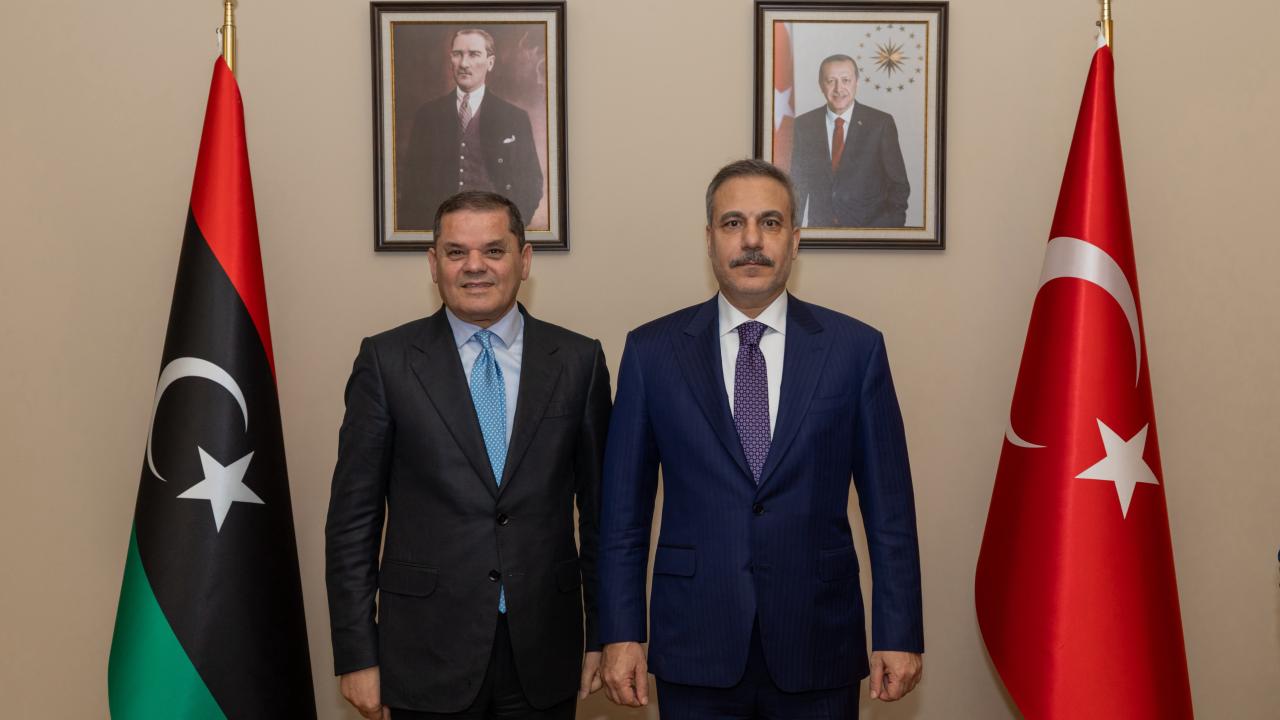
Turkish Foreign Minister Hakan Fidan held a critical meeting with the Prime Minister of the Libyan Government of National Unity, Abdulhamid Dbeibeh, in Istanbul. The discussion focused on strengthening strategic cooperation between the two nations and addressing the current political landscape in Libya. This high-level meeting is viewed as a significant step in Turkey's ongoing diplomatic efforts to ensure stability in Libya and protect the regional security architecture.
The meeting reaffirms Turkey's close dialogue with the legitimate government in Libya. Minister Fidan and Prime Minister Dbeibeh conducted a detailed review of potential joint actions to establish regional peace and outlined a roadmap for deepening bilateral relations across various sectors.
Background of the Development
Relations between Turkey and Libya reached a new milestone with the signing of the Memorandum of Understanding on Security and Military Cooperation in 2019. This process was shaped by the commitment to preserving Libya's territorial integrity and supporting its legitimate government. Turkey has long played an active role in facilitating a permanent ceasefire in Libya and ensuring the successful completion of the political transition process.
The Government of National Unity, led by Abdulhamid Dbeibeh, stands out as one of the primary actors representing Libya's political unity. Turkey aims to be a key partner in Libya's reconstruction and infrastructure projects by maintaining its relations with this government at both economic and political levels. This strategic partnership, which has persisted despite the complexities of Libya's internal political dynamics, remains a cornerstone of Turkey's regional policy.
The political process in Libya has faced numerous challenges, including the postponement of elections and debates over the legitimacy of interim governments. Throughout this period, Turkey has acted as a balancing force, continuing its diplomatic efforts to prevent the resurgence of conflict. The Istanbul meeting serves as a continuation of these vital efforts.
Expert and Industry Insights
International relations experts interpret this meeting as a critical move at a time when power balances in the region are being redefined. According to experts, Turkey's presence in Libya is based on a strategy that encompasses not only military support but also economic and human development.
Industry representatives and diplomatic observers summarize the implications of the meeting with the following points:
- Clarifying the roles that the Turkish construction sector will play in the reconstruction of Libya.
- Evaluating the potential for energy cooperation, particularly in the context of maritime jurisdiction areas.
- Continuing diplomatic support to remove obstacles to the electoral process in Libya.
- Maintaining security and defense industry cooperation to support the professionalization of the Libyan military.
- Improving Libya's relations with its neighbors to ensure regional stability.
Experts emphasize that Turkey's support for the legitimate government in Libya is not only a matter of protecting Libya's sovereign rights but also a strategic necessity for safeguarding geopolitical interests in the Mediterranean.
Economic and Social Implications
Economic relations between Turkey and Libya possess significant volume, particularly in the construction, energy, and trade sectors. Prime Minister Dbeibeh's visit to Turkey provides a major opportunity to refresh confidence in Turkish companies' projects in Libya and to evaluate new investment opportunities. The expertise of Turkish firms in meeting Libya's infrastructure needs is one of the most important factors strengthening the economic ties between the two countries.
From a social perspective, the historical and cultural bonds between the two peoples form the foundation of diplomatic relations. Turkey's humanitarian aid and educational support to Libya have created a positive perception of Turkey among the Libyan public, which facilitates the grounding of political discussions in social reality.
Regarding market stability, ensuring peace in Libya is critical for energy supply security in the region. The full operational capacity of Libya's oil and natural gas production could have a positive impact on global energy markets.
Future Projections and Outlook
In the coming period, it is expected that the memoranda signed between Turkey and Libya will yield more concrete results on the ground. Turkey's role as a mediator is anticipated to increase, particularly in setting a timeline for the electoral process in Libya and solidifying political unity.
In the official process, the goal is to increase the frequency of meetings between joint commissions and enhance technical-level cooperation. While risks such as Libya's internal political fragility and the competition of external actors in the region persist, Turkey has consistently demonstrated its diplomatic capacity to manage these challenges.
In conclusion, the meeting between Minister Fidan and Prime Minister Dbeibeh reaffirms Turkey's resolute stance in Libya and signals that bilateral relations will deepen further in the coming months. Turkey's vision for Libya aims not only for today but also for the future peace and prosperity of the entire region.
💬 Yorumlar 0
Henüz yorum yapılmamış. İlk yorumu siz yazın!



















