Cuba's 'War of All the People' Doctrine: New Defense Strategy
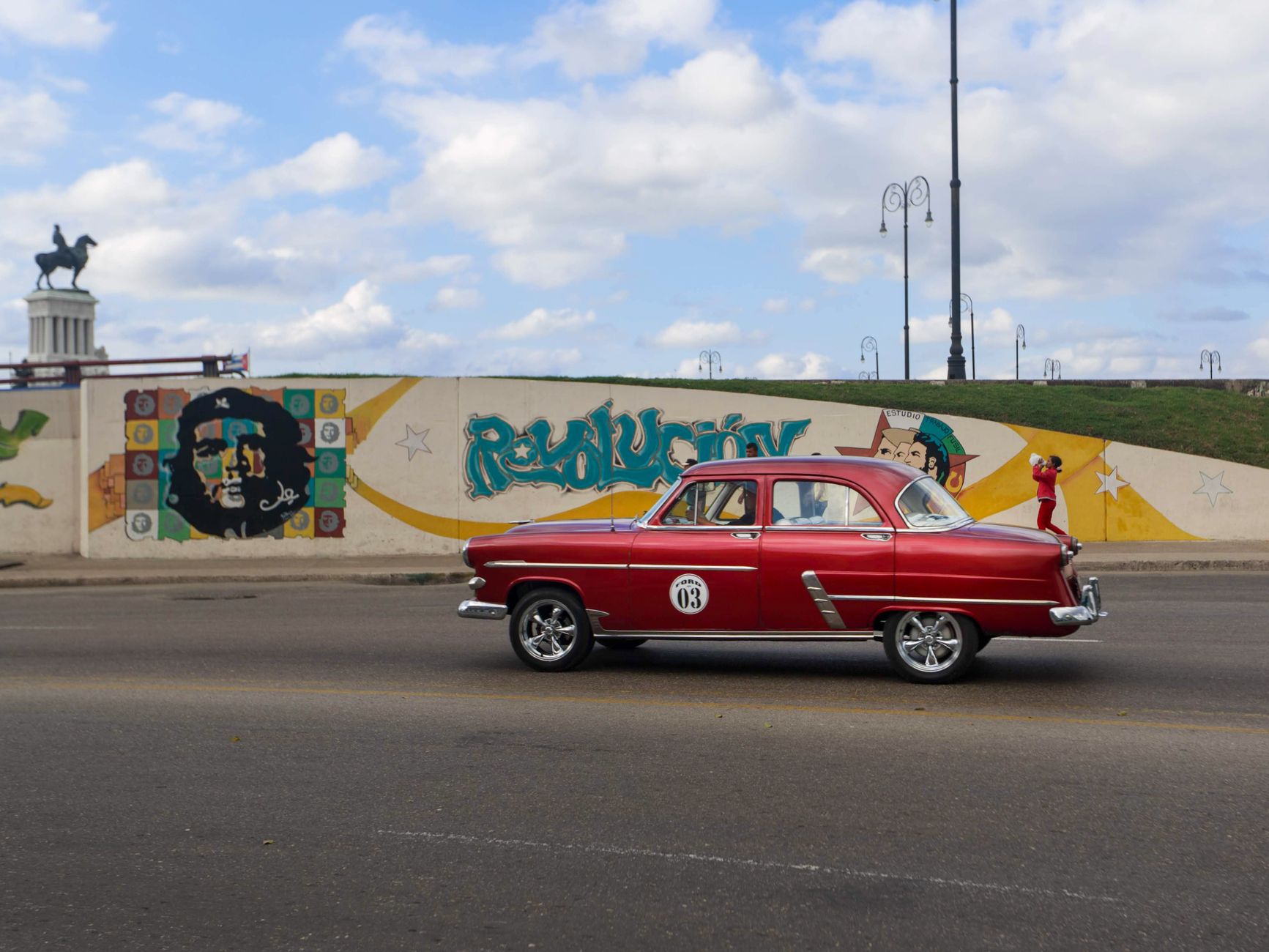
The Cuban government has undergone a radical shift in its national security strategy following the recent intensification of external pressure and severe economic sanctions. Led by President Miguel Diaz-Canel, the administration has decided to reactivate the 'War of All the People' doctrine, spreading defense mechanisms across every layer of society. This move aims to integrate the island's military and civil defense capacities to create a line of resistance against the economic blockade imposed by the United States.
Recent developments, particularly the new sanctions targeting the GAESA holding company and the ongoing energy crisis, have pushed the Havana administration to adopt more radical security measures. In this era, where international allies like Wang Yi emphasize the defense of Cuba's sovereignty, the socialization of the defense doctrine is seen as more than just military preparation; it is a political challenge. By centering the 'social mobilization' model against external threats, the country is declaring its determination to protect its sovereignty to the world.
This strategic transformation envisions the inclusion of civil society in defense processes not only in military terms but also in areas such as logistics, energy, and food security. The pressure policies pursued by the US, particularly through Venezuela, and the expanded sanctions against Cuba clearly reveal why Havana views this doctrine as a matter of survival.
Background of the Development
Cuba's defense doctrine has been built on the foundations of 'asymmetric resistance' since the history of the revolution. However, as of 2026, the claim that the embargoes imposed by the US have reached the dimensions of 'genocide' has sharpened the country's defense reflexes. The energy outages experienced in the first half of 2026 and the obstruction of UN aid have led the Cuban government to adopt a more closed and defensive stance toward the outside world.
When the historical process is examined, Cuba's relations with the US have always followed a tense course. However, the recent 'energy blockade' and the targeting of economic actors like GAESA have changed the scale of the crisis. Although Cuba confirmed that meetings were held with a US delegation, as emphasized by President Bermúdez, it is understood that these meetings were not a 'reconciliation' but merely an 'assessment of the situation.'
This new doctrine in 2026 is essentially an updated version of past 'civil defense' models with modern technology and civil organizations. Instead of relying solely on the regular army, Cuba is preparing for a potential foreign intervention or economic collapse scenario by turning civil defense committees and local production units into defense elements.
Expert and Industry Insights
Geopolitical analysts define this move by Cuba as the 'civilianization of defense.' According to experts, this doctrine is designed to keep the morale of a population struggling with economic crisis high and to use it as a unifying element against the external enemy.
- Defense experts state that this doctrine is a 'resilience' strategy against economic isolation rather than a military attack.
- Economists argue that sanctions against the GAESA holding have paralyzed the Cuban economy, making the inclusion of the public in defense a necessity.
- International relations experts express that the support of allies like China legitimizes this resilient stance of Cuba and creates a balancing element against the US.
Experts emphasize that whether this strategy of Cuba is sustainable in the long term depends on the economic welfare level of the public. If the energy and food crisis cannot be resolved, the 'War of All the People' doctrine could eventually turn into social unrest.
Economic and Social Implications
Economically, the increase in resources allocated by Cuba to defense means further straining an already limited budget. In an environment where children are losing their lives and basic needs cannot be met, a defense-oriented management style leads to the disruption of social services.
The effects on society are quite complex. While there is a rallying around the government with nationalist sentiments on one hand, there is also an increase in migration waves and discontent due to economic collapse on the other. While the 'War of All the People' doctrine imposes a duty on the public, it also serves to mask internal problems by presenting them with an 'enemy' figure.
For markets and foreign investors, Cuba is currently in a 'high-risk' zone. The expansion of US sanctions and the country's closed-off defense strategy make it almost impossible for foreign capital to enter the island.
Future Projections and Outlook
In the coming period, tensions between Cuba and the US are expected to escalate further. Especially if the US does not ease sanctions, it is predicted that Cuba will take more radical steps and deepen its defense doctrine even further.
It is certain that the Cuban government will seek new trade routes with allied countries to alleviate the social pressure created by the economic crisis. However, the 'War of All the People' doctrine will continue to act as a barrier that limits the country's capacity to open up to the world. Consequently, Cuba will attempt to continue its path with a closed, defense-oriented, and economically challenged model.
💬 Yorumlar 0
Henüz yorum yapılmamış. İlk yorumu siz yazın!



















