Customs Exemption Regulation in Maritime and Air Transport: A New Era
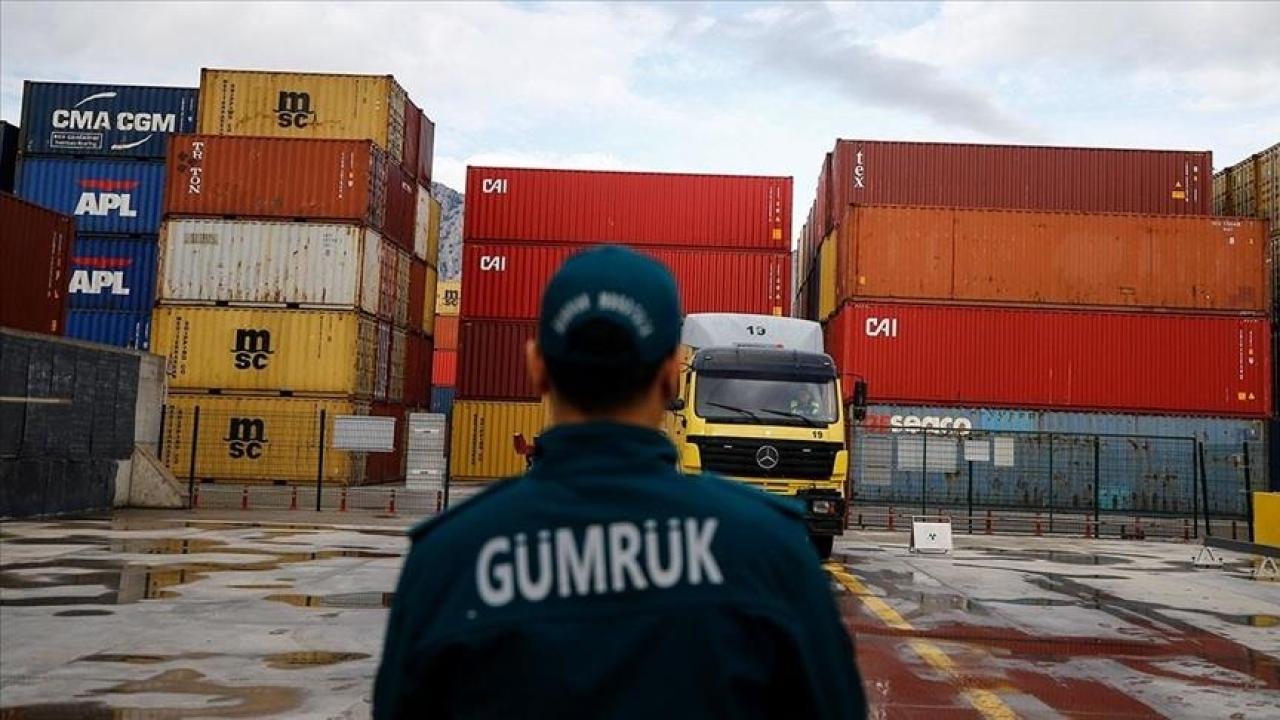
The Ministry of Trade has taken a strategic step to enhance Turkey's global competitiveness in the logistics and transport sector by updating customs exemption practices for maritime and air transport. Prepared in light of the provisions of Customs Law No. 4458 and relevant legislation, the new circular was shaped in response to the operational needs and demands of industry stakeholders. This regulation aims to resolve the complexity in customs processes for equipment used in aviation and maritime activities and to establish a structure compatible with the vision of digitalization.
With the new regulation, exemption codes used in customs procedures have been restructured based on criteria such as sector, type of goods, and authorized beneficiaries. Specifically, defining materials used in the maritime sector based on the Customs Tariff Statistical Position (GTİP), similar to the aviation sector, has ensured complete standardization in goods classification. These technical adjustments, integrated into the Ministry of Trade's BİLGE system, are considered a critical turning point for the digitalization of logistics processes and the reduction of bureaucracy.
Background of the Development
Due to its strategic geographical location, Turkey maintains its ambition to be a regional hub in both maritime and air transport. However, in previous years, different interpretations of customs legislation and deficiencies in classification could lead to operational delays, particularly in the import of equipment for the maritime sector. While Customs Law No. 4458 outlined the framework for such exemptions, it was a fact that the coding systems in practice struggled to meet current needs.
The aviation sector already had a stricter and more defined customs regime due to the influence of international standards (such as ICAO and IATA). The maritime sector, however, contained gray areas at times due to a wider range of products and different equipment needs. By combining these two sectors into a GTİP-based system, the Ministry aimed to both facilitate inspection and ensure that companies fill out their customs declarations more accurately.
This regulation is the fruit of long-standing consultation processes. Following meetings with industry representatives, customs brokers, and logistics firms, this technical infrastructure change, which will reduce operational costs and minimize waiting times at customs, had become inevitable. The updates in the BİLGE system ensured that this process found its counterpart not only on paper but also in the digital environment.
Expert and Industry Insights
Logistics and customs experts describe this regulation as "one of the most concrete steps taken for sectoral efficiency." According to experts, GTİP-based classification minimizes the margin of error for customs officers and brokers preparing declarations. This means that containers or aircraft parts stuck at customs can be released much faster.
Prominent evaluations from industry representatives are as follows:
- GTİP-based standardization prevents tax losses while accelerating the transactions of companies entitled to exemptions.
- Transparency increases as processes requiring manual intervention decrease thanks to digitalization.
- Eliminating legislative differences between the aviation and maritime sectors encourages intermodal transport.
- The Implementation Brochure published by the Ministry facilitates the compliance process for companies, preventing punitive sanctions.
- Correctly linking tax numbers with the system provides significant operational convenience for companies with authorized beneficiary status.
Experts emphasize that this regulation is not just a "code change" but also a modernization move that aligns Turkey's customs regime with the speed of international trade.
Economic and Social Implications
The economic implications of this regulation will be reflected positively in logistics costs and indirectly in consumer prices. Every hour spent at customs means additional costs for logistics firms. Thanks to standardized codes, the approval time for customs declarations will be shortened, which will increase operational circulation at ports and airports.
From a social perspective, the regulation creates a more predictable working environment for customs brokers and logistics employees. Simplifying complex legislation reduces the fear of making mistakes, thereby increasing professional efficiency in the sector. Furthermore, increased transparency plays a deterrent role in preventing informal transactions.
This move by the Ministry of Trade directly serves Turkey's vision of becoming a "logistics hub." In this period when global supply chains are being reshaped, the fast and error-free processing of customs procedures stands out as a factor that increases Turkey's attractiveness for foreign investors.
Future Projections and Outlook
In the coming period, companies are expected to increase their competence on the BİLGE system and ensure full compliance with the published Implementation Brochure. The Ministry is closely monitoring the operation of the system and keeping technical support units ready to resolve potential disruptions. It is critical for the success of the process that companies do not make mistakes when selecting appropriate exemption codes in customs declarations, comply with permit durations, and correctly link their tax numbers with the system.
In the future, such digitalization steps are expected to spread to other sectors. The Ministry of Trade's data-driven management approach may also pave the way for AI-supported inspection mechanisms in customs procedures. In summary, this regulation in maritime and air transport is an important part of the goal to create a modern and sustainable trade ecosystem that strengthens Turkey's foreign trade infrastructure.
💬 Yorumlar 0
Henüz yorum yapılmamış. İlk yorumu siz yazın!



















