Ecotourism Push in Turkey: 2.5 Billion Lira Contribution from 155 Sites
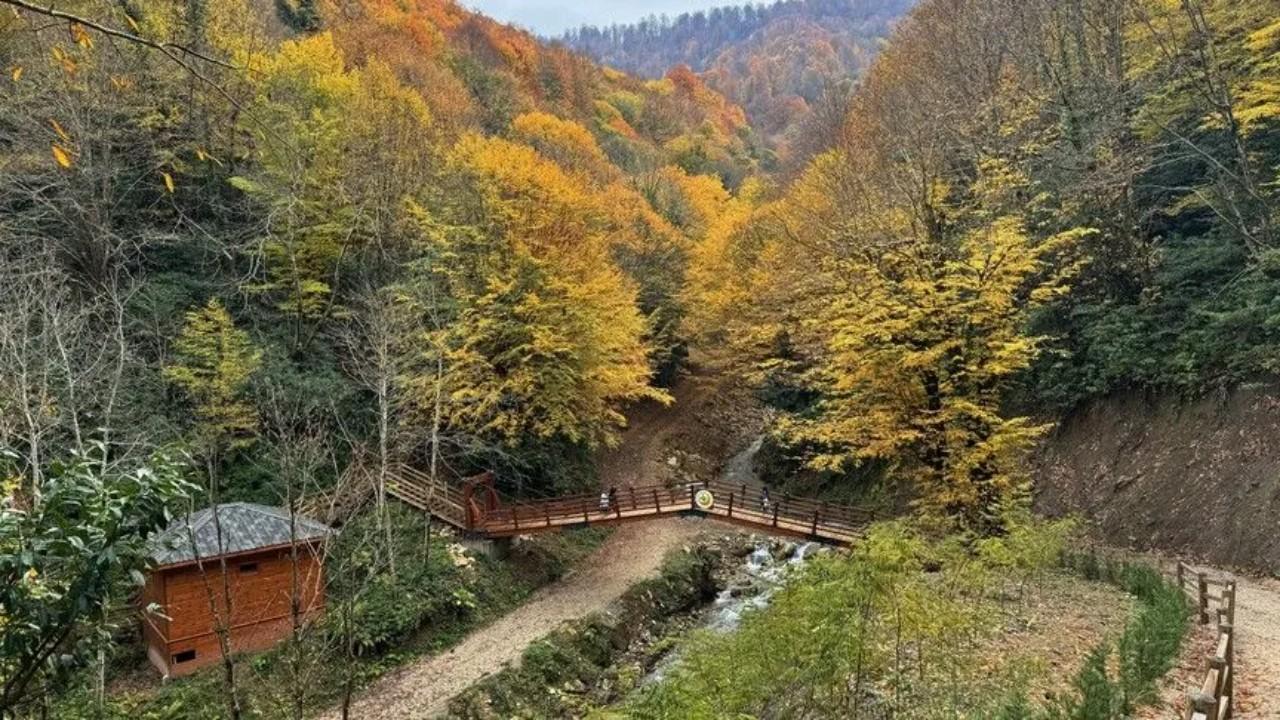
Turkey is undergoing a major transformation in ecotourism, driven by a vision of sustainable use of natural resources and support for rural development. As a result of strategic planning led by the General Directorate of Forestry (OGM), forest assets are being transformed from mere ecosystem components into tourism destinations that generate added value for the national economy. This journey, which began with just two locations in 2017, has reached 155 different sites today, hosting approximately 6 million visitors and creating an economic volume of 2.5 billion lira annually.
This development is not just a diversification of tourism but a comprehensive development model aimed at increasing the socio-economic welfare of forest villagers. Carried out under the slogans "Green Breath" and "The Forest is the Homeland," these efforts strengthen the bond between nature and humans while enabling the marketing of local products and the revitalization of regional tourism.
Background of the Development
This momentum in ecotourism was placed within an institutional framework with the "Ecotourism Action Plan" covering the years 2021-2025. OGM prioritized the construction of non-permanent structures (viewing terraces, wooden bridges, canopy paths, etc.) while balancing the protection of forests and bringing the public together with nature. This approach aims to provide a comfortable experience for visitors while preserving the ecological integrity of the forests.
Historically, forests were often viewed solely as a source of raw materials; today, this perspective has evolved into the concept of "ecosystem services." The initial steps taken in 2017 have turned into a massive network spanning 155 areas today. This process is a transformation project that includes not only physical infrastructure but also the integration of forest villagers into the tourism sector.
The targets of the 12th Development Plan (2024-2028) foresee taking this process further by increasing the number of ecotourism areas to 200. This goal aims to bring the natural beauties deep within Anatolia into the economy, moving beyond coastal tourism as part of Turkey's tourism diversification strategy.
Expert and Industry Insights
Industry representatives and tourism economists state that ecotourism is activating Turkey's "slow tourism" potential. According to experts, the success of these areas is directly related to the participation of local people and sustainable management models.
- Protecting natural resources and transferring tourism revenues to local people can reverse rural migration.
- Activities such as horseback riding, cycling, and hiking offered in ecotourism areas have the potential to spread tourism throughout the 12 months of the year.
- The preference for non-permanent structures ensures sustainability by minimizing the ecological footprint.
- Digital promotion campaigns increase the interest of the younger generation in nature tourism, creating a sustainable visitor profile.
- Wildlife observation units raise public awareness about the protection of biological diversity.
Experts emphasize that positioning these areas not only as resting points but also as educational centers will shape the environmental awareness of future generations.
Economic and Social Implications
The annual contribution of 2.5 billion lira is of vital importance for micro-economies, especially in rural areas. The sale of local products at exhibition stands allows forest villagers to earn direct income. Furthermore, the service sector that emerges around these areas supports local employment.
Socially, these areas have become "breathing points" for millions of people who want to escape the stress of city life. The combination of health, aesthetic, and cultural values increases visitor satisfaction while adding a "nature-friendly country" vision to Turkey's tourism image.
Future Projections and Outlook
In the coming period, with the achievement of the 200-site target within the framework of the 12th Development Plan, the number of visitors is expected to approach the 10 million mark. In this process, digitalized promotional activities and collaborations with tourism stakeholders will further increase the share of ecotourism in Turkey's tourism pie.
In the context of risk management, "carrying capacity" analyses must be meticulously conducted to ensure that increasing visitor density does not disrupt the ecological balance. Strengthening OGM's inspection mechanisms in this regard will be the key to the long-term success of ecotourism.
💬 Yorumlar 0
Henüz yorum yapılmamış. İlk yorumu siz yazın!



















