Environmental Revolution at COP31: 100 Tons of Waste Processed in 5 Days
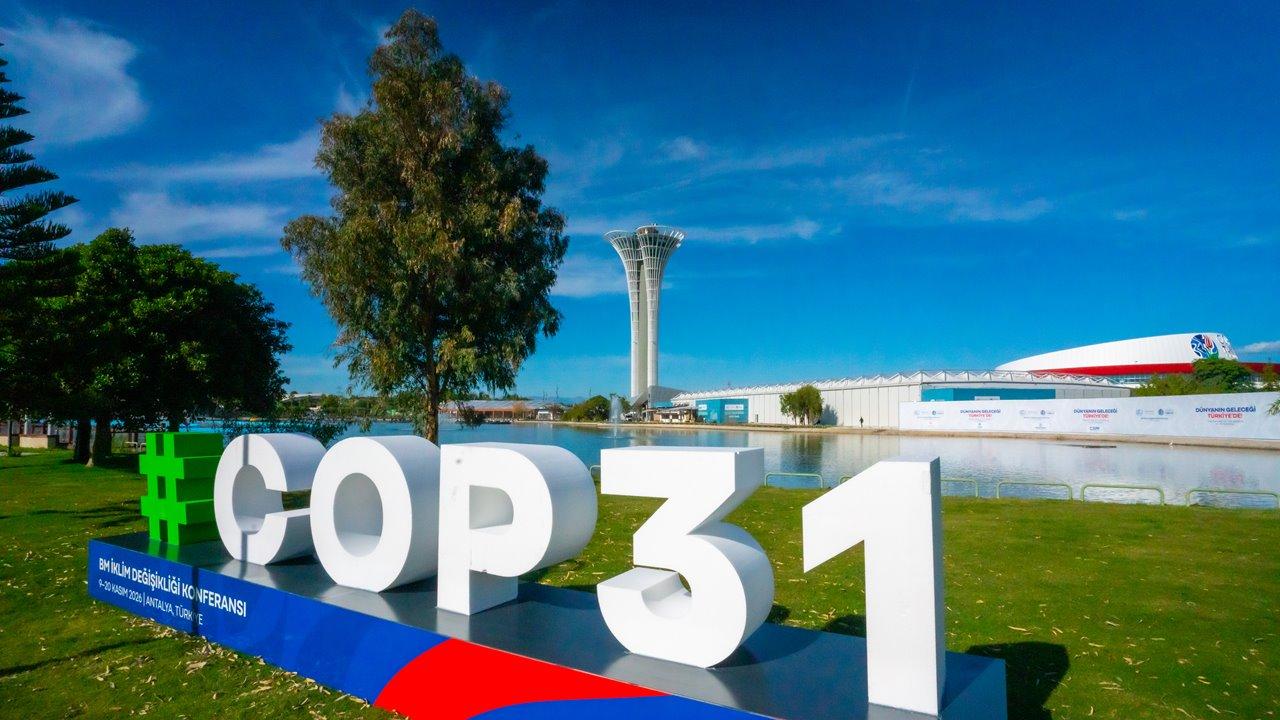
The COP31 Climate Summit, hosted in Antalya, is proving its commitment to combating global climate change not only through diplomatic tables but also through field applications. The 'Zero Waste Management System' implemented in the areas known as the Blue and Green Zones serves as a global model for environmental management. The volume of 100 tons of solid waste collected in just the first five days highlights the intensity and efficiency of the system. With 80% of the collected waste being diverted for recycling, the summit has set a high bar for sustainable event management.
Background of the Development
COP31 stands as one of the most significant events where Turkey has elevated its 'Zero Waste' vision to an international platform. Led by the Ministry of Environment, Urbanization and Climate Change, this system is integrated into the event's operational processes from the very beginning, distinguishing it from previous COP summits. As Mahmut Erdaş noted, this is the first time such a comprehensive and systematic application has been implemented within a COP venue.
The core of the system lies in the principle of source separation. The 600 indoor and outdoor waste units and 770-liter capacity containers positioned throughout the Blue and Green Zones form the logistical backbone of waste management. Operations, conducted between 22:00 and 06:00 using specialized electric vehicles, aim to minimize the environmental footprint without disrupting the summit's daily flow.
While waste management in past summits was often viewed as a 'cleaning' activity, at COP31, it has been transformed into a 'resource management' strategy. The conversion of organic waste into compost fertilizer or animal feed, and the processing of waste oils into biodiesel for generators, represent a tangible application of the circular economy model at the summit site.
Expert and Industry Insights
Industry representatives and experts state that the waste management model at COP31 establishes a 'gold standard' for large-scale international events. The conversion of waste oils into biodiesel to meet on-site energy needs is particularly noted as a revolutionary step in energy efficiency.
- Source separation of waste reduces the operational burden on recycling facilities.
- The use of biodiesel reduces dependence on fossil fuels, lowering carbon emissions.
- Compost technology prevents organic waste from reaching landfills, thereby mitigating methane gas emissions.
- Converting food waste into animal feed is a critical success in terms of social responsibility and waste management.
- The transparency of the system and the clear labeling structure increase public awareness.
Experts emphasize that this system should not be limited to COP31 but should be integrated into municipal activities in major cities and other international organizations. The compost production process, which uses reactor boilers without the need for bacteria or enzymes, is showcased as the clearest evidence of how technology can merge with eco-friendly solutions.
Economic and Social Implications
This application at COP31 creates not only environmental but also economic value. The waste oil collection process, involving nearly 120 businesses, represents a cycle where waste ceases to be a cost item and turns into an energy source. This increases the sustainability awareness of local businesses while optimizing waste management costs.
From a social perspective, the interest shown by visitors and observers in the system reinforces Turkey's role as an 'implementer' in climate diplomacy. As observer Elizabeth Anne Girling from the UK noted, the clarity of the labeling and separation processes involves participants in the journey. This serves as a reminder that the fight against climate change is not just an intergovernmental issue but one that must be embraced at individual and corporate levels.
The observation of this process by students and young professionals provides a living laboratory for the next generation of urban planners and environmental engineers. COP31 functions not only as a place where decisions are made but also as an educational center on how those decisions can be implemented.
Future Projections and Outlook
Following the conclusion of COP31, it is expected that this model will become a standard for other large-scale events in Turkey. The Ministry of Environment, Urbanization and Climate Change transforming the data gathered from this summit into a 'Zero Waste Event Guide' will be one of the most important steps taken in the coming period.
In terms of risk management, maintaining coordination between local authorities and licensed recycling firms is critical for the sustainability of the system. Expanding the capacity of these waste centers after COP31 and turning them into permanent facilities will significantly contribute to Antalya's vision of tourism and environmental management.
In conclusion, COP31 is making history not only with its decisions to combat climate change but also with the way it puts those decisions into practice. The successful management of 100 tons of waste proves that reaching the 'Zero Waste' goal is not a dream, but a reality achievable through proper planning and technology.
💬 Yorumlar 0
Henüz yorum yapılmamış. İlk yorumu siz yazın!



















