Foreign Minister Fidan on Yemen and Global Security: Putting an End to Military Presence Speculations
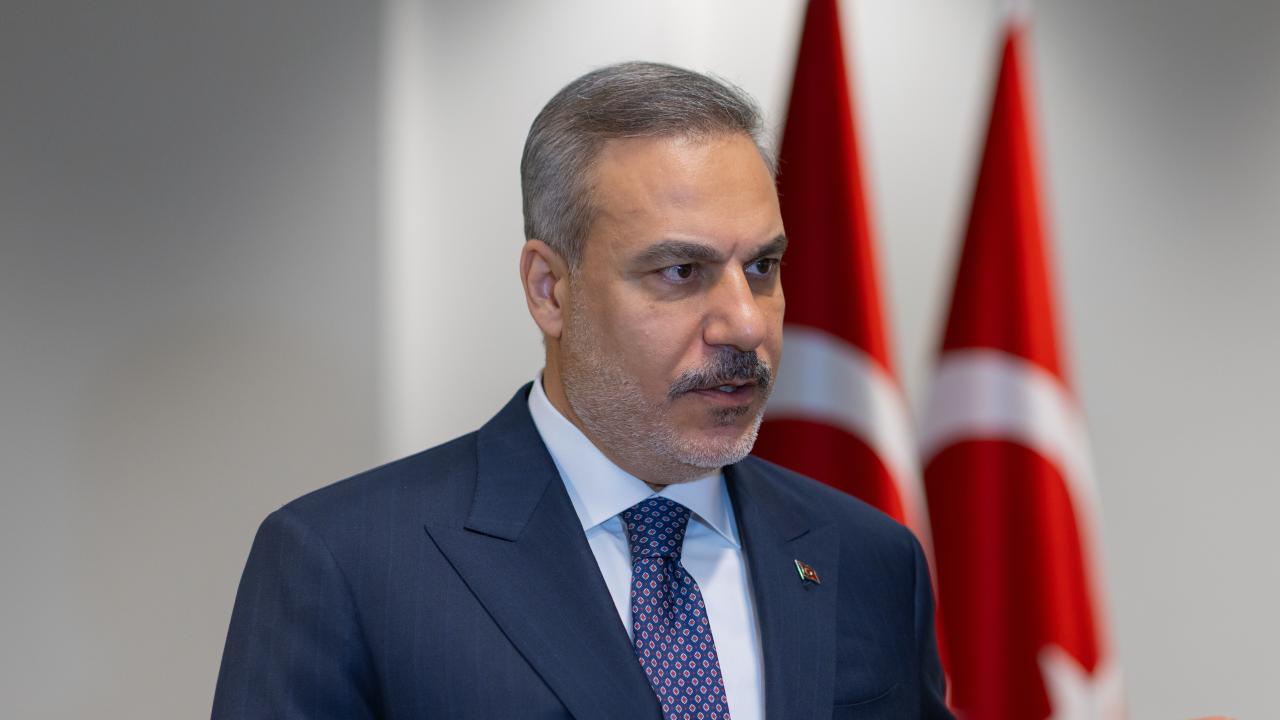
Foreign Minister Hakan Fidan provided critical assessments regarding the foreign policy agenda during a recent television program. Responding clearly to speculations about the presence of Turkish troops in Yemen, Minister Fidan emphasized that Turkey has not taken any decision in this direction. Fidan's statements cover not only a regional security issue but also the dysfunction of the global system established after World War II and the deep economic and political crises caused by proxy wars in the Middle East.
As highlighted by Minister Fidan, the structure of the current hegemonic system, which was built to protect the interests of 55 registered states, is experiencing a serious deadlock in the face of today's multipolar and complex geopolitical realities. This situation not only fuels regional conflicts but also evolves into a process that threatens global financial stability.
Background of the Development
The conflict in Yemen and military movements in the region have long been at the center of global powers and regional actors. The security of the Strait of Hormuz, in particular, is of vital importance for global energy supply and financial markets. As pointed out by Minister Fidan, the tension between the United States and Iran is not just a regional conflict but has become a parameter that determines whether the global financial crisis will deepen.
Historically, wars conducted through proxy elements have led to questioning the legitimacy of major powers. Fidan raised the question, "Is it America first? Or is it Israel first?", drawing attention to the crisis of legitimacy that such conflicts create within the domestic public opinion of major powers. In this process, Turkey assumes the role of a balancing actor that encourages dialogue between the parties and tries to prevent conflicts from worsening.
Steps taken to ensure regional stability require not only military but also diplomatic efforts. Turkey's cautious stance on Yemen should be read as a reflection of a foreign policy vision focused on diplomatic solutions rather than military engagements in the region.
Expert and Industry Insights
Industry experts and geopolitical analysts evaluate Minister Fidan's statements as part of Turkey's pursuit of "strategic autonomy." According to experts, Turkey's lack of military presence in Yemen is critical for preserving Ankara's mediation capacity in the region.
- The revision of the global hegemonic system has become inevitable.
- Proxy wars erode the credibility of major powers in the eyes of their citizens.
- The deadlock in the Strait of Hormuz has a direct impact on global inflation.
- Diplomatic negotiations are the only mechanism that prevents the spread of conflicts.
- Turkey's neutral and constructive stance plays a key role in resolving crises in the region.
Analysts state that negotiations on nuclear weapons and regional security architecture, even if they do not produce concrete results in the short term, are vital in preventing the escalation of tension. Fidan's "wait and see" approach emphasizes the importance of diplomatic patience and strategic anticipation.
Economic and Social Implications
The economic burden brought by war and lack of resolution has reached an unsustainable level for many countries today. As Fidan underlined, these devastating effects directly impact not only conflict zones but also global supply chains and energy prices. In particular, the uncertainty in the Strait of Hormuz has the potential to trigger a global financial crisis.
From a social perspective, wars entered by major powers under the pretext of protecting their own interests create serious questioning among the public. At this point, Turkey presents a vision of a more stable region both economically and socially by adopting a stance that prioritizes humanitarian values and regional peace.
Future Projections and Outlook
In the coming period, it is expected that diplomatic channels will be used more actively in resolving crises in Yemen and its surroundings. Turkey will continue its strategy of looking eye-to-eye with regional actors and negotiating problems. In this process, it is foreseen that political solution searches will come to the fore rather than military interventions.
Although risks persist, the "conflict prevention"-focused foreign policy pursued by Turkey contributes to keeping the tension in the region at a manageable level. It is estimated that official processes will be shaped according to the legitimacy quests of major powers within their own domestic public opinions.
In conclusion, the fact that Turkey has no plan to have troops in Yemen is the most concrete indicator of Ankara's commitment to regional peace and its determination regarding diplomatic solutions.
💬 Yorumlar 0
Henüz yorum yapılmamış. İlk yorumu siz yazın!



















