Foreign Trade Data Released: What is the Situation in September?
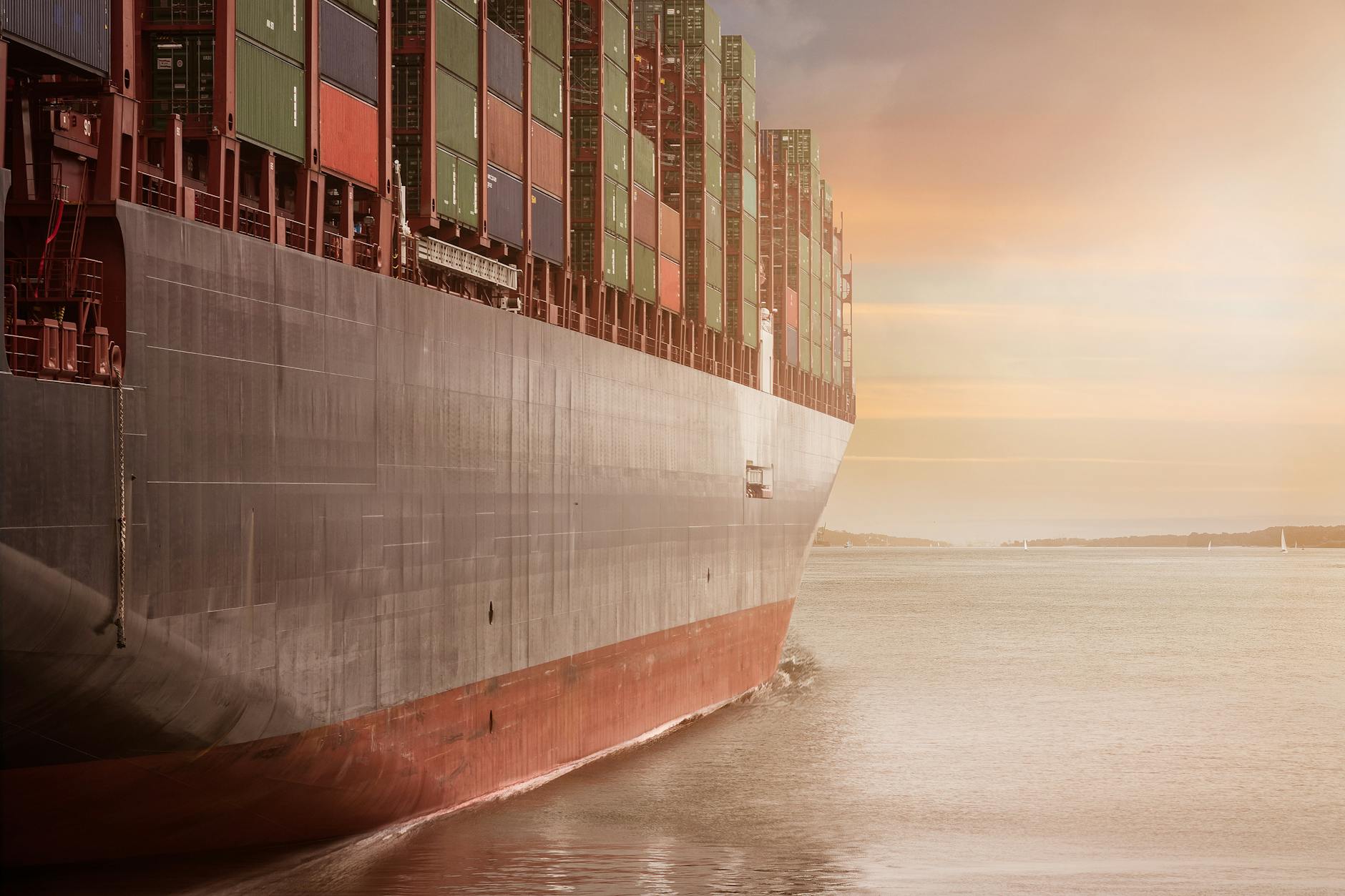
Foreign trade statistics, one of the most critical indicators of the Turkish economy, have been updated as of September 2026. Data shared simultaneously by the Turkish Statistical Institute (TurkStat) and the Ministry of Trade of the Republic of Türkiye clearly reveal the reflections of global market fluctuations and domestic production dynamics on foreign trade. In particular, the ratio of exports to imports and monthly changes in the foreign trade deficit play a decisive role in the economic management's year-end targets.
The September 2026 data confirms the general trend observed in the first nine months of the year. The volatile course observed in April, May, June, and July seems to have given way to a more stable export performance in September. In particular, the activity in industrial production and energy import items continues to be the main factors directly affecting the foreign trade balance. These data are not just statistics, but also the most concrete sources for analyzing Turkey's position in the global supply chain and its competitiveness.
In light of this data, the economic administration continues its strategy of managing the current account deficit and increasing exports with value-added products. While the September figures show that sectors such as automotive, machinery, and chemicals maintain their locomotive role in exports, it is observed that the pressure of energy costs continues on the import side. This situation is of great importance in understanding how Turkey's 'production-oriented growth' model is reflected in foreign trade figures.
Background of the Development
Since the beginning of 2026, foreign trade data has followed a course parallel to the global economic conjuncture. The process, which started with the data released by TurkStat in April, was supported by detailed reports from the Ministry of Trade in May and June. The indirect contribution of tourism revenues to the foreign trade balance, especially during the summer months, and seasonal effects on industrial production played an important role in the shaping of the data. The period from March to September was a time when Turkey tested its resilience in foreign trade.
Historically, 2026 is recorded as a year in which Turkey took serious steps to diversify its export markets and utilize its logistical advantages. The data published monthly by the Ministry of Trade clearly shows the impact of demand in markets, especially the European Union and the Middle East, on Turkey's export volume. These data, released every month, are not just a snapshot of the past, but also form the basis for projections for the coming months.
Statistics made accessible through the Data Portal offer a transparent source of information for researchers and investors. This chronological process, covering April, May, June, July, and September, provides a critical data set for understanding the structural transformation in Turkey's foreign trade. In particular, changes in the composition of imports are directly linked to Turkey's goals of reducing dependence on intermediate goods.
Expert and Industry Insights
Economic analysts emphasize the resilience of exports while evaluating the September 2026 data. Industry representatives state that despite the slowdown in global demand, Turkish exporters have survived with market diversification strategies. The common view of experts is that keeping the foreign trade deficit at manageable levels is vital for macroeconomic stability.
- Shifting exports to value-added products stands out as the most important factor that will narrow the foreign trade deficit.
- Price fluctuations in energy imports continue to be the biggest pressure factor on the foreign trade balance.
- Logistics and supply chain management are among the key elements that increase competitiveness.
Chambers of industry and exporters' associations argue that the export share of high-tech products should be increased. The September figures show that we are just at the beginning of this transformation but are moving in the right direction. Experts predict that digitalization and the green transformation will be reflected more in foreign trade data in the coming period.
Economic and Social Implications
Foreign trade data is not only a macroeconomic indicator but also has a direct impact on employment and consumption. The increase in exports supports employment by raising industrial capacity utilization rates. On the other hand, keeping imports under control helps to alleviate inflationary pressures by balancing the demand for foreign currency. The general welfare of society is directly dependent on the sustainability of this trade balance.
The business world uses the September data to revise its investment plans. While new capacity increases are expected in sectors where exports are concentrated, localization efforts are gaining momentum in import-dependent sectors. This situation makes Turkey's foreign trade structure more resilient. From a social perspective, the value added by exports allows for the revitalization of local economies and the spread of prosperity to the base.
Markets follow every released data closely and update their pricing behaviors. The narrowing of the foreign trade deficit increases confidence in the markets, while a cautious approach is adopted in case of expansion. The September data constitutes an important reference point for markets to revise their year-end expectations.
Future Projections and Outlook
In the coming period, Turkey's foreign trade strategy will continue to be shaped within the framework of the 'export-oriented growth' vision. In line with the calendar announced by the Ministry of Trade, the goal is to enter new markets and increase the share in existing markets. While global recession and sudden increases in energy prices are among the risk scenarios, opportunity scenarios are based on digital trade and the potential to become a logistics hub.
In the last quarter of the year, it is expected that exports will gain momentum and the foreign trade deficit will be brought to a more balanced level. Data from official institutions will continue to provide guidance in achieving these goals. Turkey appears determined to modernize its production infrastructure and encourage value-added exports to solidify its place in global trade.
💬 Yorumlar 0
Henüz yorum yapılmamış. İlk yorumu siz yazın!



















