Fracture in Global Trade: New Routes and Supply Chain Crisis
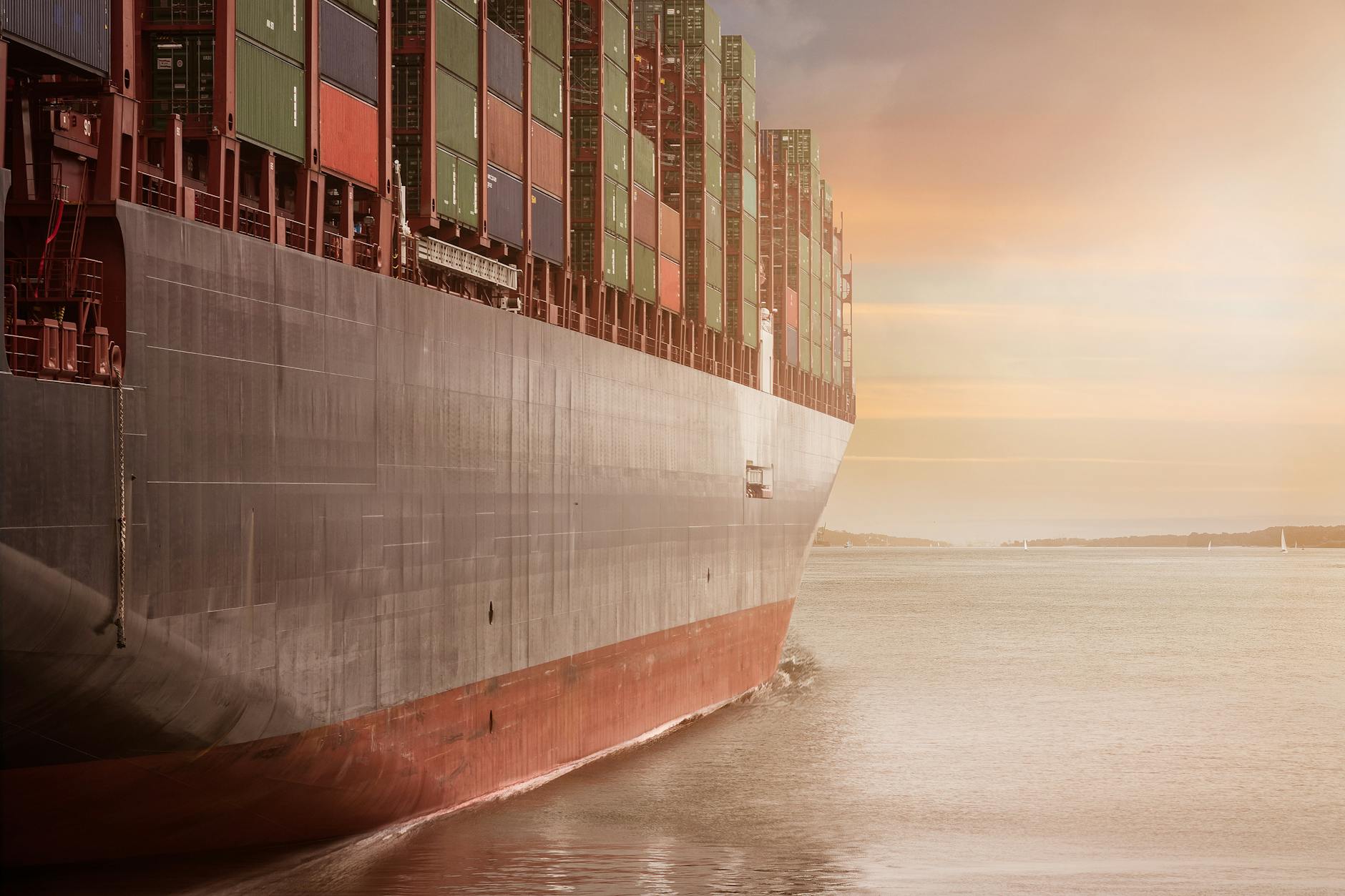
The global trade system is undergoing one of the most significant structural transformations in recent years. The warning issued by Foreign Minister Hakan Fidan at the TRT World Forum 2026, stating that "a maritime corridor could turn into a battlefield," is not merely a diplomatic statement but an expression of the concrete risks facing the world economy. Bottlenecks in trade routes have moved beyond logistical issues to become central to the national security strategies of nations.
The expectation that the Donald Trump administration will adopt a more protectionist stance in trade policies following the US midterm elections in November is increasing uncertainty in the markets. As the global economy searches for a new "immune system" for trade, and in an era where the slightest disruption in the supply chain can halt factories thousands of miles away, Turkey's vision of evolving from a "bridge" to a "central country" is gaining critical importance.
Background of the Development
Historically, global trade was shaped by an approach focused on efficiency and cost. However, the cost of the strategic miscalculations by the West regarding China since 2025 has been paid through the fragility of supply chains. Especially in the post-pandemic era, logistical crises forced countries to shift from "just-in-time" production models to those focused on "supply security."
The high customs duties and protectionist trade policies implemented by the US have fundamentally altered the flow of global trade. Data from the maritime sector indicates that routes are no longer determined solely by the shortest distance, but by the safest paths with the least political risk. When combined with geopolitical risks such as the escalating US-Iran tension in the Middle East, this proves how fragile the ground upon which global trade moves is.
In this process, Turkey is positioning itself not just as a transit point, but as a production and logistics hub. The concepts of "supplier diversification" and "near-shoring," which have been on the agenda of procurement leaders as of 2026, offer a major opportunity for Turkey to integrate its industrial capacity more deeply into global value chains.
Expert and Industry Insights
Economists and industry representatives emphasize the importance of flexible supply networks, referred to as the "immune system" of the new era of global trade. Experts state that for SMEs to survive in this process, they must improve their environmental performance and supply chain transparency.
- Disruptions in global trade routes create a butterfly effect that leads to the shutdown of production lines and empty shelves.
- Large corporations are now demanding not only price but also sustainability and data transparency from their suppliers.
- In periods of rising geopolitical risks, the security of maritime corridors has become the greatest test for the international economy.
Industry analysts state that if trade wars intensify after the US midterm elections, strategic production hubs like Turkey could emerge as "safe havens," provided that digitalization and logistics infrastructure investments are accelerated.
Economic and Social Implications
The direct impact of global trade wars is felt on consumer prices and employment. Cost increases in the supply chain are reflected in final product prices, triggering inflationary pressures. For Turkey, this necessitates the exploration of new routes in export markets.
For SMEs, the supply chain test is not just a matter of cost, but a struggle for survival. The environmental and social compliance criteria expected by large-scale companies from their suppliers indicate that small businesses must accelerate their digital transformation. This transformation could act as a lever to increase Turkey's industrial competitiveness in the long run.
At the social level, disruptions in the supply chain bring food and energy security to the agenda, along with the risk of empty shelves. As Minister Fidan emphasized, the security of maritime corridors has become a part of the daily quality of life for citizens, not just a matter of trade.
Future Projections and Outlook
In the coming period, the trend of "bloc formation" in global trade is expected to continue. In a process where the competition between the US and China will increase pressure on third countries, Turkey's goal of becoming a central country must be supported by a multi-dimensional foreign policy and a strong logistics infrastructure.
According to the official calendar, as we enter 2027, the digitalization of global trade and the standardization of technologies such as blockchain-based supply chain tracking are expected. By integrating these technologies into its industry, Turkey will maintain its potential to be a critical node in the new immune system of global trade.
💬 Yorumlar 0
Henüz yorum yapılmamış. İlk yorumu siz yazın!