Global Agricultural Support Hits Record High: The $950 Billion Milestone
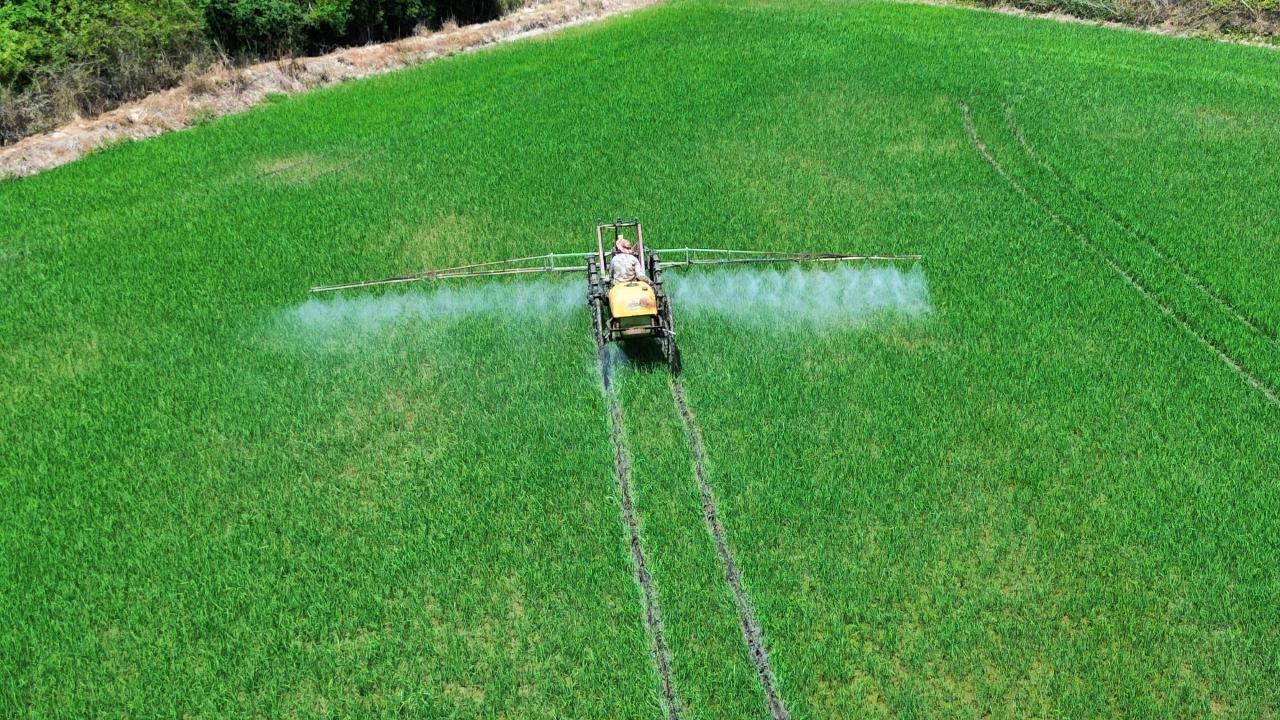
The Organization for Economic Cooperation and Development (OECD) has unveiled critical data regarding the future of global food security and agricultural economics in its comprehensive report, "Monitoring and Evaluation of Agricultural Policies." Covering 56 countries, including the newly added Egypt and Peru, this extensive study highlights the vulnerability of the agricultural sector to global shocks and the decisive role of public support in this process. The fact that global agricultural support has surpassed $950 billion in 2025, setting a new record, proves that the sector is entering a period where agricultural policies are being fundamentally reshaped.
The most striking data in the report is that the ratio of agricultural support to total production value has risen from 17.6% in 2023 to 19.1% in 2025. This increase signals a reversal of the long-standing downward trend in the ratio of support to production. The primary drivers of this global surge are the shift of emerging economies toward market price support and the increase in budget payments by OECD countries, which include significant extraordinary aid due to natural disasters.
Background of the Development
Agricultural support policies have been one of the most fundamental tools used since the post-World War II era to ensure food supply security and protect farmer incomes. However, in the 21st century, climate change, supply chain disruptions, and geopolitical tensions have fundamentally altered the nature of these support mechanisms. The OECD report should be read as a reflection of this historical transformation.
While agricultural support in the past focused more on increasing productivity and encouraging technological transformation, today a significant portion of these supports has shifted toward a structure that manipulates market prices or relies on direct budget transfers. The average annual support of $661 billion provided to individual farmers in the 2023-2025 period proves that governments view the agricultural sector as a "strategic defense area."
The inclusion of countries with significant agricultural production shares, such as Egypt and Peru, in the analysis expands the OECD's global perspective while confirming the growing influence of emerging economies on agricultural policies. The policies of these countries, which prioritize protecting domestic prices over global market prices, create a new source of pressure on global trade balances.
Expert and Industry Insights
Economic experts have serious reservations about whether the $950 billion support is being used efficiently. According to industry representatives, the fact that a large portion of the support relies on policies that alter market prices dulls the ability of farmers to produce based on market signals. Key expert assessments include:
- The artificial inflation of market prices by support mechanisms increases the cost of food access for consumers.
- The rising share of disaster relief in budgets demonstrates how vulnerable agricultural production is to climate change.
- Market price supports in emerging economies may slow down agricultural productivity growth in the long run.
- The increase in the ratio of support to production value indicates a deepening level of government intervention in the agricultural sector.
- To maintain sectoral flexibility, support should be redirected from direct production to R&D and sustainable agricultural technologies.
Industry representatives agree that while these supports act as a "shield," they must not become a "wall" that hinders innovation. Particularly in emerging economies, transforming support into productivity-enhancing investments will play a critical role in combating global food inflation.
Economic and Social Implications
The record level of agricultural support creates a dual impact on both producers and consumers. While these supports act as a buffer against rising input costs for producers, the situation is more complex for consumers. Protectionist policies implemented in many countries cause domestic prices to rise above international market levels.
This situation directly erodes the purchasing power of low-income consumers in particular. While the artificial rise in food prices negatively affects social welfare, it also places a significant burden on government budgets. The distortion of market balances carries the risk of disrupting the global trade flow of agricultural products in the long term.
Future Projections and Outlook
The biggest challenge for OECD countries and emerging economies in the coming period will be how to maintain "food security" while reducing the "market-distorting" effects of support. Experts anticipate that support mechanisms must evolve into a structure that is more transparent, targeted, and encourages sustainable agricultural practices.
In the coming years, the share of "green support" (incentives for eco-friendly agricultural practices) within total support is expected to increase as part of the fight against climate change. However, this transition process will be both costly and challenging, especially for emerging economies where agricultural production is intensive.
In conclusion, the $950 billion support volume reaffirms the central position of the agricultural sector in the global economy. However, if this scale is not supported by productivity and competitiveness, new imbalances in global agricultural markets appear inevitable.
💬 Yorumlar 0
Henüz yorum yapılmamış. İlk yorumu siz yazın!