Heavy Strike on Iran's Sirik: Trump's Move and Regional Chaos
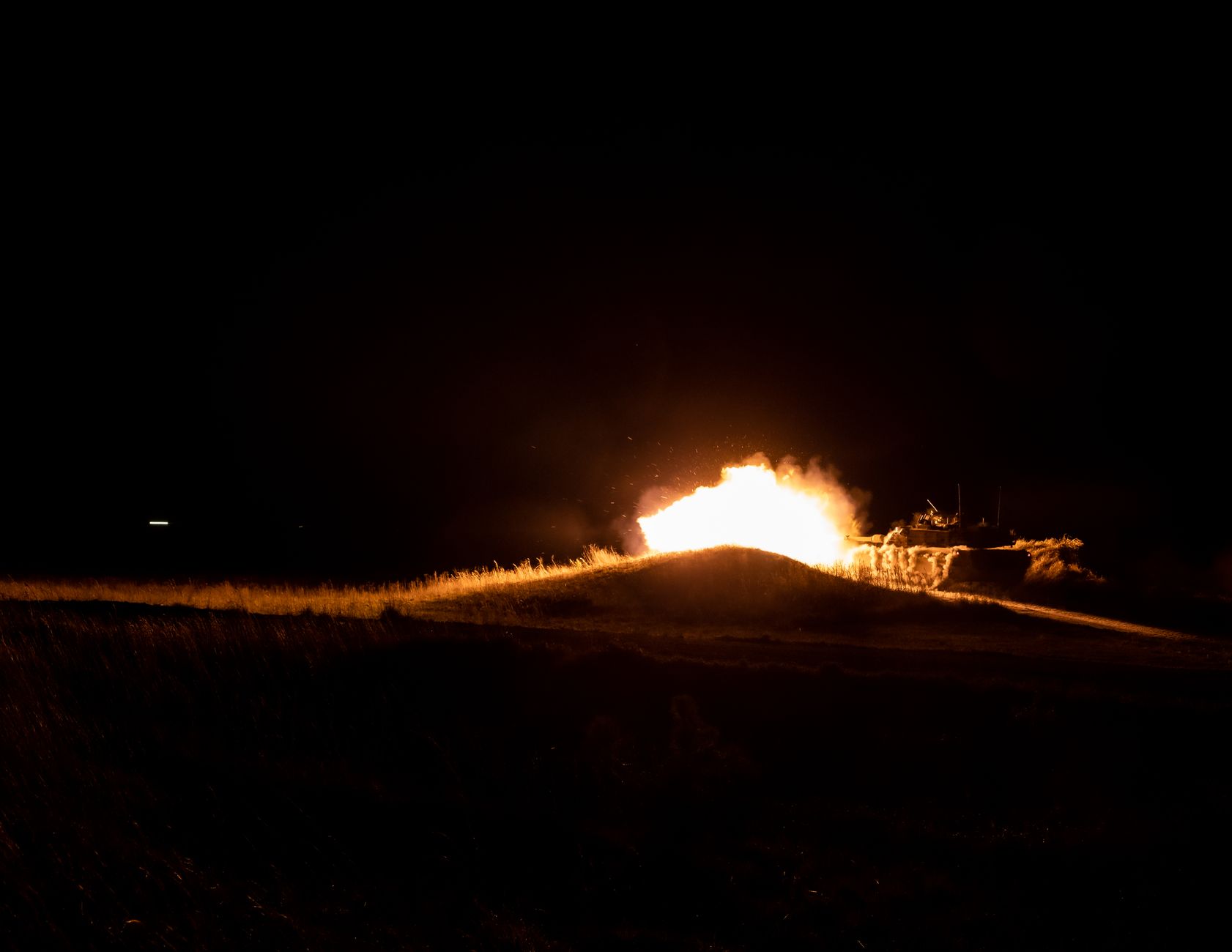
The Middle East was shaken on the evening of November 12, 2026, by breaking news of a major military escalation. Sirik, one of Iran's strategically vital coastal cities, became the target of a heavy military strike. According to reports from major news outlets like Habertürk and Yeni Şafak, the explosions and military activity in Sirik have pushed regional tensions to a point of no return. Statements from U.S. President Donald Trump immediately following the attack confirmed that the operation is part of a broader Washington-led strategy. This development is viewed not merely as a border skirmish but as a turning point that could fundamentally destabilize global energy corridors and regional balances.
The city of Sirik, located at the entrance to the Strait of Hormuz, holds critical military and logistical importance. Eyewitnesses and local sources reported that military installations and strategic points were targeted, although an official casualty count has yet to be released. However, the harsh tone used by Trump in his post-attack briefing suggests that the U.S. has moved from a phase of 'maximum pressure' to 'direct intervention' in its Iran policy. Military experts in the region emphasize that this strike is the culmination of months of preparation and intelligence gathering.
Initial reactions from Tehran indicate that the attack is being treated as a 'declaration of war.' Iranian state television announced that following the explosions in Sirik, surrounding areas such as Bandar Abbas and Qeshm Island have been placed on high alert. The international community is anxiously monitoring the sudden spike in oil prices and volatility in global markets. This strike stands as the most concrete and violent manifestation of the U.S.-Iran tension that has been escalating since early 2026.
Background of the Development
The path to the Sirik attack is the climax of a series of military maneuvers that began in July 2026. On July 9, 2026, the first U.S. air operations against Iran saw explosions in Bandar Abbas and Sirik, reported by Yeni Şafak under the headline 'U.S. Launches Attack on Iran.' By July 13, Anadolu Agency confirmed explosions on Qeshm Island and in Bandar Abbas, highlighting the widening geographical scope of the conflict. During this period, Iran granted the U.S. a 'few weeks' window to find a diplomatic exit, but the change in administration in Washington and Trump's hardening rhetoric derailed the process.
By October 2026, a report by CNN International clarified the scale of the crisis. Information that U.S. forces could launch major strikes against Iran within 96 hours if Trump decided to do so put all military units in the region on 'ready' status. This 96-hour warning period was a clear indicator that the logistical and strategic infrastructure for the Sirik strike was already in place. In the background, an intelligence war was also being waged. The news on November 3, 2026, regarding the examination of samples taken from Kaşif Kozinoğlu served as evidence that intelligence battles and cold cases were being reopened in the region.
Chronologically, while the first attacks in July were a form of 'pulse-checking,' the November 12 strike on Sirik stands out as an operation directly aimed at breaking Iran's defensive line. It appears the Trump administration has placed the military option at the forefront of its strategy to dismantle Iran's uranium enrichment program and its influence over regional proxy forces. In this process, diplomatic channels have completely closed, replaced by missiles and aircraft carriers.
Expert and Industry Insights
Military strategists and energy market analysts are examining the consequences of the Sirik strike from multiple dimensions. The security of the Strait of Hormuz, in particular, has become the greatest source of concern for the global economy. According to experts, the targeting of Sirik is no coincidence; it is one of the areas with the highest concentration of Iranian naval power and missile batteries. Evaluations from industry representatives and analysts converge on the following points:
- Strategic Location: Sirik is key to controlling the Strait of Hormuz. A strike here could be a preemptive move to neutralize Iran's threat to close the strait.
- Energy Markets: A conflict at a point where 20% of global oil supply passes has the potential to push oil prices above the $100 per barrel mark.
- Intelligence and Technology: The precision-guided munitions used and the synchronicity of cyberattacks show that all elements of modern warfare doctrine are in play.
- Regional Alliances: Trump's move is seen as part of a coordinated strategy with regional allies, including Israel and Gulf nations.
Economic experts warn that the disruption a conflict of this nature would cause in global supply chains could have more severe consequences than the pandemic era. Specifically, the tenfold increase in maritime shipping insurance premiums overnight will directly impact trade costs. Political analysts argue that while this move bolsters Trump's 'strong leader' image domestically, it opens the door to unpredictable chaos in foreign policy.
Economic and Social Implications
The economic repercussions of the strike were felt in global stock markets just minutes after the reports of explosions. Brent crude prices drew a sharp upward graph due to supply security concerns, while demand for safe havens like gold reached record levels. While the Iranian economy is already struggling under heavy sanctions, the destruction caused by direct military intervention has triggered hyperinflation and issues with access to basic food supplies. The beginning of civilian migration from Sirik and its surroundings is a harbinger of a regional refugee crisis.
From a social perspective, a rise in nationalist sentiment and a sense of unity against foreign intervention are being observed in Iranian society. However, the unrest brought by economic collapse could deepen social fractures in the long run. On the U.S. side, the burden of military spending on the budget and potential troop casualties are sparking debates in public opinion. The contradiction between Trump's 'America First' doctrine and direct military intervention is creating a new area of polarization among American voters.
Other countries in the region, particularly Turkey, Iraq, and the UAE, are conducting intense diplomatic efforts to prevent the conflict from spilling over their borders. The closure of trade routes directly threatens the export revenues of regional countries. Turkey's energy import routes and regional trade volume are among the items most affected by this tension. Meanwhile, disinformation and cyberattacks spreading on social media continue to fuel a climate of fear and tension between societies.
Future Projections and Outlook
In the coming period, it is projected that the conflict will not remain limited to Sirik but could expand toward Iran's interior and strategic nuclear facilities. This strike, following Trump's '96-hour' warning, may be the first wave of a much larger operation. Iran is expected to respond by using asymmetric warfare methods to target U.S. bases and allies in the region. This situation carries the risk of dragging the Middle East into a 'war of attrition' that could last for years.
On the international diplomacy front, the UN Security Council is expected to convene urgently, but the U.S. veto power and the support of the Russia-China axis for Iran make it difficult for a concrete solution to emerge. Among the future scenarios, the most optimistic is for the parties to return to the negotiating table before suffering heavy losses; however, the realities on the ground and Trump's determined stance weaken this possibility every day. The region is facing one of the greatest geopolitical tests of the 21st century.
💬 Yorumlar 0
Henüz yorum yapılmamış. İlk yorumu siz yazın!





