HGS Foreclosure Shock: Invisible Debt Crisis on e-Government Portal Grows
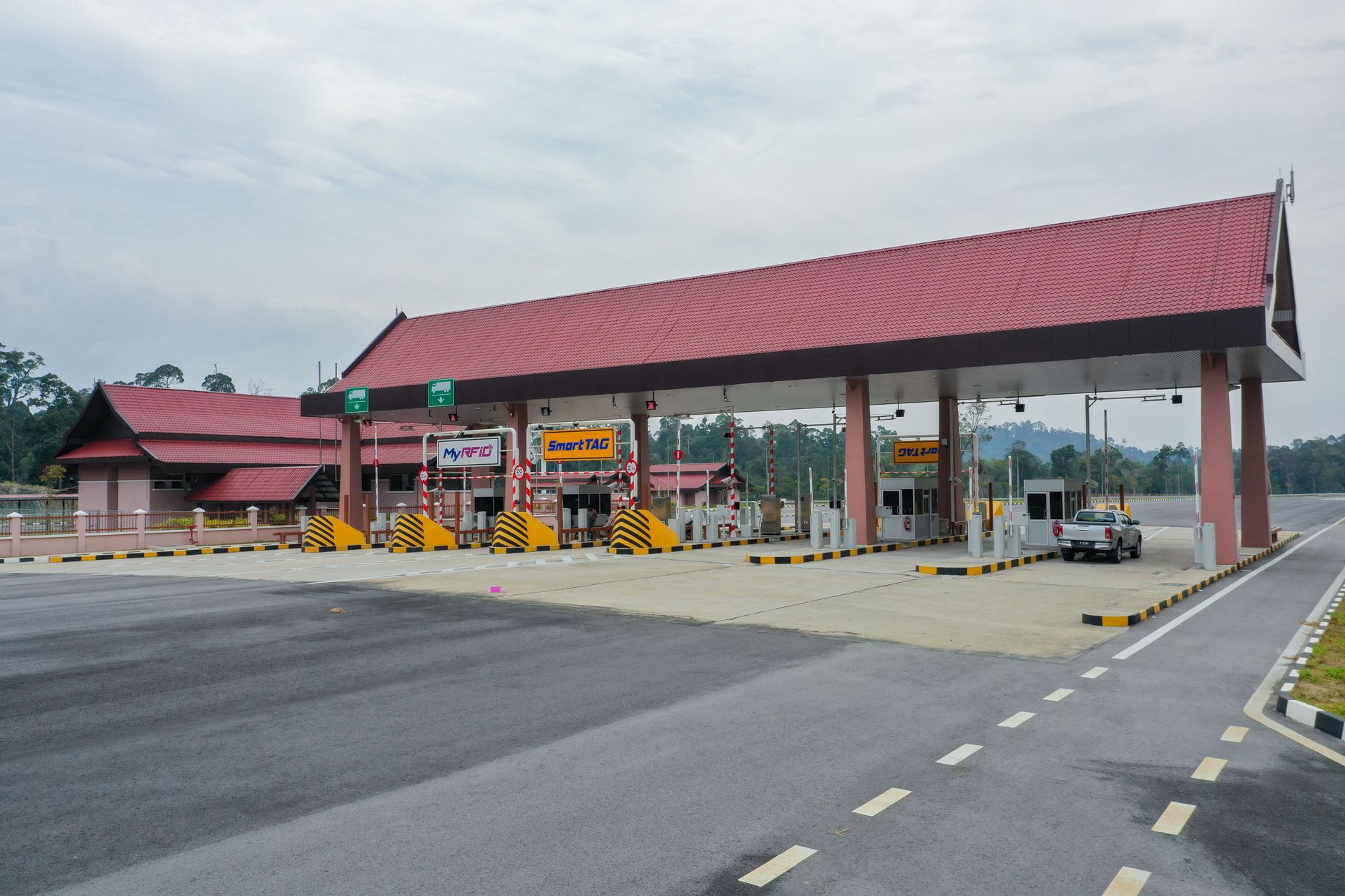
The crisis surrounding Fast Pass System (HGS) debts and penalties, which closely concerns millions of vehicle owners across Turkey, has become the most significant agenda item in recent days. A massive public outcry erupted as drivers, who saw no outstanding debt in their queries on the e-Devlet (e-Government) portal, were hit with foreclosure notices from law firms months later. Following the exponential increase in complaints, officials from the Ministry of Transport and Infrastructure and the General Directorate of Highways (KGM) held an urgent 'HGS Summit.' During this summit, data synchronization errors in the system and notification failures causing citizen grievances were thoroughly discussed.
The gravity of the situation deepens as debts only surface at the foreclosure stage. Citizens report that despite having a balance in their HGS accounts, they received no 'insufficient balance' warnings, and due to the delayed reflection of toll violations in the system, they are forced to pay legal fees and interest many times higher than the original amount. The lack of integration, especially between private highway operators and public systems, is causing a significant erosion of trust in the digital governance process. According to sources leaked from the Ministry, a radical revision of the technical infrastructure is planned to eliminate this data mismatch.
Background of the Development
The HGS system was implemented in Turkey to replace the OGS (Automatic Pass System) to accelerate highway and bridge crossings. However, the multi-headed architecture of the system—namely the use of different databases by PTT, KGM, and private highway operators (under Build-Operate-Transfer models)—brought synchronization problems over time. While similar complaints have occurred in the past, the massive increase in foreclosure files recently has elevated the issue to a 'national crisis.' Particularly as of 2026, the tightening of digital tracking systems has led to the bulk transfer of old debts to law firms.
One of the most controversial aspects of the process is the failure to provide proper debt notifications. Under normal circumstances, when a toll violation occurs, the vehicle owner should be notified via SMS or email and granted a 15-day legal payment period. However, field data shows that a large portion of these notifications either never arrive or remain 'unviewable' in the system. The fact that the debt appears as '0 TL' on e-Devlet while waiting as a file worth thousands of liras in the systems of law firms strengthens the citizens' claims that they are being 'trapped into foreclosure.'
A recent bombshell allegation involves the law firms handling these foreclosure files. The mention of the law firm belonging to the son of former Central Bank Governor Şahap Kavcıoğlu in these proceedings has opened the political and ethical dimensions of the issue to debate. Citizens have begun to question whether the system was left sluggish intentionally to provide a 'file flow' to specific law firms. This situation has been recorded not just as a technical failure but also as a problem of administrative transparency.
Expert and Industry Insights
Legal experts and consumer rights advocates emphasize that subjecting a debt that does not appear on e-Devlet to foreclosure is contrary to the 'rule of honesty.' According to experts, a citizen who sees a 'no debt' statement on the state's official portal has no obligation to track debt through another medium. Industry representatives state that the solution lies in merging all transition systems into a single central database in real-time.
- Consumer Confederation (TÜKONFED): "Citizens' trust in e-Devlet must not be shaken. Interest and legal fees cannot be demanded for a debt that does not appear there. Those victimized must file an objection lawsuit."
- IT Law Experts: "Data synchronization error is the fault of the administration. It is incompatible with the principle of a constitutional state for the administration to impose an additional financial burden (foreclosure costs) on the citizen due to its own fault."
- Transportation Analysts: "Private highway operators act independently of the PTT system to guarantee their own collections. This disconnection must be resolved urgently through a legal regulation."
Economic and Social Implications
From an economic perspective, HGS foreclosures have an unexpected and jarring impact on household budgets. A toll fee of 100 TL reaching between 2,000 TL and 5,000 TL with interest, penalties, and attorney fees due to lack of notification means a serious financial disaster for low and middle-income citizens. This situation also causes the judicial system to be clogged with thousands of small-scale foreclosure files, delaying actual major cases.
On the social dimension, trust in the state and digital systems is being damaged. While the 'e-Devlet gateway' is marketed as a platform where all kinds of official transactions are carried out securely, the fact that the data here is incomplete or incorrect damages the reputation of digital transformation. The rebellion of millions of drivers has turned into a massive wave of reaction on social media platforms. People are becoming hesitant to use highways, which will inevitably have indirect effects on domestic tourism and logistics costs.
Furthermore, this crisis, combined with other urban problems such as the inadequacy of parking lots and hospitals, lowers the general perception of quality of life. In many cities from Edirne to Istanbul, protests by citizens experiencing HGS-induced foreclosure shock have become part of social unrest. The government is expected to perform not just a technical but also a social repair at this point.
Future Projections and Outlook
Recent statements from the Ministry of Transport and Infrastructure indicate that a 'new era' will begin in HGS penalties. According to the planned regulation, no foreclosure proceedings can be initiated for any debt that does not appear on e-Devlet. Additionally, it will be mandatory to make debt notifications not only via SMS but also as an 'official notification' status through e-Devlet. In this way, the excuse of 'I didn't know' will be eliminated, and citizens will be prevented from facing unfair foreclosure proceedings.
In the coming period, it is aimed to integrate the databases of PTT and the General Directorate of Highways 100% with private highway companies. When this integration is achieved, the debt will fall into the e-Devlet system the moment a vehicle passes through the toll booth, and an instant warning will be sent if the balance is insufficient. Limiting the powers of law firms and reducing legal fees to reasonable levels in files caused by such 'system errors' are among the other options on the table. Citizens are now curiously waiting to see when these promises will be implemented and how past grievances will be redressed.
💬 Yorumlar 0
Henüz yorum yapılmamış. İlk yorumu siz yazın!



















