Historic Suspension in HGS Enforcements: Citizen-Centric New Regulation from Minister Uraloğlu
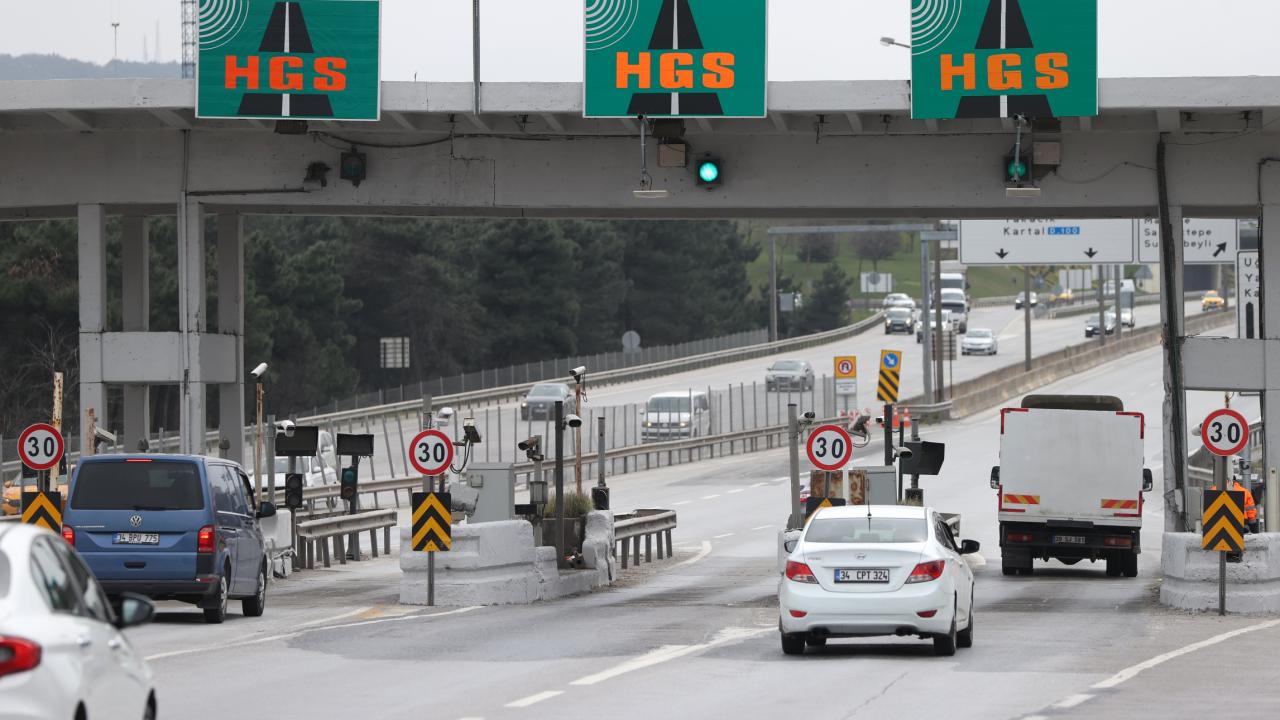
The Ministry of Transport and Infrastructure has made a landmark decision regarding Fast Pass System (HGS) toll violations, an issue that closely concerns millions of vehicle owners and has been a subject of intense debate recently. According to the official statement made by Minister Abdulkadir Uraloğlu, attorney and enforcement proceedings conducted by private highway companies, which have caused severe burdens on citizens' budgets, have been immediately suspended. This decision eases a heavy burden on the shoulders of millions of citizens traveling on highways while demonstrating once again how critical public oversight plays in the transport sector.
As a result of comprehensive technical and administrative examinations conducted by the Ministry, it was determined that these enforcement proceedings accounted for only a very small fraction—just 0.43 percent—of total passages. However, although this ratio appeared low, the magnitude of the grievances experienced and the complexity of the legal processes necessitated public intervention. In response to intensive complaints from citizens and operational bottlenecks in the field, the Ministry of Transport and Infrastructure brought together all relevant stakeholders and decided to implement a series of measures to establish a fair balance among the parties. In this context, criminal and legal processes applied to drivers violating toll rules aim to be made transparent.
One of the most striking aspects of the process is that the collection powers of private highway companies and the ways costs are reflected in this process will be reconsidered. Minister Uraloğlu clearly emphasized that attorney and enforcement practices carried out by companies due to over-due collections have been completely suspended, and no new enforcement proceedings will be initiated until the legal infrastructure of the system is thoroughly renewed. This development paves the way for a new era in terms of protecting drivers' rights and the functionality of regulatory mechanisms between highway operators and public authorities.
Background of the Development
The Fast Pass System (HGS) and Highway Investment and Operation are among the largest projects implemented by Turkey in its transport infrastructure over the past two decades. Highway and bridge projects built through the Public-Private Partnership (PPP) model have increased the country's logistical capacity while also bringing administrative and legal problems in their operational processes. Punitive processes that come into play, especially in cases of insufficient balance, toll violations, and failure to pay on time, have been the focus of increasing complaints in recent years. Enforcement proceedings initiated by private highway operating companies through their own legal offices or contracted attorneys resulted in attorney and enforcement costs being reflected at multiples of the original toll fee.
In these past processes, citizens were often unaware of enforcement proceedings initiated against them due to notifications not reaching their addresses, outdated contact information, and deficiencies in digital channels. This situation caused small toll debts to reach astronomical figures in a short time and led citizens to experience major grievances at enforcement offices. Non-governmental organizations, consumer associations, and media outlets repeatedly brought the issue to the agenda, calling for the elimination of this injustice in collection processes. Taking these intensive field data and social reactions into account, the Ministry of Transport and Infrastructure initiated a comprehensive investigation.
As a result of the investigations, it was seen that the 0.43 percent violation rate, corresponding to four-per-thousand of total passages, directly affected thousands of citizens within millions of transaction volumes, even though it seemed small proportionally. The Ministry determined that the problem was not merely an individual indebtedness issue, but also stemmed from digital infrastructure deficiencies, inadequate notification mechanisms, and a lack of oversight in private companies' collection policies. As a result of these evaluations, revising the existing system and re-regulating the legal legislation in favor of citizens was put on the table as an inevitable necessity.
Expert and Industry Insights
Transport economics experts and legal professionals evaluate this decision taken by the Ministry as an extremely positive and fair step. Experts underline that in Public-Private Partnership projects, the profit-oriented approaches of operating companies must be balanced with public rights. Industry representatives state that the new regulation will increase transparency in highway operations and accelerate digital integration. In particular, encouraging automatic payment orders and diversifying notification channels are shown as the most important technical moves to prevent similar crises in the future.
The main headings compiled from the joint evaluations of industry stakeholders and experts are as follows:
- The suspension of enforcement proceedings is a critical social intervention that instantly prevents the economic grievances of citizens.
- The abuse of flexibility in the collection processes of private highway companies has been prevented.
- Encouraging the issuance of automatic payment orders to credit cards will minimize violations caused by insufficient balances.
- Developing new and secure payment channels in compliance with the Personal Data Protection Law (KVKK) regulations is mandatory.
- Suspending enforcement proceedings until the legal legislation is completed is a requirement of the principle of continuity in the state and legal security.
Technology and payment systems experts also draw attention to the importance of modernizing the existing infrastructure. It is stated that providing instant notifications to drivers via SMS, e-Government, and mobile applications will ensure that debts are paid before reaching the enforcement stage. This situation will both increase companies' collection rates and prevent citizens from facing additional costs.
Economic and Social Implications
The decision to suspend HGS enforcements has created an immediate relief economically on low-income and middle-class citizens. Thousands of drivers whose debts ballooned due to high attorney and enforcement costs have practically taken a breath of fresh air thanks to this decision. This step has produced a major social impact in terms of ensuring social peace and strengthening the bond of trust between the state and the citizen. The principle of fair trade and consumer rights protection, which is one of the cornerstone pillars of economic stability, has been reaffirmed with this regulation.
On the other hand, for private highway operating companies, this decision also necessitates a new business model transformation. Companies will now have to generate their revenues not just through punitive and legal collections, but by increasing the efficiency of the system and offering user-friendly payment methods. This situation will lay the groundwork for a fairer and more competitive structure in the market. The effective operation of public authorities' regulatory and supervisory role in the market will set an example for the resolution of similar economic disputes in other sectors.
In the context of social reflections, it is seen that citizens' trust in the state has been reinforced. The positive atmosphere created in public opinion after the announcement of the decision has strengthened the perception that the state stands with its citizens. Minister Uraloğlu's statements, "The peace and rights of our citizen are our most fundamental responsibility," summarize the core philosophy of this social policy. In the upcoming period, similar inspections are expected to be generalized in other infrastructure services outside of transportation to ensure economic justice.
Future Projections and Outlook
The new process to be carried out under the coordination of the Ministry of Transport and Infrastructure is planned to encompass the complete renewal of both legal and technical infrastructure. Until the comprehensive legal legislation preparation studies regarding the specified issues are completed, no enforcement proceedings will be applied to any of our citizens. This means that a new legislative regulation will pass through parliament or related regulations will be updated. With the completion of the legislation, the collection procedures for highway tolls will be reshaped from top to bottom.
Technical innovations to be implemented in the future include the establishment of integrated systems that will make it easier for HGS users to link their accounts to credit cards. Furthermore, notification mechanisms regarding erroneous or violated passages will be diversified; digital communication channels will be used effectively alongside traditional notification methods. This new payment infrastructure, to be developed in strict compliance with personal data protection rules, will both increase security and elevate the user experience to the highest level.
In conclusion, these steps taken by the Ministry demonstrate that Turkey's transport and logistics ecosystem continues its citizen-centric transformation with determination. It is expected that the steps to be taken throughout the process will be closely monitored and the new legislation will be designed in a way that protects the rights of all stakeholders. In the upcoming calendar, the technical studies jointly carried out by private companies and public authority are anticipated to gain momentum and the system is expected to achieve a completely transparent structure.
💬 Yorumlar 0
Henüz yorum yapılmamış. İlk yorumu siz yazın!



















