Iran's European Target List: A New Front in the Global War?
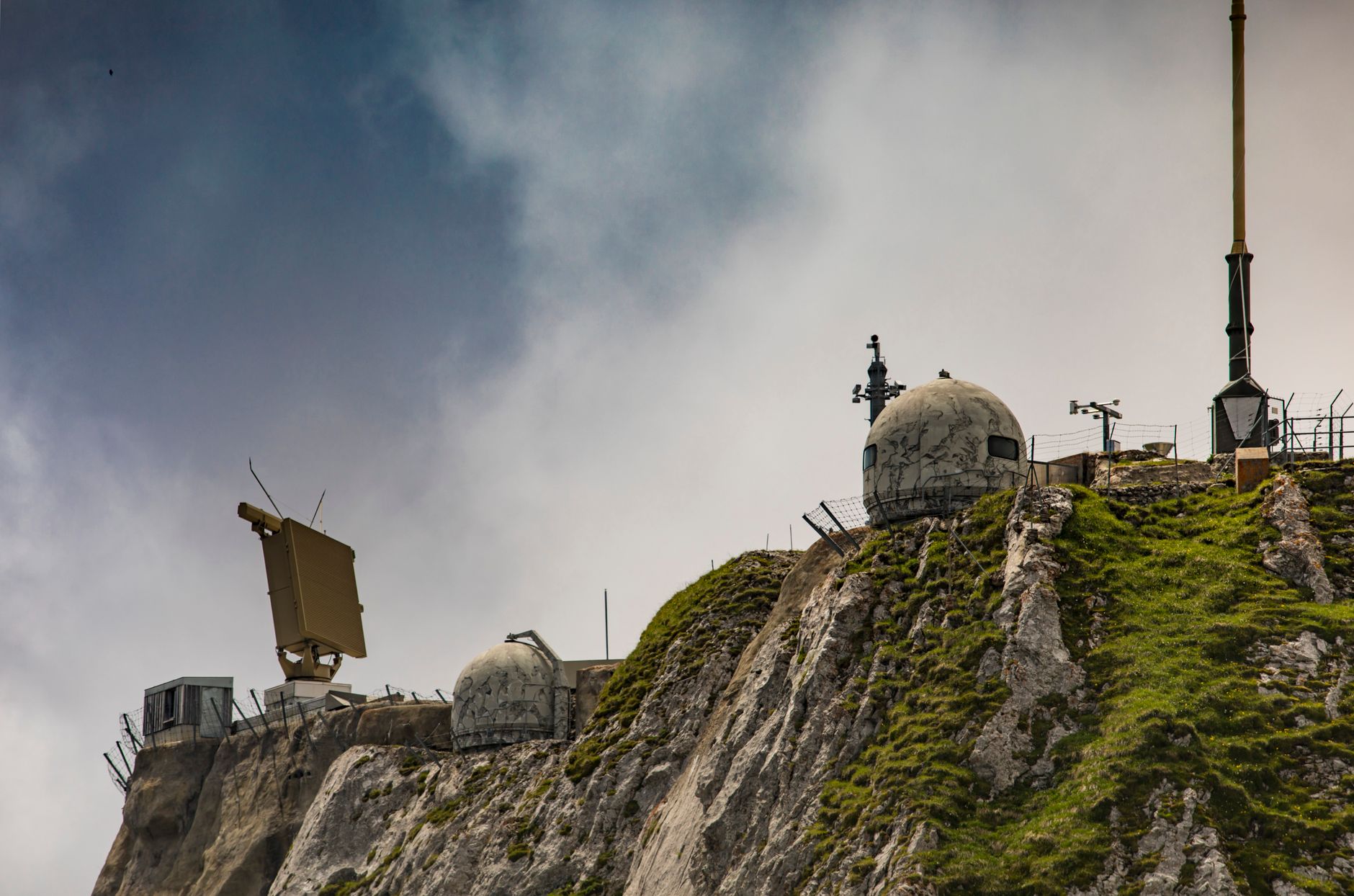
Global geopolitical balances are experiencing one of their most critical breaking points as of August 19, 2026. According to reports brought to the agenda by the Financial Times, which have caused a shockwave in the international community, the Tehran administration is seriously considering targeting US military assets on European soil in the event of an escalation in the conflict with the US. This strategic move indicates that the regional tension, which started in the Middle East and has been ongoing for years, carries the risk of spilling over into the European continent.
These allegations have turned into a concrete security crisis, going beyond being just an intelligence note, with countries like Greece moving their defense systems to strategic points such as Karpathos Island. While the UAE's decision to impose an indefinite trade embargo on Iran shows that the economic and logistical rift in the region is deepening, Tehran's tendency to view Europe as a 'battlefield' puts immense pressure on NATO and EU member states.
This situation signals a period of great uncertainty not only in terms of military threat but also in terms of global energy supply security and diplomatic relations. The targeting of US bases in the heart of Europe could trigger a domino effect that would require a complete redefinition of the security architecture established after World War II.
Background of the Development
This strategic threat by Iran towards Europe is actually the latest link in a series of 'proxy wars' that have been going on for a long time. The escalation of tension between the Trump administration and Tehran seems to have pushed Iran towards a more aggressive policy of deterrence. At the point where it feels its room for maneuver in the Middle East is narrowing, Tehran aims to increase the pressure on Washington by defining US bases in Europe as 'soft underbellies'.
From a historical perspective, this kind of rhetoric or planning by Iran towards targets in Europe has a seriousness not seen before. Details reflected in the British press reveal that Iran aims to shake Europe's internal security not only with a military attack but also with hybrid warfare methods. This has had a 'wake-up call' effect on the European Union's security policies.
Greece's relocation of its Patriot air defense systems to Karpathos Island proves that this threat is not just 'rhetoric' and that actors in the field are accelerating their preparations against a possible attack. The military mobilization in the region is the most concrete example showing how seriously the countries of the region take Iran's efforts to make Europe a direct party to the conflict.
Expert and Industry Insights
Security experts and geopolitical analysts describe this move by Iran as a 'strategic gamble'. According to experts, an attack by Tehran in Europe could lead to the activation of NATO's Article 5 and Iran facing an all-out military intervention. Aware of this risk, Tehran is still trying to force the US to the table by keeping this card on the table.
- International Relations Experts: Iran's threat to strike targets in Europe is a psychological warfare tactic aimed at questioning the US military presence in the Middle East.
- Defense Analysts: Greece's deployment of Patriots to Karpathos Island is the clearest indicator that the security line in the Eastern Mediterranean has entered Iran's range.
- Economic Observers: The UAE's trade embargo predicts that regional isolation will further strain the Iranian economy and that this situation may push Tehran to make more radical decisions.
Industry representatives warn that this tension could lead to serious price fluctuations in energy markets. In particular, Europe's energy supply security stands out as one of the items at greatest risk in such a conflict scenario.
Economic and Social Implications
These threats by Iran targeting Europe have triggered a search for 'safe havens' in global markets. While demand for assets such as gold and the dollar is increasing, there is anxiety in European stock markets. Investors are trying to calculate how supply chains and energy lines will be affected if the conflict spreads to Europe.
From a social perspective, the fear of the 'war spreading' in European societies is causing migration and security policies to be re-discussed. While citizens demand more security measures from their governments, political leaders are trying to both keep diplomatic channels with Iran open and make the public feel safe. This delicate balance also challenges political stability in Europe.
Economically, regional sanctions such as the UAE's embargo decision further narrow Iran's foreign trade. This feeds a vicious cycle that increases economic pressure within Iran and causes Tehran to adopt a more aggressive stance in foreign policy. Markets are closely following how long this tension will last and whether it will turn into a 'hot conflict'.
Future Projections and Outlook
In the coming period, European countries are expected to prepare a tougher sanctions package against Iran. NATO increasing its military presence in the region and maximizing intelligence sharing will be the first steps taken to prevent a possible attack. Tehran, on the other hand, will continue to use these threats as a bargaining chip.
Risk scenarios include Iran harassing targets in Europe through cyberattacks or proxy groups instead of a direct attack. This could lead to the conflict becoming 'low-intensity' but 'long-term'. As a result, the world is witnessing one of the most dangerous stages of a geopolitical chess game in the second half of 2026.
💬 Yorumlar 0
Henüz yorum yapılmamış. İlk yorumu siz yazın!



















