Istanbul Airports Lead Europe in Passenger Traffic and Growth
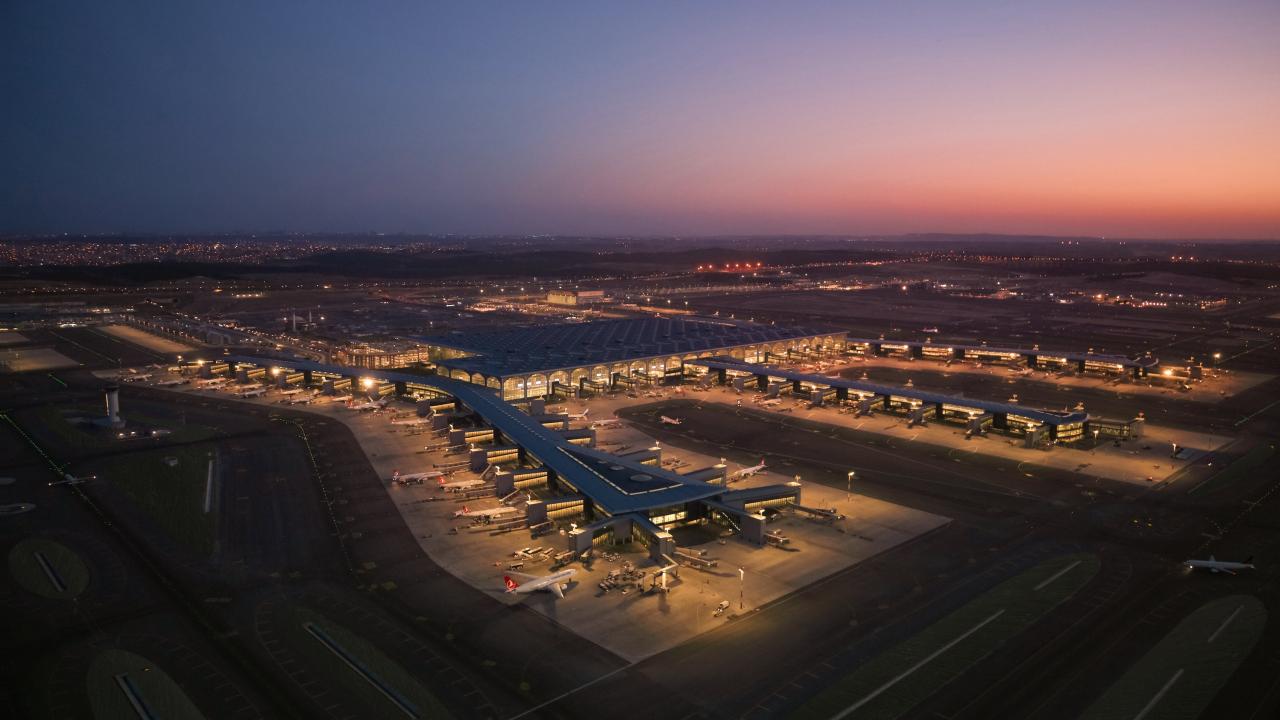
Airports Council International (ACI EUROPE), the voice of Europe's airports, has released its comprehensive traffic report covering September and the third quarter of the year. The data confirms Istanbul's strategic position in the global aviation network, with Istanbul Airport (IGA) maintaining its title as the busiest airport in Europe, serving 7.85 million passengers. With a 2.8 percent increase in passenger numbers compared to the same period last year, Istanbul Airport has solidified its lead, surpassing major competitors such as London Heathrow, Madrid, Paris Charles de Gaulle, and Amsterdam.
Istanbul's aviation success is not limited to its main hub. Istanbul Sabiha Gökçen International Airport has captured attention with its performance in the category of large airports with over 40 million passengers. Hosting 4.79 million passengers in September, Sabiha Gökçen recorded an 8.4 percent growth rate, making it the fastest-growing airport in Europe. These figures prove that Istanbul has become the heart of European aviation traffic, serving both as a vital transit hub and a primary destination.
Background of the Development
Istanbul's achievement in aviation is not a coincidence but the result of long-term infrastructure investments and a strategic geographic location. Since the opening of Istanbul Airport, Turkey has become the epicenter of global aviation routes. Especially in the post-pandemic era, thanks to its flexible operational structure and high capacity, Istanbul has managed to recover its passenger traffic rapidly, remaining less affected by crises such as staff shortages and strikes that have plagued other European hubs.
Historically, traditional European aviation centers like London, Paris, and Amsterdam have reached their capacity limits. Istanbul, with its modern infrastructure and expansion potential, is filling this void. ACI EUROPE data demonstrates that Istanbul is not merely a transit point but a main artery dominating Europe's tourism and trade traffic.
The growth of Sabiha Gökçen Airport proves the efficiency of Istanbul's dual-airport system. Located on the Asian side, this airport has become the preferred choice for low-cost carriers, acting as a critical lever that boosts Istanbul's total aviation capacity. The complementary nature of the two airports makes Istanbul the most resilient aviation market in Europe.
Expert and Industry Insights
Aviation industry analysts attribute Istanbul's success to its ability to serve as a 'strategic hub.' According to experts, Istanbul's position as a bridge between Asia, Europe, and Africa translates into operational efficiency for airlines. Industry representatives emphasize that Istanbul maintaining this momentum will create a multiplier effect on Turkey's tourism revenues and logistics capacity.
- Istanbul's geographic location optimizes flight times, leading to significant fuel savings.
- IGA's investments in digitalization enhance the passenger experience, increasing preference.
- Sabiha Gökçen's growth rate indicates the diversification of regional tourism.
- Capacity constraints in Europe are increasing Istanbul's share in the transit passenger market.
- This success in aviation supports Turkey's vision of becoming a global logistics hub.
Experts note that Istanbul performs above European standards not only in passenger numbers but also in operational excellence criteria. The success in traffic management, especially during peak periods, reinforces the confidence of international airlines in Istanbul.
Economic and Social Implications
The economic implications of these figures are extensive. The increase in passenger traffic at airports directly translates into foreign currency inflows for the tourism sector. Every passenger arriving in Istanbul boosts activity in the hospitality, food and beverage, and retail sectors, stimulating the local economy. Furthermore, this growth in the aviation sector provides direct and indirect employment opportunities for thousands of people.
From a social perspective, Istanbul becoming a 'global meeting point' accelerates the city's cultural and economic integration. The frequency of international events, congresses, and business meetings in Istanbul is directly linked to the high connectivity provided by its airports.
In terms of market dynamics, this superiority Istanbul has established over its European rivals increases Turkey's bargaining power in the aviation sector. The desire of airlines to add more flights to Istanbul increases competition, providing more options and accessibility for passengers.
Future Projections and Outlook
Istanbul is expected to maintain its leadership in aviation in the coming period. The addition of new flight routes and capacity expansion projects at existing airports indicate that this growth will be sustainable. While global economic fluctuations and fuel prices remain risk factors, Istanbul's operational flexibility minimizes these risks.
Official processes and investments are planned to ensure Istanbul remains at the top of Europe in 2025 and beyond. In particular, the full-capacity operation of Sabiha Gökçen's second runway and IGA's expansion projects will carry Istanbul's total passenger capacity to even higher levels.
In conclusion, Istanbul has become more than just a transit point; it has evolved into one of Europe's most important destinations. This success will continue to be one of the most significant factors strengthening Turkey's position in the global economy.
💬 Yorumlar 0
Henüz yorum yapılmamış. İlk yorumu siz yazın!



















