Jesus' Temple of Miracles Discovered: Historic Find
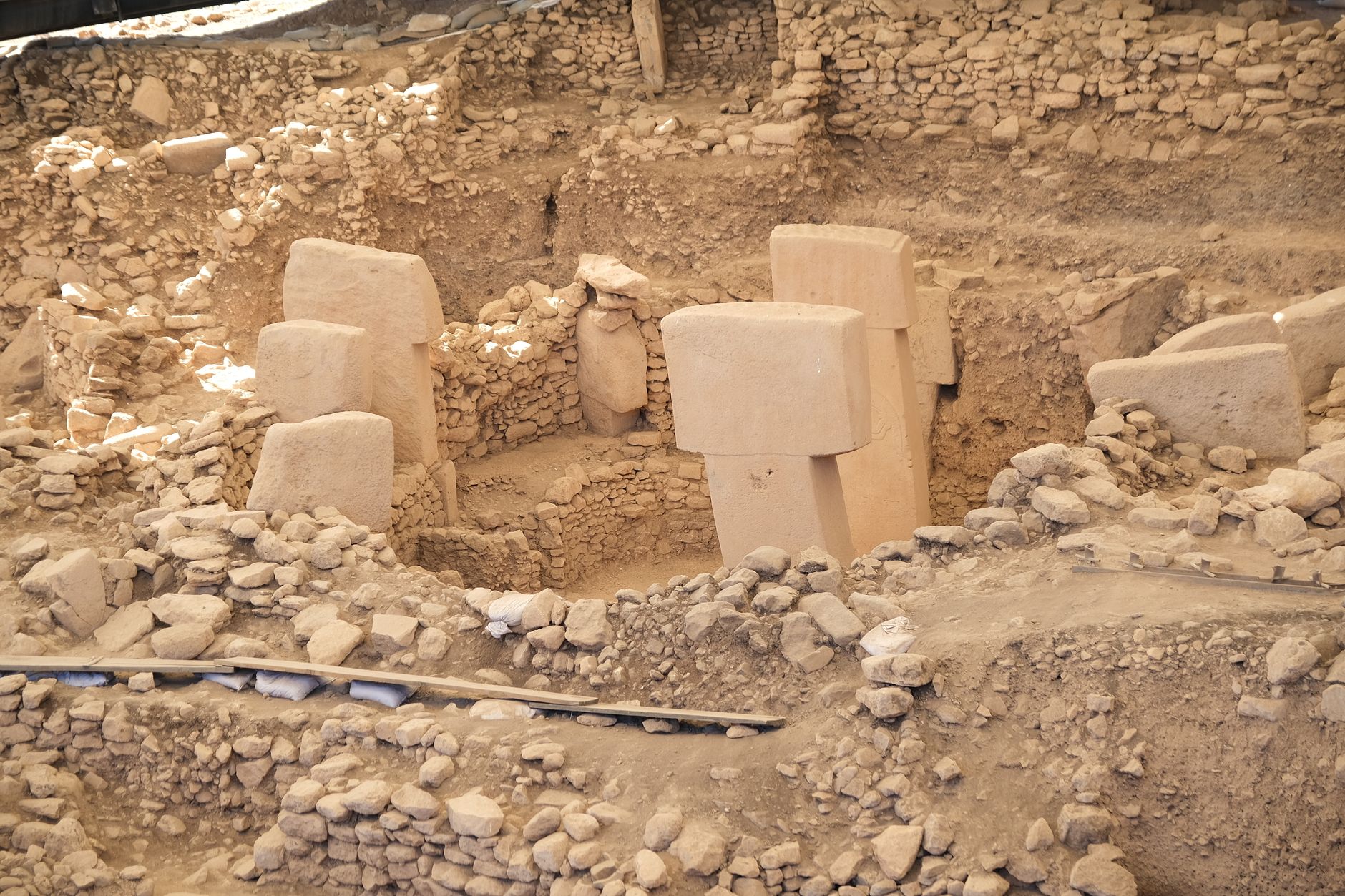
The world of archaeology is currently shaken by one of the most striking reports in recent times. As a result of long-term research and geological surveys around the Sea of Galilee, the lost temple and city where Jesus is believed to have performed his miracles have finally been unearthed. This discovery holds not only religious significance but also provides revolutionary data on the social and religious structure of the region during the ancient period.
These findings became concrete with the excavation work that gained momentum in September 2026. Experts state that the architectural structure of the temple reflects the interaction between the local belief systems of that era and the teachings of Jesus. This discovery appears poised to rewrite the archaeological literature of the region.
This development directly impacts not only historians but also regional tourism and cultural heritage. The location of the temple parallels the rare phenomena in the Sea of Galilee where Jesus is said to have performed his miracles. According to sources like Arkeofili, the effects of these phenomena around the temple have sparked a new debate on grounding miraculous narratives in a scientific framework.
Background of the Development
When examining the historical process, it is known that settlements around the Sea of Galilee have been a strategic and religious center since ancient times. Reports from 2014, such as those in Hürriyet, mentioned that walks and commemorative events were held regarding the region bearing the traces of Jesus. However, physical evidence of these traces was quite limited at that time.
Years of research took a more concrete form by 2024. As reported by sources like Odatv and Arkeofili, the discovery of the temple was made possible by combining geological and archaeological data in the region. The sensitivity shown by Turkey regarding the protection and study of historical sites like Kariye has also allowed for deeper analysis of such international archaeological discoveries.
The finding of the lost city means not only the discovery of a building complex but also the illumination of a 2000-year-old mystery. Archaeologists state that the stones and architectural techniques used in the construction of the temple reflect the local craftsmanship skills of that period and provide clues about the economic prosperity of the region at the time.
Expert and Industry Insights
Experts summarize the effects of the temple's discovery on religious tourism as follows:
- Archaeologists emphasize that the temple's architectural structure is one of the rare examples combining local architecture with Roman influence during the time of Jesus.
- Historians state that this discovery strengthens the spatial reality of narratives regarding Jesus' miracles and adds a new dimension to academic debates.
- Tourism industry representatives express that this discovery will turn the region into a 'center for religious tourism' and project a 40% increase in annual visitor numbers.
Experts state that excavations around the temple should continue and that there are many layers yet to be discovered. In particular, changes in water levels in the region are thought to have played a major role in the preservation of the temple.
Economic and Social Implications
This discovery brings not only scientific but also economic activity. Archaeological investments to be made in the region will increase local employment while also enabling international funds to flow into the region for the preservation of cultural heritage. Socially, the interest of different faith groups in this area could create an atmosphere of 'cultural dialogue' in the region.
However, the intense visitor traffic brought by such major discoveries also brings the necessity of protecting the ecological balance of the region. It is vital for local governments and international institutions to prepare a sustainable tourism plan to pass this historical heritage on to future generations.
Economic implications will not be limited to tourism; the acceleration of infrastructure projects and the modernization of transportation networks in the region will also come to the agenda as a result of this discovery.
Future Projections and Outlook
In the coming period, official applications are expected to be made for the temple to be included in the UNESCO World Heritage List. This process will be a critical step for the protection of the region and the increase of its international recognition.
Furthermore, a museum and research center to be established around the temple by the end of 2026 will ensure that the region becomes not just a visiting point, but also a scientific research base. Among the risk scenarios is the physical damage that intense visitor traffic may cause to the structure; therefore, the implementation of limited visitor policies is on the agenda.
💬 Yorumlar 0
Henüz yorum yapılmamış. İlk yorumu siz yazın!



















