KDK Intervention: Road Safety Hazard Resolved in Izmir
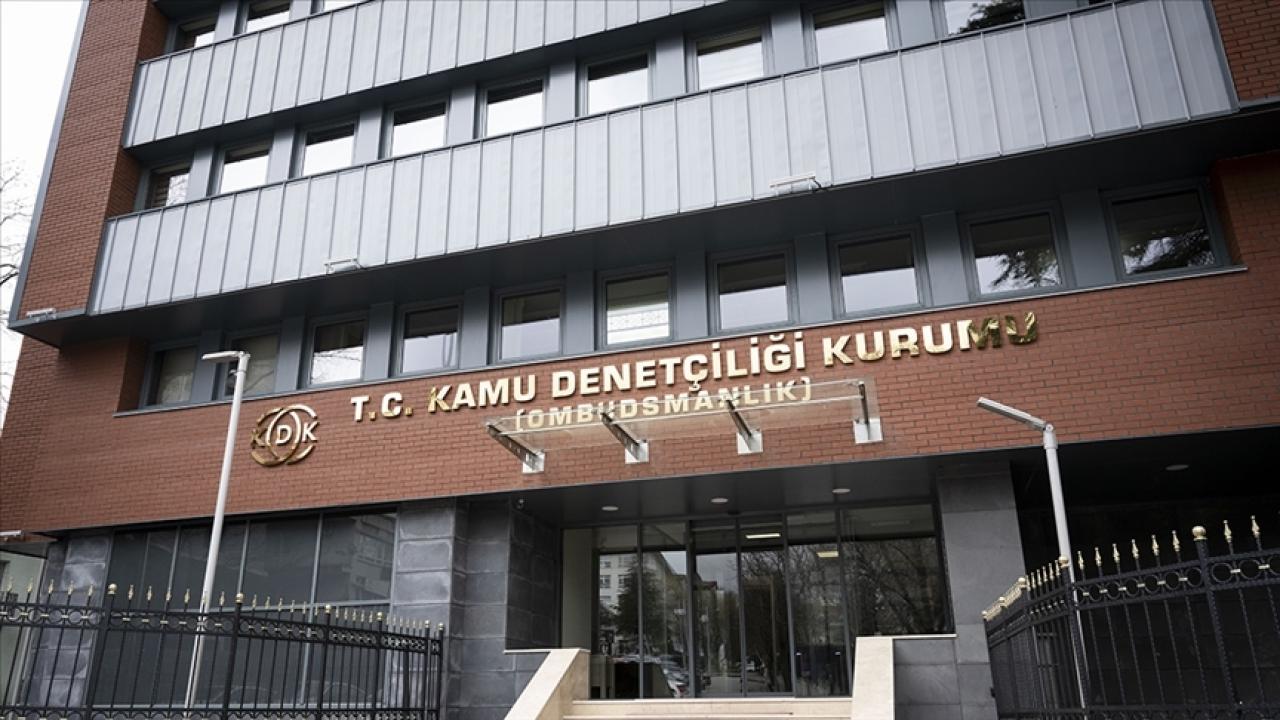
A citizen residing in Izmir successfully petitioned the Ombudsman Institution (KDK) regarding a geometric defect at a highway entrance point used by a commercial facility, which posed a significant threat to public safety. Highways and expressways are designed for continuous, high-speed traffic flow; therefore, entrance points must allow vehicles to match the speed of the main road safely. The citizen argued that forcing vehicles to stop via a 'stop' sign before merging into high-speed traffic contradicted engineering principles and traffic safety standards. Following the intervention of the KDK, the General Directorate of Highways (KGM) took immediate action to rectify the situation.
The applicant emphasized that the acceleration lane is intended to allow vehicles to reach the speed of the main traffic flow before merging. By forcing vehicles to come to a complete halt, the existing infrastructure created a dangerous bottleneck, increasing the risk of rear-end collisions. The KDK, recognizing the validity of these concerns, initiated a dialogue with KGM officials to ensure that the necessary technical adjustments were made to eliminate the safety risk for all road users.
Background of the Development
Turkey's highway network is governed by strict technical specifications set by the General Directorate of Highways, adhering to international safety standards. However, as commercial facilities develop along these routes, the interaction between private access points and public highways often creates unforeseen traffic loads and geometric challenges. The case in Izmir serves as a prime example of how improper signage and design at facility exits can confuse drivers and lead to hazardous traffic conditions.
The KDK acts not only as a complaint resolution body but also as a bridge between the public and administrative authorities, accelerating the implementation of technical solutions. Throughout its history, the KDK has addressed numerous cases involving road safety, intersection design, and signage deficiencies, proving that independent oversight is essential for maintaining public infrastructure standards.
The chronological progress of this case involved the KDK reviewing the citizen's complaint, validating the technical risks, and issuing recommendations to the KGM. Upon receiving these recommendations, KGM technical teams conducted site inspections, confirming that the 'stop' sign and the existing geometric layout were indeed incompatible with modern traffic safety requirements, leading to a swift remediation plan.
Expert and Industry Insights
Traffic safety experts emphasize that highway entrance points must be designed based on the 'acceleration lane' principle. According to experts, forcing a vehicle to stop when merging into high-speed traffic creates an 'unexpected obstacle' for oncoming drivers, which is a primary cause of multi-vehicle accidents. Industry representatives have lauded the KDK's intervention as a proactive approach to safety.
- The use of 'stop' signs at highway entrances is a major risk factor that disrupts traffic flow.
- Physical 'nose' arrangements optimize the merging angle and improve visibility for drivers.
- The use of delineators forces lane discipline and prevents sudden, dangerous maneuvers.
- Replacing 'stop' signs with 'yield' signs allows drivers to manage their speed and merge safely.
- Flashing warning systems significantly increase the visibility of merging points, especially during night driving.
Experts argue that such improvements should be standardized across all similar facility exits nationwide, rather than being addressed on a case-by-case basis. The KDK's decision sets a vital precedent for future safety-related complaints.
Economic and Social Implications
The economic cost of traffic accidents extends far beyond vehicle damage, encompassing healthcare expenses, loss of productivity, and profound social trauma. By preventing potential accidents, the KDK's intervention contributes indirectly to the public budget and societal welfare. Safe road infrastructure reduces logistics costs and improves traffic flow, thereby lowering driver stress levels and increasing overall efficiency.
From a social perspective, this outcome strengthens public trust in state oversight mechanisms. When an individual sees that a technical issue can be resolved through institutional channels, it reinforces the principles of participatory democracy and administrative transparency. The swift reaction of the KGM demonstrates an increasing sensitivity of public institutions to citizen feedback.
Future Projections and Outlook
The success of this KDK intervention raises expectations for a more systematic monitoring mechanism to identify similar road defects in the future. It is anticipated that the KGM will conduct periodic audits of facility exits and remove erroneous applications like 'stop' signs. The integration of digital mapping and AI-supported traffic analysis to proactively identify and resolve such defects forms the basis of future outlooks.
In conclusion, the Izmir case proves that traffic safety is a multifaceted process that can be strengthened not only through engineering but also through administrative oversight and citizen participation. The KDK's decision is a significant step forward in protecting the right to safe transportation.
💬 Yorumlar 0
Henüz yorum yapılmamış. İlk yorumu siz yazın!



















