Magic Mushrooms: A Cure for Depression or a Deadly Risk?
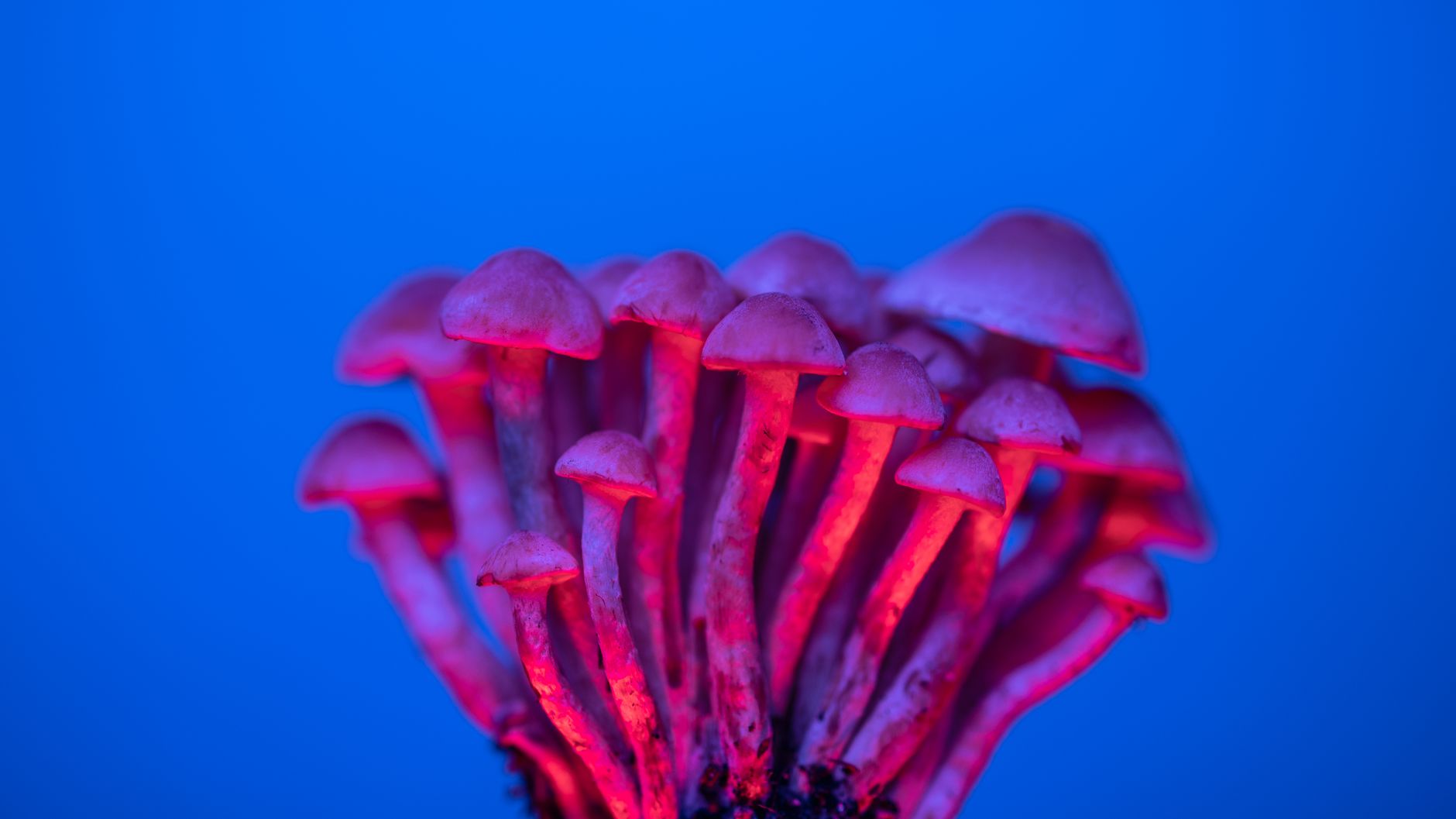
The medical world is on the verge of a potential revolution in the treatment of mental health disorders. Recent clinical research conducted in the UK and globally suggests that psilocybin, a compound found in 'magic mushrooms,' could be effective in treating severe depression that does not respond to traditional antidepressants. However, this scientific excitement is overshadowed by the risk of confusing these mushrooms with poisonous species found in nature and the serious health threats posed by uncontrolled consumption.
According to recent data from sources like the BBC and Independent Türkçe, scientists are working to isolate psilocybin to develop controlled treatment protocols for anxiety and depression. This process relies on a mechanism that aims to calm the brain by regulating mental synchronization. On the other hand, tragic events such as the poisoning cases in Düzce remain a stark reality, reminding us of the lethal effects of mushroom consumption on public health.
Background of the Development
Humanity's relationship with mushrooms dates back thousands of years. According to BBC research, humans may have begun using psychoactive substances as early as 25,000 years ago. This historical process shows that mushrooms were not only a food source but were also used for ritualistic and therapeutic purposes. The work of İrfan Yalın reveals how deeply the evolutionary history of fungi is intertwined with human biological and cultural development.
However, 21st-century medicine is attempting to combine this ancient knowledge with modern pharmacology. Studies conducted in the UK in 2019 and 2022 proved that psilocybin can break depressive cycles by restructuring neural networks in the brain. This is considered not just a 'recreational' substance, but a component that could act as a neurological key when administered in controlled doses. Nevertheless, this scientific progress continues to be overshadowed by the complex structure of mushrooms in nature and lethal cases caused by the consumption of wrong species, such as the 'Death Cap' (Amanita phalloides).
From an industrial perspective, the popularization of mushrooms like 'Lion's Mane,' 'Shiitake,' and 'Turkey Tail' has created a 'natural healing' perception in society. When combined with the hope provided by scientific research, this leads to the public foraging for mushrooms indiscriminately, resulting in an increase in serious poisoning cases. Experts emphasize that the difference between components isolated in a laboratory environment and mushrooms collected randomly from nature is as sharp as the line between life and death.
Expert and Industry Insights
Health authorities and biologists express cautious optimism about the future of mushroom-based treatments. Leading figures in the medical world summarize the developments in this field as follows:
- Unlike traditional antidepressants, psilocybin can temporarily silence the brain's 'Default Mode Network' (DMN), breaking the rigid thought patterns caused by depression.
- Distinguishing between mushroom species in nature is a process that requires expertise; it must be remembered that mushrooms like the 'Death Cap' cause liver failure and leave irreversible damage.
- Clinical trials indicate that these substances should only be used under expert supervision and in standardized doses, as experimenting at home can lead to psychotic episodes.
Industry representatives state that ethical and legal regulations are the biggest obstacles in the commercialization of mushroom-based drugs. While pharmaceutical companies attempt to synthesize psilocybin to minimize side effects, public health experts point out that the perception of these products as a 'magic wand' creates a significant social risk.
Economic and Social Implications
The global economic cost of mental health disorders amounts to billions of dollars annually. Depression and anxiety are among the biggest burdens in terms of labor loss and healthcare expenditures. If psilocybin-based treatments receive approval, this could create a major shift in market share within the pharmaceutical industry. It is expected that the traditional antidepressant market will be replaced by these new-generation treatments, which are claimed to be more effective and shorter-term.
Socially, the search for 'mushroom tourism' and 'natural healing,' when combined with misinformation, creates a significant public cost. The financial burden of poisoning cases on hospital emergency services and the lives lost demonstrate that the public must learn to distinguish between scientific data and hearsay. Overcoming the misconception that 'everything natural is safe' has become one of the most important tests of health literacy.
Future Projections and Outlook
Within the next 5-10 years, it is expected that psilocybin-based drugs will receive approval in certain countries and become an option in the treatment of depression. However, this process will be managed by strict inspections and ethics committees. While the scientific world benefits from the evolutionary richness of fungi, it must also educate the public about nature's lethal side.
In conclusion, mushrooms remain both the future of medicine and one of nature's greatest risks. As scientific research progresses, it will become clearer that the 'magic' is not in the mushroom itself, but in its molecular structure, and that this structure can only provide healing when used with laboratory precision.
💬 Yorumlar 0
Henüz yorum yapılmamış. İlk yorumu siz yazın!



















