Mandatory Winter Tire Application Begins Tomorrow: A Critical Turning Point in Traffic Safety
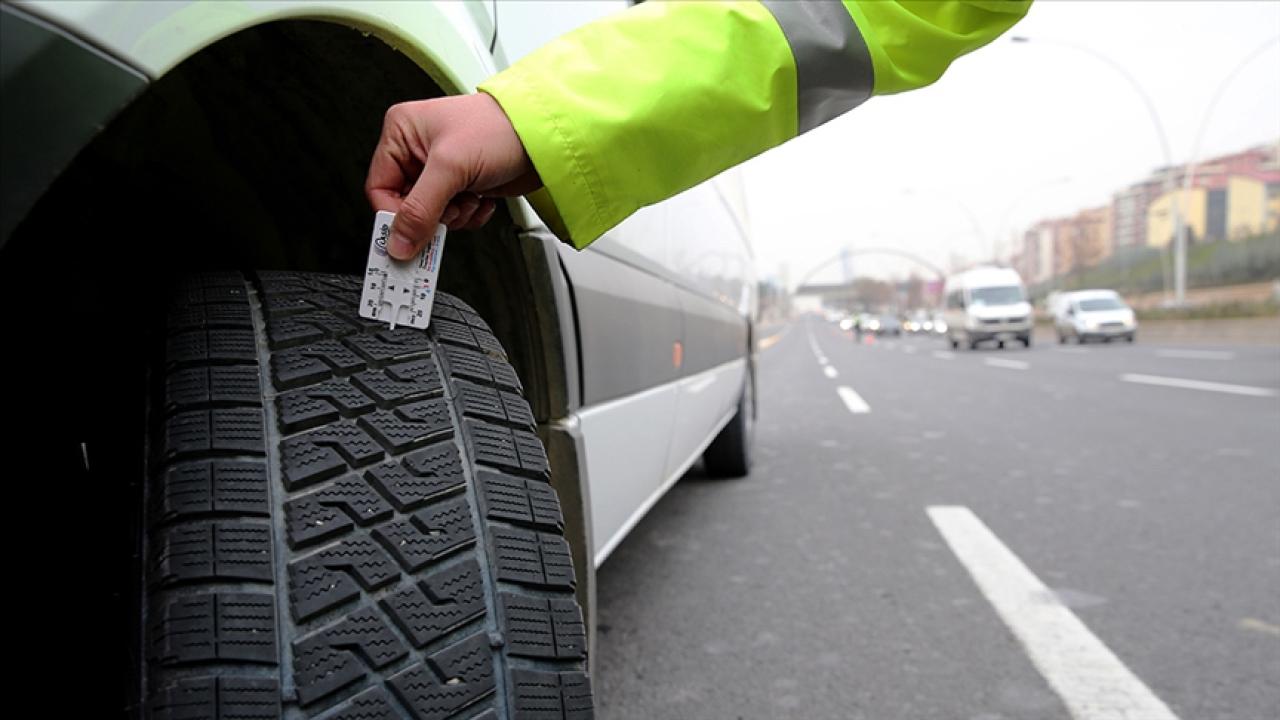
The mandatory winter tire period, implemented across Turkey to enhance traffic safety and minimize accidents during winter months, begins tomorrow. According to the schedule determined by the Ministry of Transport and Infrastructure, it becomes a legal requirement for all commercial vehicles engaged in intercity freight and passenger transport to use winter tires between December 1 and April 1. This regulation stands out as a strategic measure that directly concerns the safety of life and property for all citizens using the highways, not just commercial vehicle owners.
In regions where air temperatures drop below 7 degrees Celsius, the rubber compound of summer tires hardens, causing a significant loss in road grip performance. This situation leads to increased braking distances and loss of steering control, especially on snowy, icy, or wet surfaces. Under the mandatory application, administrative fines will be imposed on businesses and drivers who do not comply, and inspections are expected to be carried out strictly across the country by the General Directorate of Security and Gendarmerie Traffic teams.
Background of the Development
The winter tire application is a vital standard for highway safety, considering Turkey's geographical structure and climatic diversity. The scope of this application, which has been expanded through regulations over the years, aims to prevent traffic congestion and pile-up accidents caused by heavy vehicles getting stuck on roads during winter. In previous years, it was observed that vehicles without proper tire equipment paralyzed traffic and halted logistics flow during severe winter conditions.
The historical process of the application has been shaped by the analysis of traffic accident statistics. Winter tires enable safe driving thanks to special silica components that maintain their grip on the road surface at low temperatures, not just on snowy surfaces. This regulation also parallels Turkey's alignment process with European Union traffic standards and safety requirements on international transport routes.
Institutionally, the Ministry of Transport and Infrastructure informs the logistics sector and commercial vehicle operators every year before winter, issuing warnings to complete preparations. A similar process was followed this year, with calls for drivers to complete their preparations before the rush at tire change centers begins.
Expert and Industry Insights
Industry experts and traffic safety authorities emphasize that changing to winter tires is not just a legal obligation but also a 'life insurance.' Experts summarize the points to consider when choosing tires as follows:
- The production date of the tires must be checked; tires that have completed their shelf life cause performance loss.
- Tread depth should be kept above legal limits as it determines drainage capacity in winter conditions.
- Tire replacement alone is not enough; the vehicle's general winter maintenance (antifreeze, battery, wipers) should not be neglected.
- Tire pressures should be checked regularly as they change at low temperatures.
- Storage conditions should be cool and sun-free environments to protect the chemical structure of the tire.
Automotive industry representatives state that using the correct tires also contributes to fuel economy. While choosing the wrong tire increases the engine load and negatively affects fuel consumption, using winter tires provides a cost advantage in the long run in addition to safe driving.
Economic and Social Implications
The winter tire application has critical economic importance for the uninterrupted operation of the logistics sector. Vehicles getting stuck on the road lead to disruptions in the supply chain and, consequently, economic losses. Therefore, meticulous adherence to the application is essential for the efficiency of the national economy.
From a social perspective, the use of winter tires directly contributes to a reduction in injuries and fatalities resulting from traffic accidents. The increasing awareness in the public encourages drivers to use winter tires not only in commercial vehicles but also in their private vehicles. This is a positive development for the improvement of general traffic culture.
Future Projections and Outlook
In the coming period, it is expected that inspections will become more effective through digitalization and license plate recognition systems for winter tire checks. The Ministry aims to maintain traffic flow by increasing the frequency of inspections in regions where winter conditions are severe.
Drivers not leaving the winter tire change to the last day will both reduce the density at service centers and eliminate the risk of being caught unprepared in the event of a snowfall. In the coming years, it is anticipated that studies will continue to make the standards of 'all-season' tires more compatible with winter conditions, along with developments in tire technology.
💬 Yorumlar 0
Henüz yorum yapılmamış. İlk yorumu siz yazın!