Minister Göktaş Calls for Global Cooperation in Combating Violence Against Children
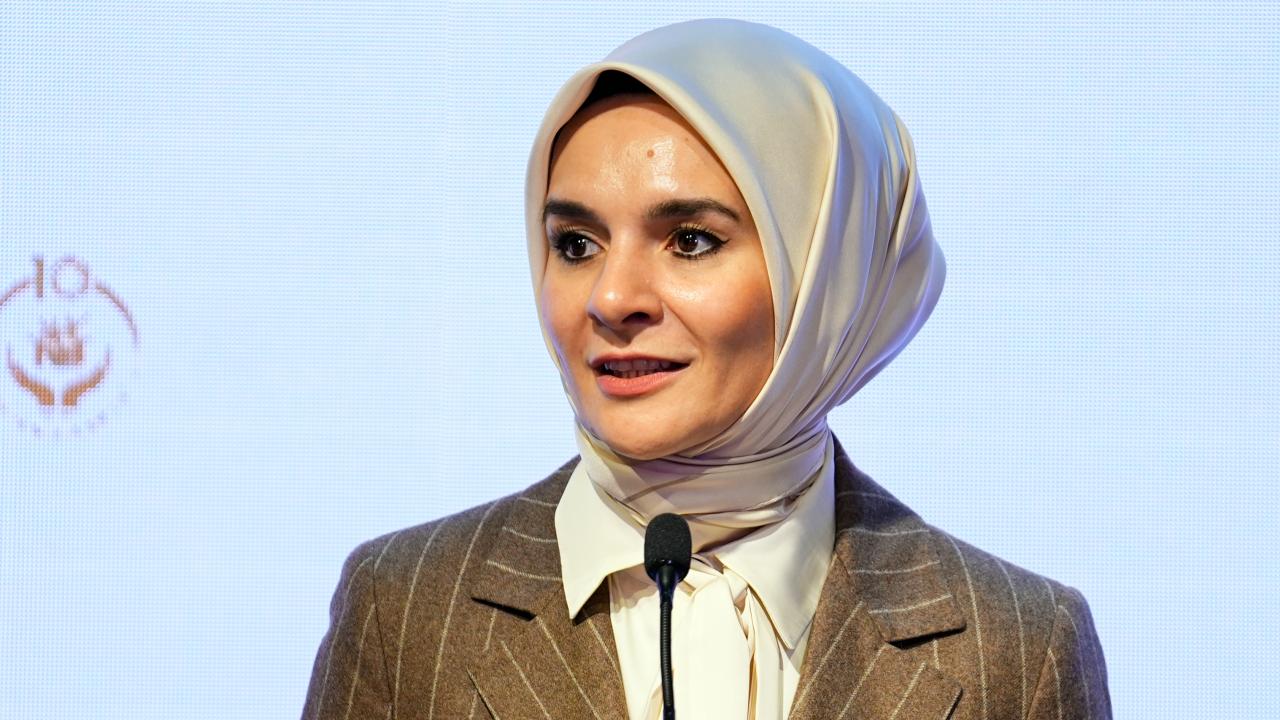
Minister of Family and Social Services Mahinur Özdemir Göktaş has issued a call for global mobilization against the risks faced by children worldwide during the Second Global Ministerial Conference on Ending Violence Against Children held in the Philippines. Speaking at the high-level session titled "The Power of Partnerships: Changing the Course to End Violence Against Children in All Settings," Minister Göktaş highlighted the borderless nature of violence, stating that no country can solve this complex problem alone. Emphasizing Turkey's determination in this field, Göktaş stated that international cooperation is essential to protect children from a wide range of threats, from digital risks to migration movements.
Background of the Development
The fight against violence against children has become one of the most pressing agenda items for the international community in recent years. The first Global Ministerial Conference, held in Bogotá, Colombia, served as a turning point for concretizing international commitments in this field. The steps taken in Bogotá provided a framework for countries to align their national strategies with global goals. This second summit in the Philippines is of critical importance for evaluating the progress made in the intervening period and addressing next-generation threats.
Turkey has registered its determination to integrate international standards on children's rights into its domestic law and implementation policies by joining the "Global Partnership to End Violence Against Children - Pathfinding Countries." As Minister Göktaş noted, the Turkey Children's Rights Strategy Document and Action Plan, the Vision Document for the Protection and Strengthening of the Family, and the Action Plan for Empowering Children in the Digital World are reflections of this global vision on a national scale.
Historically, while child protection systems have traditionally focused on physical violence and neglect, today's digitalization and global migration movements have necessitated the restructuring of these systems. By addressing this transformation with a holistic approach, Turkey aims to develop a model that not only intervenes but also strengthens preventive mechanisms.
Expert and Industry Insights
Social policy experts and child rights advocates state that the "holistic approach" emphasized by Minister Göktaş is the only way to eliminate the multi-dimensional risks children face in the modern world. According to experts, anonymity and uncontrolled content flow in the digital world have diversified the types of violence children are exposed to. Therefore, an ecosystem management involving not only legal regulations but also technology companies, families, and schools is essential.
Key evaluations from industry representatives and academics are as follows:
- Digital literacy is the most fundamental defense mechanism for protecting children in online environments.
- Early warning systems ensure that violence cases are prevented before they occur through family and school cooperation.
- International data sharing and the transfer of best practice examples accelerate policy development processes.
- The participation of children in decision-making processes increases the effectiveness and acceptability of developed policies.
- Strengthening legal cooperation protocols between countries is essential in combating cross-border digital crimes.
These evaluations reveal that Minister Göktaş's call to "listen to children" is not just rhetoric but a scientific necessity. Allowing children to express their own perceptions of safety helps policymakers identify their blind spots.
Economic and Social Implications
Preventing violence against children is considered not only a moral obligation but also a long-term economic investment. It is critical for the country's human capital that children exposed to violence become productive individuals in society, complete their education, and maintain their mental health. Preventing violence reduces social service costs while reinforcing social peace and a secure environment.
Turkey's work in this field is directly linked to the strengthening of the family institution. The vision of protecting the family aims to support the family environment, which is the safest harbor for a child, thereby eradicating violence at its root. This means increasing the resilience of the family, which is the fundamental building block of society.
Furthermore, the steps taken to protect children in the digital world contribute to raising ethical standards in the technology sector. Turkey's pioneering stance on this issue serves as a model for other countries in the region, paving the way for the establishment of regional standards.
Future Projections and Outlook
In the coming period, it is expected that technical support within the Pathfinding Countries alliance will be increased and mutual learning processes between countries will be accelerated. While sharing its own experiences, Turkey aims to build a more agile structure against risks in the digital world by benefiting from the successful models of other countries.
In the official process, it is planned to periodically review existing action plans and update them with feedback from children. In particular, the dialogues to be conducted with tech giants to protect children from harmful content on digital platforms are expected to be one of the most important agenda items of the coming period.
In conclusion, Minister Göktaş's call has once again reminded us that children should not be seen merely as objects to be protected, but as individuals with rights whose opinions should be valued. With this vision, Turkey will continue to be an advocate for children's rights both nationally and internationally.
💬 Yorumlar 0
Henüz yorum yapılmamış. İlk yorumu siz yazın!



















