Nanofiber Coating to Reduce Food Waste Unveiled at COP31
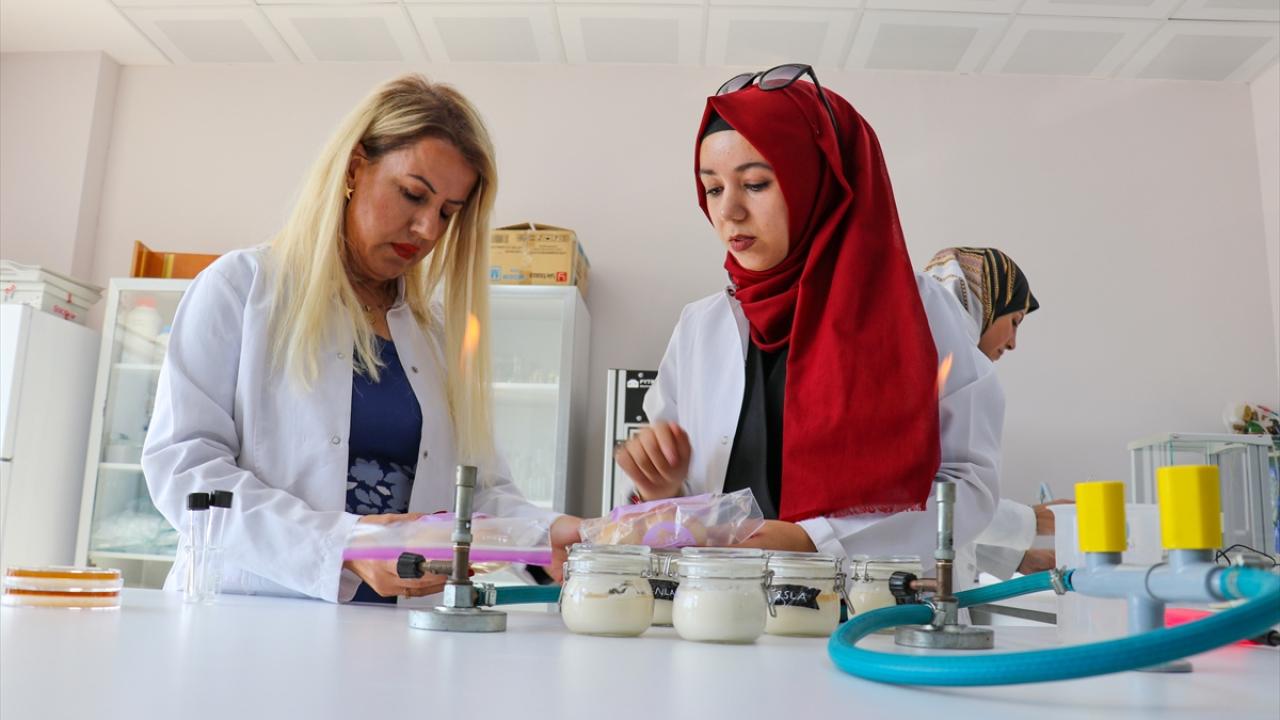
Global food security and waste management are among the most critical, yet often overlooked, components of climate change. Addressing this global challenge, Prof. Dr. Raciye Meral from the Department of Food Engineering at Van Yüzüncü Yıl University (YYÜ) has achieved a groundbreaking innovation. The project, titled "Increasing Food Safety and Reducing Food Losses with Biodegradable Bioactive Coatings," is the result of four years of intensive R&D and aims to minimize waste by extending the shelf life of food products. Unveiled at the United Nations Climate Change Conference (COP31) in Antalya, this technology offers a promising path toward sustainable food systems.
The nanofiber coatings developed within the project consist of biodegradable, food-compatible, and health-friendly bioactive components. These fibers, with a diameter of one micron or less, have been enriched with natural antimicrobial agents such as green tea extract, curcumin, and nisin. In experiments conducted on sensitive foods like fish, it was determined that while untreated samples spoiled within four days, those treated with the green tea extract-infused nanofiber coating remained fresh for up to 12 days. These findings, validated in scientific journals, were presented to the global scientific community at the prestigious COP31 platform.
Background of the Development
Food waste is a major contributor to global greenhouse gas emissions, yet it is frequently sidelined in climate action plans. The study, led by Prof. Dr. Raciye Meral, was built on a solid academic foundation with support from the university's Scientific Research Projects Coordination Unit. The process, which began four years ago, represents an interdisciplinary approach that combines food engineering principles with advanced material technologies.
Historically, plastic-based packaging used in food preservation has caused environmental pollution and accelerated spoilage by preventing food from "breathing." The developed nanofiber technology eliminates this problem entirely due to its biodegradable structure. The integration of natural ingredients, particularly antimicrobial peptides like nisin, into the nanofiber matrix is considered a revolutionary step in packaging technology.
The academic depth of the study is highlighted not only by its ability to preserve food but also by its success in maintaining the sensory properties of the products, such as color, odor, and texture. The synergy between the antioxidant power of curcumin and the protective effects of green tea aligns perfectly with the "clean label" trend, reducing the need for synthetic chemical preservatives.
Expert and Industry Insights
Food technology experts state that the industrial-scale application of such biotechnological solutions could reduce supply chain losses by up to 30%. Industry representatives emphasize that the technology introduced at COP31 could guarantee food safety, particularly in regions prone to cold chain disruptions.
- Nanofiber coatings create a breathable barrier on the food surface, physically preventing microbial growth.
- Green tea extract acts as a natural antioxidant, slowing down oxidative spoilage.
- The use of nisin establishes a natural and safe defense line against foodborne pathogens.
- The biodegradable structure contributes to the circular economy by reducing plastic waste loads.
- The technology lowers logistics costs and the carbon footprint associated with food waste by extending shelf life.
Experts note that the commercialization potential of this technology is high, providing a competitive advantage, especially in the export-oriented fresh food sector. In a global market where food safety standards are becoming increasingly stringent, such innovative approaches will enhance Turkey's brand value in the field of food technologies.
Economic and Social Implications
From an economic perspective, preventing food waste contributes directly to household budgets and the national economy. Every piece of food that goes to waste represents a loss of the water, energy, labor, and land resources used to produce it. The technology developed by Prof. Dr. Meral facilitates the efficient use of these resources, paving the way for a sustainable economic model.
On a social level, increased food safety will have a direct positive impact on public health. Access to food preserved through natural methods, free from chemical preservatives, is a primary goal of public health policies. This project is recognized as one of the most concrete examples of university-industry collaboration translating into social benefit.
Furthermore, this technology can support local development by allowing small-scale producers to transport their products to more distant markets without the risk of spoilage. Making the role of food waste in the climate crisis visible will also contribute to raising awareness about waste in society.
Future Projections and Outlook
In the coming period, pilot facility studies are expected to begin for the integration of this nanofiber coating technology into industrial production lines. Prof. Dr. Raciye Meral and her team are continuing their work to optimize the technology's performance across different food groups, including fruits, vegetables, and meat products. The feedback received at COP31 is opening new doors for the project to be developed through international collaborations.
In the formal process, the goal is for this technology to become a standard application in the packaging industry once the necessary approvals from food safety authorities are obtained and patent processes are completed. Regarding risk management, optimizing production costs and ensuring scalability will be the key factors determining the commercial success of the project.
In conclusion, this scientific achievement from Van YYÜ represents Turkey's vision for combating climate change and ensuring food security on a global scale. In the coming years, with the widespread adoption of such biotechnological solutions, the dream of a "zero-waste food system" will move one step closer to reality.
💬 Yorumlar 0
Henüz yorum yapılmamış. İlk yorumu siz yazın!



















