Next-Generation Energy Storage Technologies: Solid-State Batteries, Green Hydrogen, and Grid-Scale Transformation
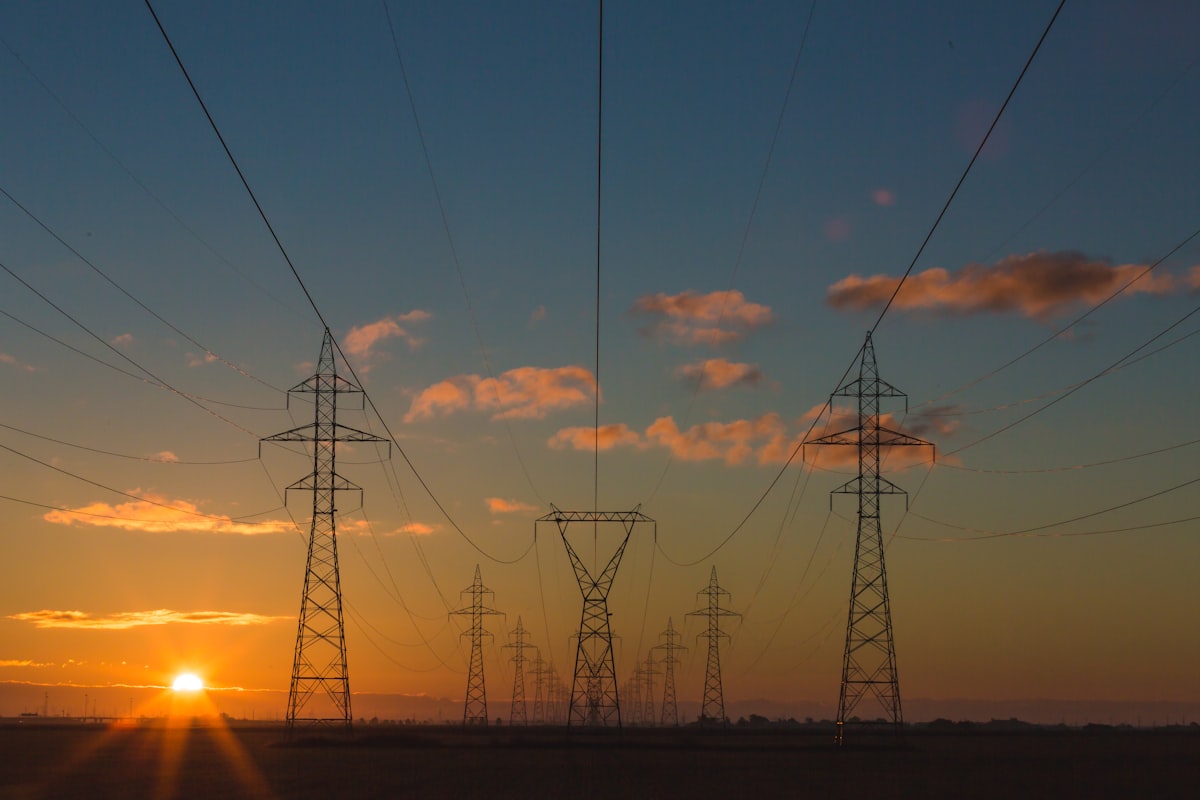
The levelized cost of energy (LCOE) across photovoltaic solar and onshore wind has plunged by upwards of 80 percent over the past decade, frequently undercutting combined-cycle natural gas and coal plants. However, the fundamental physical reality of renewable generation remains variable intermittency: solar generation ceases during night cycles, while wind velocity fluctuates unpredictably. Absent economic grid-scale energy storage, power grids remain anchored to carbon-intensive thermal peaker plants.
Contemporary energy storage—spanning electric vehicles (EVs) to grid-scale Battery Energy Storage Systems (BESS)—is dominated by Lithium-Ion (Li-ion) intercalation chemistries. While transformative, conventional liquid-electrolyte cells confront thermodynamic limits: flammability hazards, volatile raw material extraction, and volumetric energy density plateaus. This technical analysis explores the next-generation storage architectures restructuring global energy infrastructure.
1. Solid-State Batteries: The Theoretical Paradigm Leap
Conventional lithium-ion cells utilize a porous polymer separator immersed within a flammable organic liquid electrolyte to broker lithium-ion transit between anode and cathode. Under extreme thermal stress or mechanical intrusion, liquid electrolytes trigger catastrophic thermal runaway.
Solid-State Batteries displace flammable liquid electrolytes with non-flammable solid ceramic, sulfide, or polymer membranes. This structural mutation yields decisive performance dividends:
- Doubled Volumetric Energy Density: Accommodates pure lithium-metal anodes, elevating volumetric density beyond 1,000 Wh/L (a 70 to 100 percent expansion over current nickel-manganese-cobalt cells).
- Intrinsic Thermal Safety: Ceramic and glass electrolytes are completely non-flammable, physically eliminating explosion hazards even under severe ballistic puncture.
- Hyper-Accelerated Charging: High ionic conductivity allows 10- to 15-minute 80 percent replenishment without thermal degradation.
- Dendrite Suppression: Dense solid separators mechanically inhibit lithium dendrite puncture, prolonging operational cycle life beyond 3,000 deep discharge cycles.
Automotive and battery consortia—including Toyota, QuantumScape, Samsung SDI, and CATL—are targeting commercial pilot lines between 2026 and 2028.
2. Sodium-Ion (Na-ion) Chemistries: The Abundant Low-Cost Alternative
While lithium demand strains critical mineral supply chains, Sodium is orders of magnitude more geologically abundant and cost-effective, extracted easily from global salt deposits.
Although sodium-ion cells exhibit lower volumetric density—making them less optimal for long-range aerospace or premium passenger EVs—they provide superior economics for Utility-Scale Stationary BESS deployments. Crucially, sodium-ion cells maintain operational discharge efficiency down to -20 °C, bypass cobalt dependency entirely, and utilize inexpensive aluminum current collectors instead of copper.
3. Green Hydrogen: Long-Duration Seasonal Energy Buffering
Electrochemical battery packs excel at diurnal (hourly to daily) load-shifting. However, buffering multi-month seasonal deficits (storing surplus summer solar generation for winter peak demand) or decarbonizing primary industrial sectors (steel fabrication, container shipping, and aviation) exceeds the thermodynamic viability of battery chemistry. This necessitates Green Hydrogen.
Synthesized via zero-emission water electrolysis (2H2O -> 2H2 + O2) powered by surplus renewable electricity, Green Hydrogen can be compressed and stored in subterranean salt caverns for months with zero parasitic energy leakage. Stored hydrogen can subsequently fire zero-emission fuel cells, drive hydrogen combustion turbines, or undergo catalytic synthesis into green ammonia and synthetic e-fuels for cross-oceanic transport.
4. Grid-Scale BESS Integration and Geopolitical Realignment
The maturation of utility-scale storage technologies will irrevocably transform international geopolitical equilibria. The sovereign leverage of historical petro-states will contract as energy storage decoupling accelerates. Power will concentrate within technological leaders commanding battery IP, advanced metallurgy, and green hydrogen export corridors.
Economies that rapidly integrate utility-scale BESS architectures alongside pumped-storage hydroelectricity (PHES) will achieve structural energy independence and superior industrial resilience. The Bilginet Energy and Strategy Bureau will continue delivering deep, data-driven analysis on the frontier of global energy storage technologies.
5. Grid-Scale Sodium-Ion Chemistry and Long-Duration Energy Storage (LDES)
While solid-state lithium architectures represent the technological zenith for high-performance electric mobility, stationary renewable energy grids (solar and wind) require radically different economic parameters: low capital cost per kilowatt-hour, abundance of raw materials, and long operational cycle lives. Sodium-Ion (Na-Ion) batteries fulfill these demands by substituting scarce lithium, nickel, and cobalt with abundant sodium salts, slashing pack-level raw material costs by 30 to 40 percent while demonstrating superior low-temperature performance and thermal stability.
Complementing sodium-ion packs, Long-Duration Energy Storage (LDES) systems—including Vanadium Redox Flow Batteries (VRFB), compressed-air storage, and liquid-metal thermal batteries—provide multiday grid stabilization without chemical degradation across decades of operation. The clean global energy transition will not rely on a monolithic battery chemistry; rather, it will be orchestrated through a tiered hybrid paradigm: ultra-dense solid-state cells for aerospace and transport, paired with cost-effective sodium and flow topologies anchoring continuous clean electrical grids.
Closed-loop battery recycling (advanced black mass hydrometallurgical recovery) constitutes an indispensable pillar of modern storage economics. Recovering critical elements with exceeding 95 percent purity from retired cells minimizes environmental mining extraction while securing resilient circular supply chains.
Next-generation Battery Management Systems (BMS) integrate neural state-of-charge estimation to optimize cell-level thermal equilibrium and charge velocity in real time, effectively doubling functional pack service lifespans.
💬 Yorumlar 0
Henüz yorum yapılmamış. İlk yorumu siz yazın!
