October Budget Data: The 2027 Budget Marathon Begins
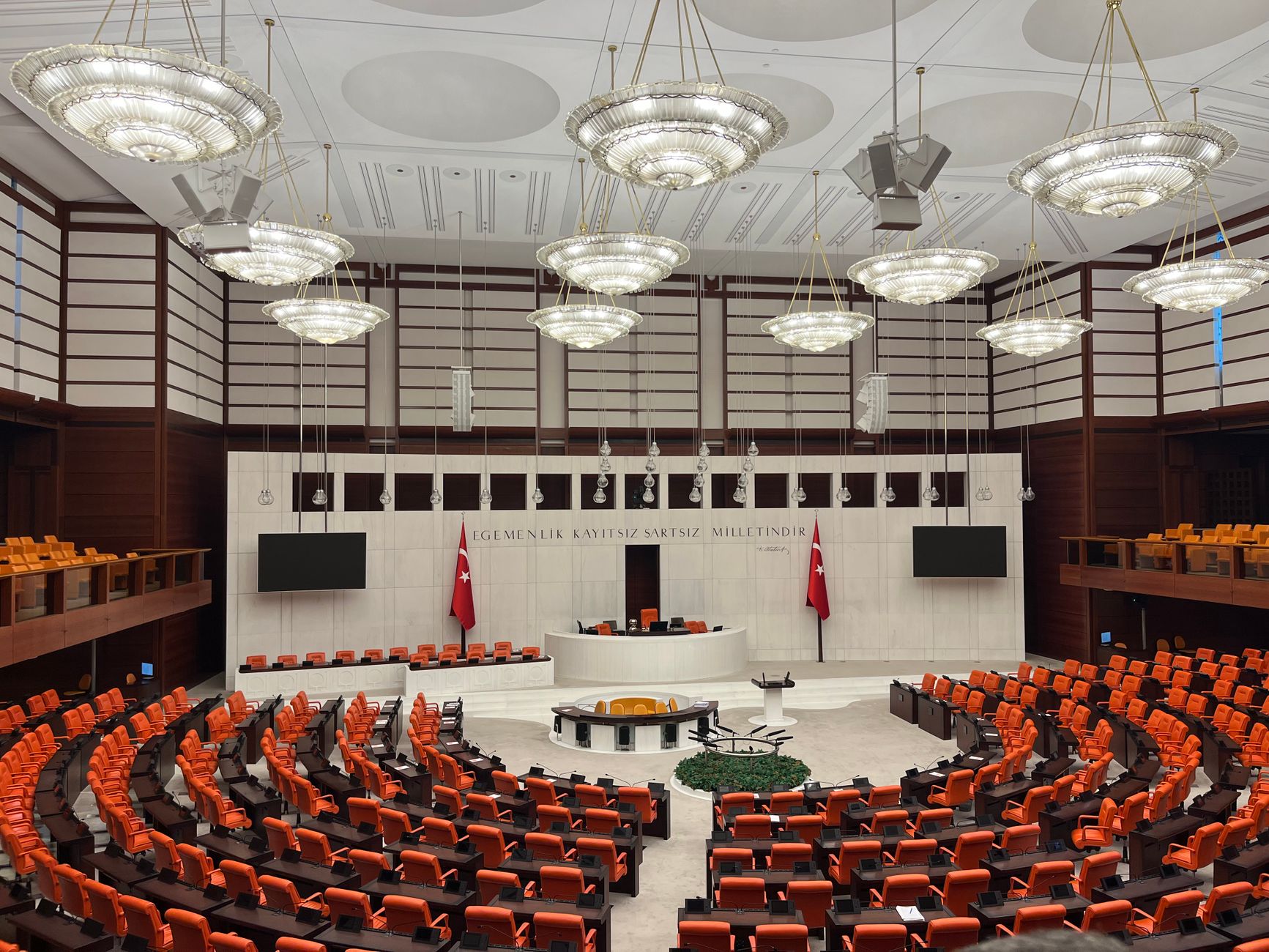
The October central government budget data, the heart of the Turkish economy, has been shared with the public by the Ministry of Treasury and Finance. These figures offer critical clues about the course of fiscal discipline and public spending as we enter the final quarter of the year. Especially in this period when preparations for the 2027 budget are gaining momentum, the October realizations form a foundation that will directly influence next year's economic projections.
With the finalization of the 2027 budget meeting calendar in the TBMM Planning and Budget Committee, activity in the political and economic arena has reached its peak. The October budget data is not just an accounting of the past, but also a reflection of next year's fiscal policies. The government's expenditure items and revenue targets are among the most important indicators closely followed by the markets.
In terms of budget discipline, the fight against inflation, and public finance balance, the October data reveals the priorities of the economic administration. Debates over fund management and the financing of public investments have become one of the main agenda items of the budget negotiations. This process concerns not only the state treasury but also the sustainability of economic stability.
Background of the Development
Turkey's budget process operates on a calendar that intensifies every year in September and October. The process for the 2027 budget started in September with the opening of the Parliament. The determination of the calendar in the Planning and Budget Committee is considered one of the most important stages in the legislative process of the budget. This calendar is of vital importance for determining the spending authorities of ministries and public institutions.
Looking at past years, it is seen that budget negotiations always take place on a ground of intense political debate. Especially allegations of fund crises and criticisms regarding the efficiency of public spending form the main axis of committee meetings. The October data allows these debates to be based on a concrete data set.
In an institutional context, the fiscal discipline program carried out by the Ministry of Treasury and Finance plays a critical role in protecting budget balances. The October data is carefully analyzed by the markets as it shows how compatible it is with the goals of this program. Tax revenues and the non-interest balance, in particular, provide the clearest information about the general health of the budget.
Expert and Industry Insights
Economists and industry representatives evaluate the October budget data and the upcoming 2027 budget negotiations as follows:
- Market analysts emphasize that keeping the budget deficit under control is essential for the success of the anti-inflation program.
- Industry representatives state that increasing the share allocated to production and technology investments in the budget is critical for economic growth.
- Political observers state that the budget marathon in the Parliament will be a test that will determine the government's economic priorities for the coming year.
Experts argue that the rate of increase in public spending, in particular, must be balanced with revenue growth. Otherwise, they warn that the need for external resources to finance the budget deficit may increase.
Looking at the sectoral basis, the weight of energy and infrastructure investments in the budget is one of the issues that industrialists are most curious about. The spending discipline of public institutions is also of great importance for the private sector to see its path forward.
Economic and Social Implications
Budget data is not just about numbers; it has a structure that directly affects the general welfare of society and economic stability. A change in public spending directly affects market liquidity and consumer confidence. In particular, public personnel expenses and social transfers are closely monitored by large segments of society.
From a market perspective, the budget balance has a direct impact on credit ratings and foreign investor interest. A healthy budget table helps lower Turkey's risk premium (CDS) and can support capital inflows. This is of great importance for maintaining stability in financial markets.
In terms of social implications, the share of the budget allocated to education, health, and social assistance items is a fundamental element for protecting social peace. How the government balances spending in these areas during the budget marathon will be one of the most important factors determining the living standards of the people.
Future Projections and Outlook
In the coming period, the budget marathon that will begin in the Parliament will chart Turkey's 2027 economic course. With the completion of the negotiations, the budgets of public institutions will be finalized, and the investment plans for the new year will be implemented. Markets will continue to closely follow the messages and the determination for fiscal discipline that will emerge from this process.
Among the risk scenarios, the pressure of global economic fluctuations on the budget stands out. However, the government's display of a determined fiscal stance and not compromising on budget discipline shows that these risks are manageable. The opportunity scenario is the increase in economic efficiency and the permanent reduction of inflation that will be achieved through the efficient use of the budget.
💬 Yorumlar 0
Henüz yorum yapılmamış. İlk yorumu siz yazın!



















