Olympic Fever: Young Stars Aim for Gold Medals
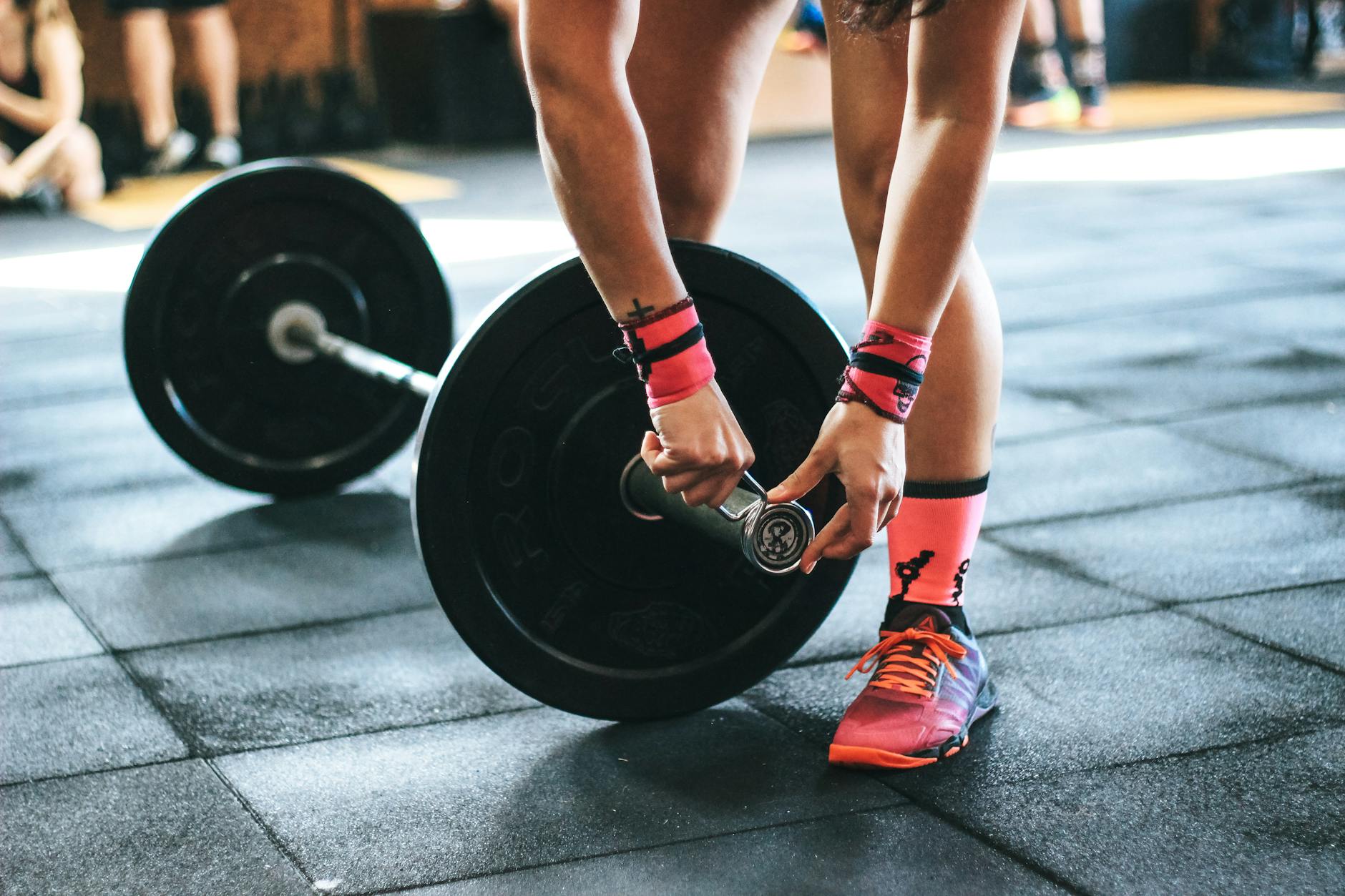
The Turkish sports world is entering a new era with the outstanding performances of young talents in the international arena. Especially in boxing, taekwondo, and judo, the successes achieved at the European and world levels have led young athletes to set their sights directly on the Olympic Games. Masal Ece Buruk, Ayşe Işık, and many other young talents are preparing to play a decisive role not only in their respective branches but also in the future of Turkish sports.
Recent reports indicate that these young athletes are working with a discipline focused on winning medals, rather than just participating. The success of European champion boxer Masal Ece Buruk, crowned with three finals and two gold medals, stands out as one of the most concrete examples of this determination. On the other hand, national taekwondo athlete Ayşe Işık's goal of becoming a world champion and then winning an Olympic gold medal proves how much the vision of our athletes has expanded.
This process is not just a story of individual success but also a reflection of Turkey's sports infrastructure and the opportunities provided to young athletes. From judokas within the İzmir Metropolitan Municipality to experienced names like Süleyman Atlı, a wide range of Turkish athletes are sweating to carry our flag to the top on the Olympic stage.
Background of the Development
The Olympic goal is not just a competition for athletes but the pinnacle of a preparation process spanning years. Historically, the participation of Turkish athletes in the Olympics and their medal-winning rate have gained significant momentum over the last decade. In particular, the participation of young athletes in international tournaments at an early age has enabled them to gain experience and improve their ability to perform under high pressure.
Masal Ece Buruk's recent rise is part of the rejuvenation movement in Turkish boxing. European championships are not just medals but critical steps for collecting the points necessary for Olympic qualification. During this process, athletes are preparing for the Olympic atmosphere not only physically but also mentally.
Similarly, the world championship goal of taekwondo athletes like Ayşe Işık creates a greater source of motivation by combining with the branch's deep-rooted history in Turkey. The Olympic medal goal of İzmir's judokas is the best indicator of how investments made by local governments and clubs in sports are transformed into national goals.
Expert and Industry Insights
Sports analysts and coaches find the Olympic goals of young athletes quite realistic and achievable. Experts emphasize that the following elements are critical for the successful conclusion of this process:
- Continuous and high-intensity international tournament experience.
- Individualization of modern sports science and nutrition programs.
- Professional management of mental resilience and psychological support processes.
Industry representatives state that discovering young athletes at an early age and training them with the right coaches increases the chance of winning a medal by 40%. The use of technological analysis in Olympic preparation processes has now become a necessity, not a luxury.
The fact that young talents like Ege Ertöz have the sole goal of becoming Olympic champions shows that athletes are now building their vision on the summit, not just participation. This situation creates a great source of hope for the future of Turkish sports.
Economic and Social Implications
The Olympic goal directly affects not only the athletes but also the sports industry. The brand value created by successful athletes triggers sponsorship deals and sports investments. This is vital for sports to reach a structure that can sustain itself economically.
From a social perspective, young athletes with Olympic goals become role models for other young people in society. This contributes to increasing interest in sports and encourages young people to adopt a disciplined lifestyle, staying away from bad habits.
Furthermore, investments made in athletes preparing for the Olympics indirectly contribute to local economies. The modernization of sports facilities, training camps, and tournament organizations allow for the development of sports tourism.
Future Projections and Outlook
In the coming period, it is expected that Turkey will use more digital data analysis and artificial intelligence-supported training systems in the Olympic preparation process. The tournaments in the official calendar serve as critical tests for athletes to maintain their form and qualify for the Olympics.
Although injuries and the fatigue brought by the intense tournament schedule are among the risk scenarios, the fact that athletes work with professional health teams minimizes these risks. Future projections show that Turkey will increase its medal count in the Olympics and rise to higher ranks in world sports.
💬 Yorumlar 0
Henüz yorum yapılmamış. İlk yorumu siz yazın!



















