President Erdoğan: We Are in the Midst of a Painful Process as the Old World Order Collapses
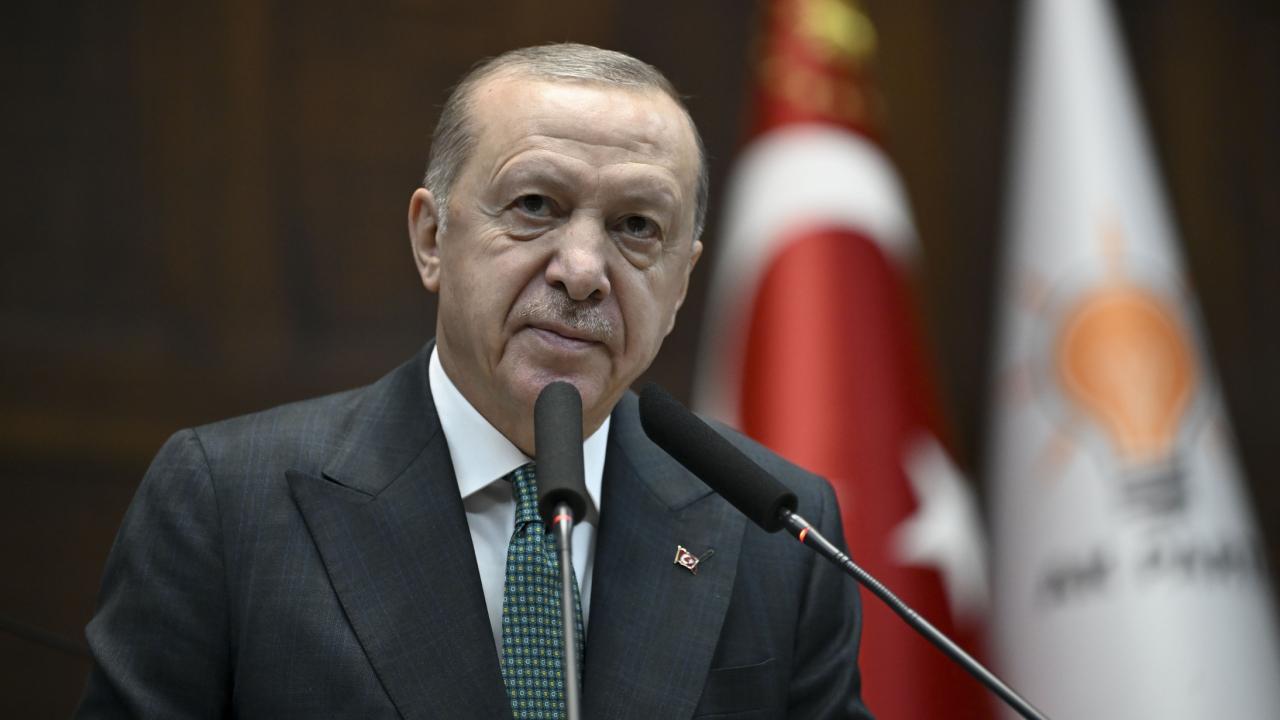
President Recep Tayyip Erdoğan, speaking at his party's parliamentary group meeting, emphasized that the world is passing through a geopolitical breaking point, stating that the old world order is collapsing and we are in a transition process where it is unclear what will replace it. Erdoğan noted that the competition occurring behind the scenes is far more violent and destructive than what is reflected on screens, highlighting the deepening instability across a vast geography ranging from the Russia-Ukraine war to tensions in the Persian Gulf. Devoting significant attention to the humanitarian tragedy in Gaza, Erdoğan stressed that Israel has turned the region into a concentration camp and that the democratic rhetoric of Western states has collapsed during this process.
Background of the Development
Turkey's firm rhetoric in foreign policy is rooted in the inadequacy of international institutions (UN, Security Council, etc.) established after World War II to resolve current crises. Erdoğan views his long-standing doctrine, "The world is bigger than five," as the root cause of the current global chaos. While the effects of the Russia-Ukraine war on energy and food security necessitate Turkey's mediation role, conflicts in the Middle East have led Turkey to prioritize humanitarian diplomacy as a regional power.
The political journey of the AK Party is based on a tradition of "service and works" politics that began with the November 3, 2002 elections and solidified with the establishment of the 58th Government on November 18, 2002. Recalling this historical process in his speech, Erdoğan stated that the party was founded by the will of the nation and has not deviated from this path for 22 years. This emphasis is read not only as an accounting of the past but also as a sign of Turkey's determination to chart its own course in a changing world order.
The Gaza issue has been positioned as a "litmus test of conscience" in Turkey's foreign policy. Erdoğan's call for self-criticism within the Islamic world reflects his expectation that regional actors should increase pressure on Israel. Turkey continues to prepare for the delivery of humanitarian aid, including containers and logistical support, declaring that it will maintain this stance even if left alone on the international stage.
Expert and Industry Insights
Political scientists and foreign policy experts interpret Erdoğan's expression of a "painful process" as the growing pains of a transition to a multipolar world. According to experts, the "balancing policy" Turkey follows in this process aims to protect both its relations with the West and its regional partnerships. On an industrial level, it is stated that the defense industry and logistical capacity play a critical role in delivering humanitarian aid.
- Disruptions in global supply chains make Turkey's strategic location even more valuable.
- Humanitarian diplomacy is one of the most important instruments increasing Turkey's "soft power" capacity.
- The inability of the Islamic world to develop a common foreign policy language limits the pressure on Israel.
- The security of energy corridors has become a primary priority for Turkey alongside tensions in the Persian Gulf.
- The double standards in democracy and human rights rhetoric weaken the West's global legitimacy.
Economic and Social Implications
Global uncertainties create direct effects on the Turkish economy. In addition to inflationary pressures, the rise in geopolitical risks is a factor directly affecting investor confidence. The "politics of service" emphasized by Erdoğan is based on maintaining the social state and supporting the vulnerable segments of society during times of crisis. The fact that aid to Gaza resonates with the public conscience also strengthens the legitimacy of Turkey's foreign policy moves in domestic politics.
Maintaining economic stability is the most important element strengthening Turkey's hand in foreign policy. The cost of regional conflicts, the increase in defense spending, and fluctuations in energy prices are among the main risks considered in Turkey's Medium-Term Program (MTP). In this process, the government aims to reduce external dependency by encouraging domestic production.
Future Projections and Outlook
In the coming period, Turkey is expected to increase diplomatic pressure to stop the humanitarian catastrophe in Gaza. Taking a more active role in the Organization of Islamic Cooperation and other regional platforms will be one of Turkey's priority agenda items. Furthermore, the vision of "politics of works" that has continued since 2002 is aimed to be combined with technological transformation and digitalization in the new era.
In terms of risks, the escalation of tension in the Persian Gulf is seen as one of the greatest threats to Turkey's energy supply security. However, Turkey will strive to minimize these risks with both its military capacity and its ability to keep diplomatic channels open. In conclusion, Erdoğan's messages show that Turkey will continue to position itself as a "solution provider, not a side" in the changing world order.
💬 Yorumlar 0
Henüz yorum yapılmamış. İlk yorumu siz yazın!



















