SSB and Ministry's Strategic Alliance: A New Era in Defense
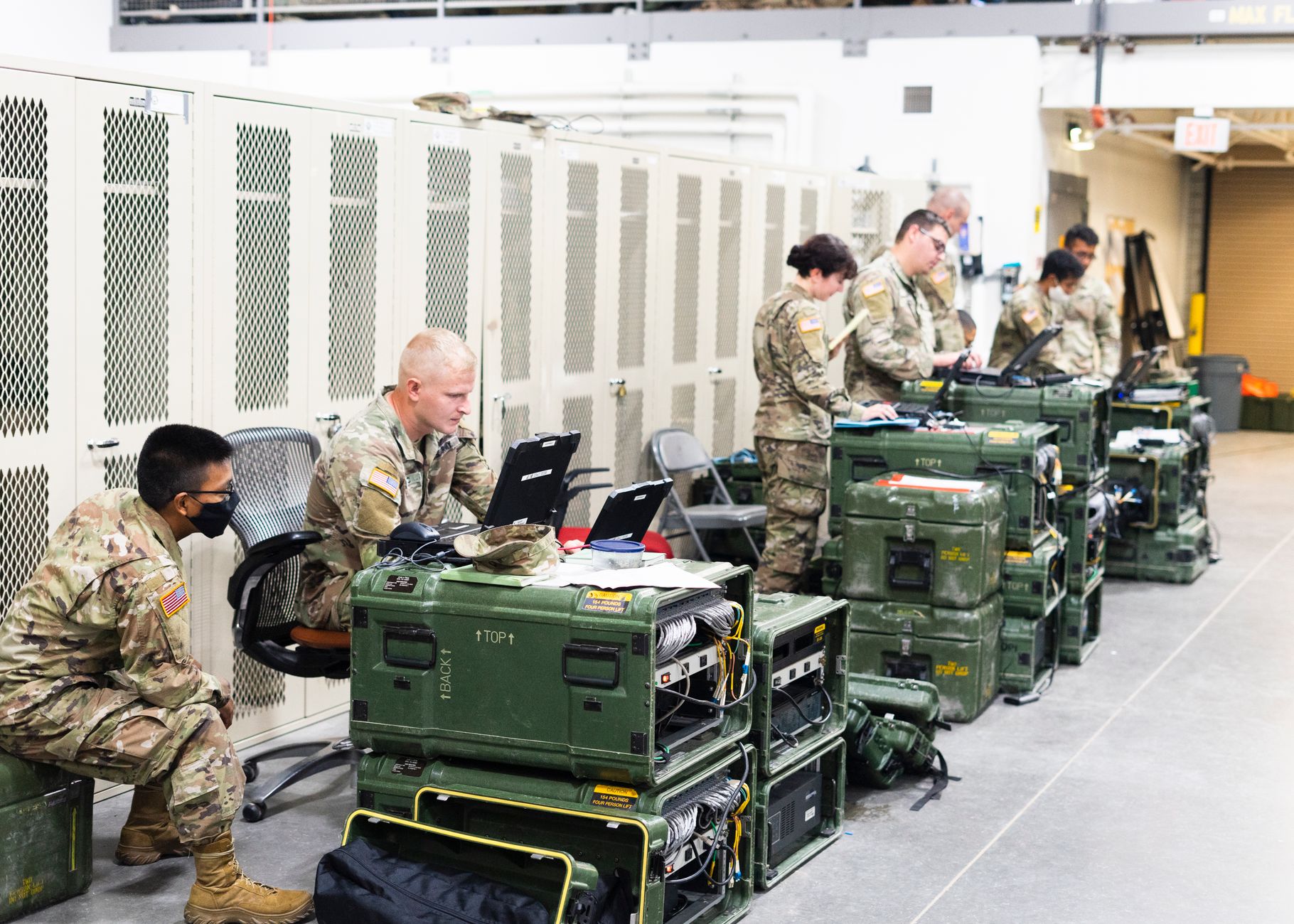
Turkey's defense industry ecosystem is entering a period of strategic transformation through new cooperation protocols signed between the Presidency of Defense Industries (SSB) and the Ministry of Industry and Technology. Conducted by SSB President Haluk Görgün and Minister of Industry and Technology Mehmet Fatih Kacır, these high-level discussions are paving the way for critical projects that will solidify Turkey's technological independence. This collaboration aims to create a multiplier effect not only in defense but also in the integration of civilian and military technologies.
Within the scope of this partnership, high-tech projects such as SİPER, GÖKTUĞ, and advanced navigation and radar systems, which are currently being developed with TÜBİTAK, are being prioritized for alignment with national industrial policies. The Ministry aims to increase the capacity of local manufacturers by combining R&D and investment incentive mechanisms with the strategic needs of the SSB. This move is intended to enhance Turkey's competitive power in the global defense market while minimizing foreign dependency through technology transfer and joint production models.
These recent steps are further supported by defense memoranda Turkey has signed with countries like Qatar, Pakistan, and Indonesia. Progressing under the coordination of the SSB, this process enables local defense companies—such as ASELSAN, HAVELSAN, and Otokar—to play a more active role on the global stage. Concrete projects, such as the 4x4 armored vehicle agreement signed with Otokar, stand out as the clearest indicators of how quickly the field-level reflections of this cooperation are being implemented.
Background of the Development
This strategic cooperation in the defense industry is the result of years of accumulation and institutional maturity. Previously, defense R&D activities and industrial policies proceeded independently; however, they are now being executed in a coordinated manner under a single umbrella. This process gained momentum with the 'Strategic Competence Development Program for Quantum Technologies' launched in June 2026. The collaboration established with the Council of Higher Education (YÖK) marked a critical turning point in transferring academic knowledge to the defense industry.
When examining the historical process, Turkey's success in reducing foreign dependency in the defense industry from over 80% to below 20% is a fruit of this inter-institutional coordination. While the SSB determines the technical and operational requirements of projects, the Ministry of Industry and Technology undertakes the industrial scaling and financial sustainability of these initiatives. This model has enabled a significant success story, particularly in the localization of critical subsystems.
Finally, the 4x4 armored vehicle agreement signed with Otokar in November 2026 proves that this cooperation model is not only technology-focused but also aimed at increasing production capacity. Bottlenecks in the supply chain that have persisted for years have been overcome through this new collaborative approach, making it possible to meet the needs of the Turkish Armed Forces much faster with domestic and national resources.
Expert and Industry Insights
Industry representatives and defense analysts describe this integration between the SSB and the Ministry as a 'multiplier effect in defense.' According to experts, this collaboration is not just a technology transfer but a total modernization of Turkey's industrial ecosystem. Joint efforts on quantum technologies and radar systems are seen as a vision that will place Turkey among the leading countries in future warfare technologies.
- Channeling R&D incentives directly into SSB projects is considered a critical step to increase the localization rate in the defense industry to over 85%.
- Strengthening the bridges between the academic world and the defense industry is emerging as a fundamental solution to meeting the need for qualified human resources.
- International memoranda and technology transfer agreements serve as a lever that will significantly increase the export potential of the Turkish defense industry in line with 2028 targets.
Analysts emphasize that giants like ASELSAN and HAVELSAN are able to test and inventory much more complex systems (such as GÖKTUĞ and SİPER) in a shorter time frame with the infrastructure support provided by the Ministry. This situation puts Turkey's 'rapid prototyping' capability in the defense industry ahead of its global competitors.
Economic and Social Implications
The economic implications of this cooperation are not limited to the defense budget. Technological breakthroughs in the defense industry provide technology transfers to civilian industries, leading to a general increase in efficiency. The goal of increasing women's participation in the workforce to over 40% by 2028 is directly supported by the increase in the number of engineers and technical personnel employed in defense industry companies.
From an economic perspective, preventing foreign currency outflows through domestic production and increasing export revenues create a positive pressure on the current account deficit. Platforms like the Istanbul Global E-Export Summit serve as a showcase for opening defense industry products to global markets. This process is accepted as the most concrete and successful example of Turkey's technology-oriented growth model.
Socially, this localization move in the defense industry creates a high level of technological awareness and self-confidence in society. The fact that young engineers and researchers remain in Turkey to work on these projects has become a source of motivation that will reverse the brain drain. Turkey's success in the defense industry shows that it is advancing not only as a military power but also as a center of technological attraction.
Future Projections and Outlook
In the coming period, the focus of projects jointly carried out by the SSB and the Ministry of Industry will be on 'AI-supported autonomous systems' and 'cybersecurity.' These projects, which will increase Turkey's technological depth in the defense industry by 2028, will also be integrated into civil aviation and space technologies. The official calendar aims to completely eliminate foreign dependency, especially in radar and navigation technologies.
Regarding risk scenarios, fluctuations in the global supply chain and technological embargoes further increase the importance of domestic production. However, the multi-dimensional international memoranda carried out by the SSB create a buffer mechanism to minimize these risks. Within the next 5 years, Turkey is moving firmly toward becoming not just a user, but a critical technology-providing power in the defense industry.
💬 Yorumlar 0
Henüz yorum yapılmamış. İlk yorumu siz yazın!



















