Statecraft and Diplomacy: The New Era of Barzanis and KDP
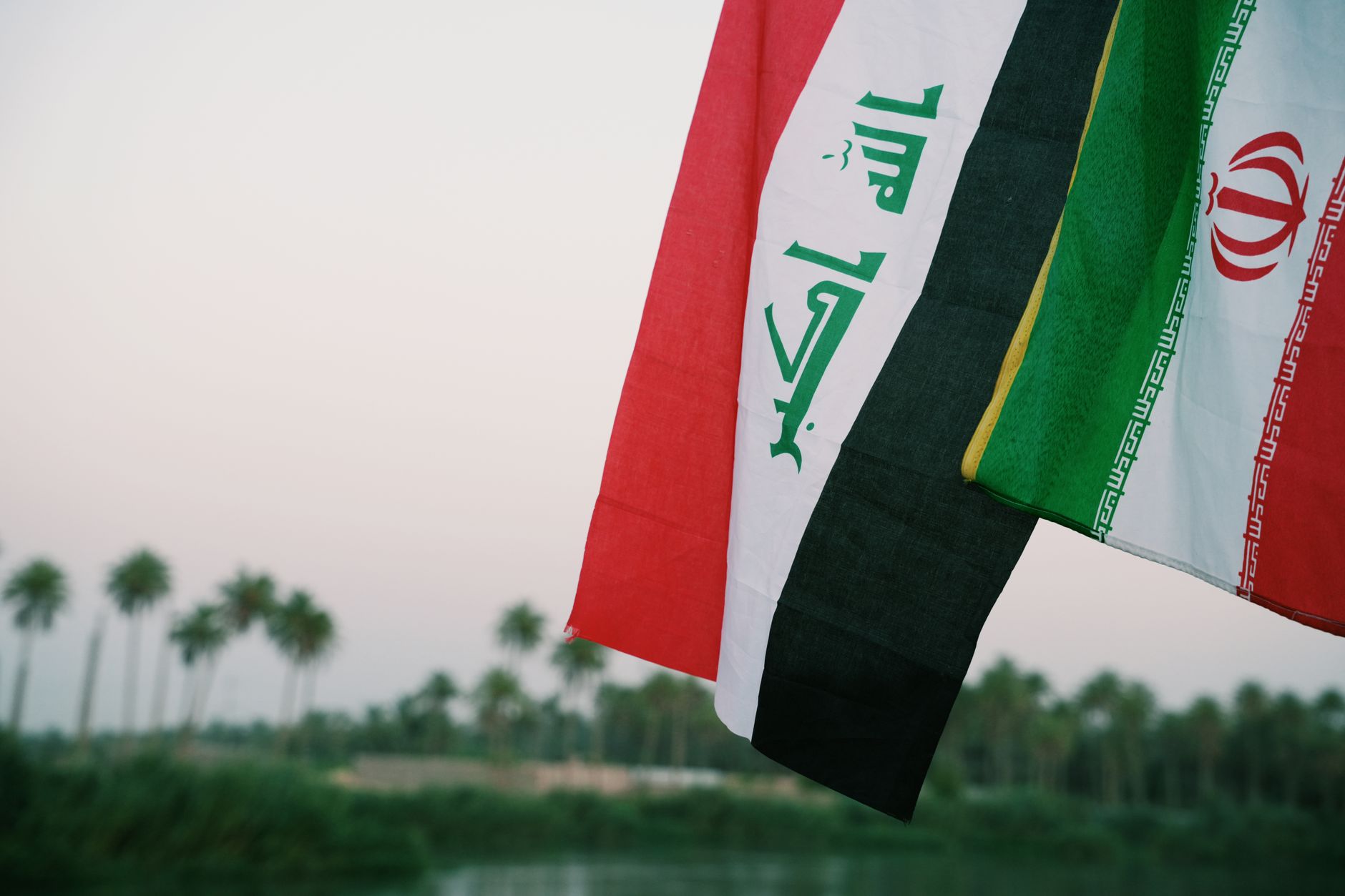
In the complex political geography of the Middle East, the Kurdistan Democratic Party (KDP) and the Barzani family have long been at the center of debates regarding 'statecraft'. Recent developments, as reported by sources like Kurdistan24, prove that the KDP is not merely a local actor but a power center utilizing the intricacies of regional diplomacy. Statecraft here is not just a form of governance but a strategy for survival and sovereignty.
The fine line between the claim of political powers to be 'servants' of the people and the survival of the state finds concrete expression in the political practice of the Barzanis. In particular, the pragmatic path pursued by the KDP in its relations with the central government in Iraq is seen as a rational manifestation of statecraft. This process represents a political vision blended with institutionalization efforts, rather than just a family-run administration.
Recent messages regarding a 'terror-free Turkey' and the search for regional security make the KDP's place in this equation even more critical. The concept of 'great statecraft' emphasized by political figures like Abdullah Güler can be read as a reflection of the balance policy that the KDP has been trying to implement in the region for years. The interdependence of regional actors brings with it the most difficult tests of the art of diplomacy.
Background of the Development
The political journey of the Barzanis is an important part of the discussions on authoritarian statecraft, which have persisted from the Ottoman era to the present day. Historically, the transition from a tribal structure to a modern political organization is an indicator of how the KDP has internalized statecraft. The concept of 'statecraft', shaped in the shadow of historical ruptures such as the minority policies in Turkey in the autumn of 1938, is now being reinterpreted with an Erbil-based diplomatic language.
Past conflicts and alliances explain why the KDP attaches so much importance to the 'art of diplomacy' today. The tension between statecraft and the interests of the ruling power is a fundamental topic of discussion not only in Turkey but also in the Kurdistan Region of Iraq, as in all countries in the region. However, the KDP prefers to use institutional diplomacy as a shield to manage this tension.
Especially as seen in the case of Azerbaijan, the emphasis on intelligence and sovereignty finds its place in the KDP's security doctrine. Statecraft is not just a management style; it is also an indispensable tool for the protection of borders, economic independence, and the establishment of international legitimacy. The Barzanis are striving to create an 'island' in the unstable environment of the region by using this tool.
Expert and Industry Insights
Regional experts describe the diplomacy practiced by the KDP as a 'realistic statecraft'. The views of industry analysts and political scientists converge on the following points:
- The KDP's art of diplomacy is based on a 'statecraft' model that centers on negotiation rather than conflict.
- In the regional security architecture, the role of the Barzanis strengthens the bridge between central governments and local administrations.
- It is stated that economic stability is an integral part of statecraft and that energy diplomacy plays a critical role at this point.
Experts emphasize that the concept of 'statecraft' should not be seen as a 'cliché', but rather as a concrete state practice. The 'meeting of the nation's wisdom and statecraft', as voiced in outlets like TRT Haber, also explains the relationship the KDP has established with its own base. This is an effort to harmonize the expectations of the people with the strategic goals of the state.
Political analysts define the KDP's foreign policy as a 'multi-dimensional balance game'. This game is played not only with neighboring countries but also with global powers. Statecraft acts as a compass here, preventing the KDP from drifting and enabling it to focus on long-term goals.
Economic and Social Implications
The economic reflections of statecraft directly affect the investment climate in the region. The KDP's stable administration increases the confidence of foreign capital in the region. However, this situation sometimes triggers the tension between statecraft and the interests of the ruling power. The distribution of resources and budget management are the areas where this tension is most concretely experienced.
From a social perspective, the emphasis on 'statecraft' aims to create a sense of belonging in society. The public's trust in the state depends on how rationally and fairly this wisdom operates. At this point, the KDP is trying to go beyond the tribal structure by building an institutional identity. This is a vital step for the sociological transformation of the region.
Employment and development projects are the most concrete indicators of statecraft. The KDP aims to become an economic power center by utilizing its energy resources. This goal offers an economic window of opportunity not only for the people of the region but also for neighboring countries. However, the sustainability of this opportunity depends on how consistently statecraft is applied.
Future Projections and Outlook
In the coming period, the KDP is expected to further deepen its 'statecraft' strategy. The resolution of regional security problems will be possible not only through military methods but through the subtleties of the art of diplomacy. The steps taken by the Barzanis in this regard will determine the political map of the region in the future.
Regional cooperation summits on the official calendar will show how the KDP will institutionalize this diplomacy. Possible risks include the competition of regional powers and internal political imbalances. However, the KDP will continue to use 'statecraft' as a shield to manage these risks.
In conclusion, the Barzanis and the KDP are shaping not only their own future but also the fate of the region with statecraft and the art of diplomacy. This process is a long journey that requires patience, strategy, and determination. The people of the region and the international community will continue to closely monitor the results of this journey.
💬 Yorumlar 0
Henüz yorum yapılmamış. İlk yorumu siz yazın!



















