Strategic Communication Bridge Between Türkiye and Pakistan: A New Era in Combating Disinformation
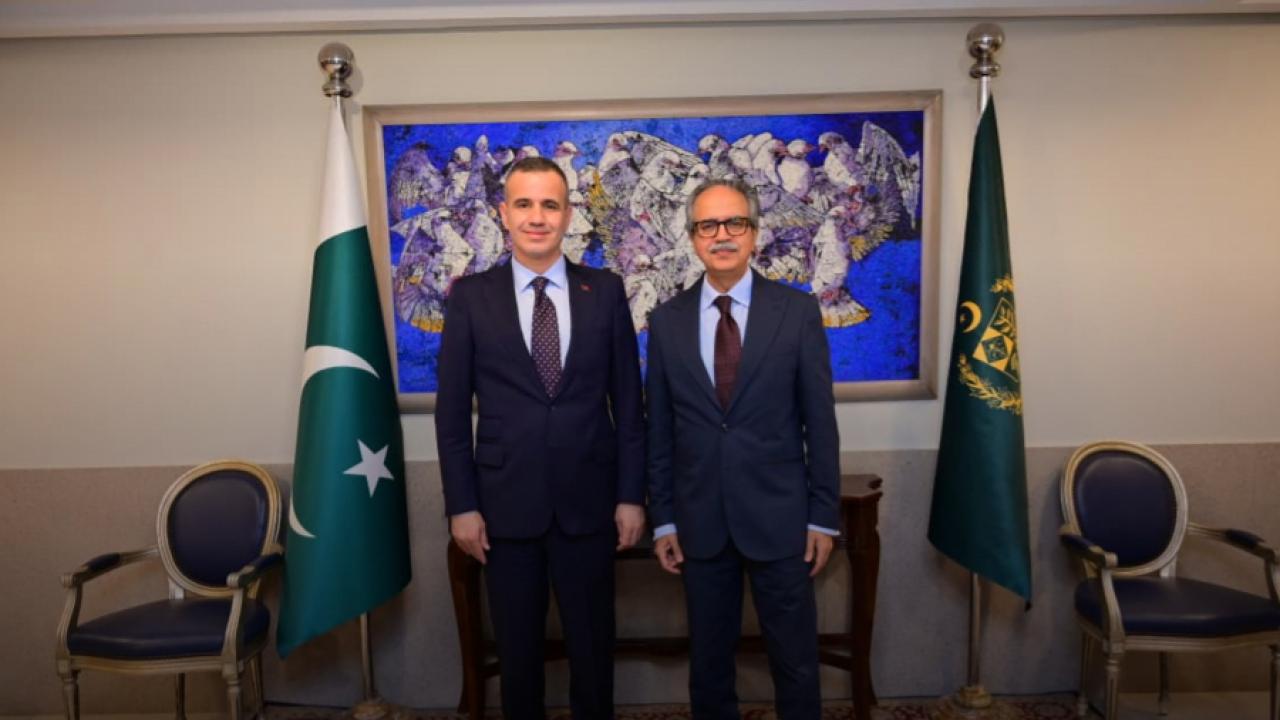
The Republic of Türkiye’s Directorate of Communications has conducted significant high-level meetings in Islamabad, Pakistan, as part of its vision to strengthen strategic communication capabilities on the international stage. A delegation led by Deputy Head of Communications Ferhat Pirinççi held critical talks with Pakistan’s Foreign Ministry Additional Secretary Asim Iftikhar Ahmad, Prime Minister Shehbaz Sharif’s Digital Media Advisor Fahd Haroon, and Minister of Information and Broadcasting Attaullah Tarar. This visit aims to elevate the deep-rooted friendship between the two nations into the realms of strategic communication and information security, which are essential requirements of the digital age.
At the center of these discussions were the disinformation campaigns and digital threats that both countries face in the international arena. The expertise and institutional infrastructure developed by the Turkish Directorate of Communications were shared with Pakistani counterparts, leading to an agreement to establish a joint defense mechanism. Increasing institutional coordination to prevent the spread of manipulative content on digital platforms emerged as one of the most concrete outcomes of the visit.
Background of the Development
While relations between Türkiye and Pakistan have historically been built on the foundation of "brotherhood," the geopolitical realities of the 21st century necessitate placing these ties within a robust institutional framework. The STRATCOM activities conducted by the Directorate of Communications are part of Türkiye's strategy to utilize soft power elements to inform the global public accurately. Pakistan, with its strategic location in South Asia and its experience with similar regional challenges, serves as a natural ally for Türkiye.
Previously characterized primarily by defense industry and political cooperation, bilateral relations have begun to deepen in the fields of media and communication in recent years. The need for both countries to develop a common narrative to protect their national interests in an increasingly digitized world served as the primary motivation for this visit. The delegation’s visit to Islamabad is viewed as the first step in a process to transform this need into a formal cooperation protocol.
This process also aligns with Türkiye's desire to elevate its experience in combating disinformation to an international dimension. Pakistan's transformation efforts in the digital media ecosystem and Türkiye's strategic communication vision were harmonized during the meetings in Islamabad. This indicates that the two countries are evolving into a structure that supports each other not only politically but also in terms of information security and media ethics.
Expert and Industry Insights
Experts in international relations and media interpret this cooperation through the concept of "information sovereignty." According to experts, strategic communication has become an inseparable part of the national security policies of states. The effort by Turkish and Pakistani officials to develop a common language creates a proactive defense line against the disinformation risks posed by global digital platforms.
Industry representatives and communication strategists summarize the concrete impacts of this cooperation as follows:
- Accelerating the dissemination of accurate information through joint content production on digital media platforms.
- Establishing early warning systems and data sharing mechanisms to combat disinformation.
- Strengthening the bonds between the peoples of the two countries through joint documentary and cultural content projects.
- Implementing joint training programs on digital media literacy.
- Creating a narrative unity that defends the common interests of Türkiye and Pakistan on international platforms.
Experts state that this initiative could serve as a model not only for the two countries but for the entire Islamic world. It is emphasized that the joint mechanisms to be developed by Türkiye and Pakistan against the algorithmic manipulations of digital platforms could serve as a reference point for other developing nations.
Economic and Social Implications
The economic implications of this strategic cooperation will bring new business opportunities in the media and content production sectors. Joint documentary and cultural content production will provide significant added value to the media sectors of both countries while simultaneously accelerating tourism and cultural diplomacy. Cooperation in the digital media field may also pave the way for joint projects in technological infrastructure and software development.
Socially, the emotional bond between the two nations is expected to be further strengthened by the flow of accurate and reliable information. Increased interaction between the younger generations on digital platforms will enhance social engagement. Minimizing the polarization and false perceptions created by disinformation through such institutional cooperation is of critical importance for maintaining social harmony.
Furthermore, this cooperation will enhance the "soft power" capacity of both countries in the international arena, helping them project a more reliable and stable image to investors and international stakeholders. An environment where information security is ensured is one of the cornerstones of economic stability.
Future Projections and Outlook
In the coming period, it is expected that more concrete and technically oriented working groups will be established between the Directorate of Communications and its Pakistani counterparts. These groups will focus on the harmonization of digital media policies, cybersecurity, and technologies for combating disinformation. Additionally, the scheduling of projects such as the establishment of a joint "media monitoring center" may come to the agenda.
The formal process will proceed through the active use of diplomatic channels between the two countries and will be monitored through high-level meetings held at regular intervals. The success of this cooperation will be measured not only by rhetoric but by the quality of the content produced in the field and its impact on digital platforms. Türkiye aims to maintain its leadership role in this process, transforming its experience in strategic communication into a regional power multiplier.
In conclusion, this strategic communication move between Türkiye and Pakistan is not merely a media collaboration but a "common sense" project developed against the challenges brought by the digital age. It is highly likely that we will see the fruits of this cooperation in the coming years through a more balanced and accurate flow of information in the international public sphere.
💬 Yorumlar 0
Henüz yorum yapılmamış. İlk yorumu siz yazın!



















