Strategic Power Projection: Turkish Air Force Completes Mogadishu-Bandirma Deployment
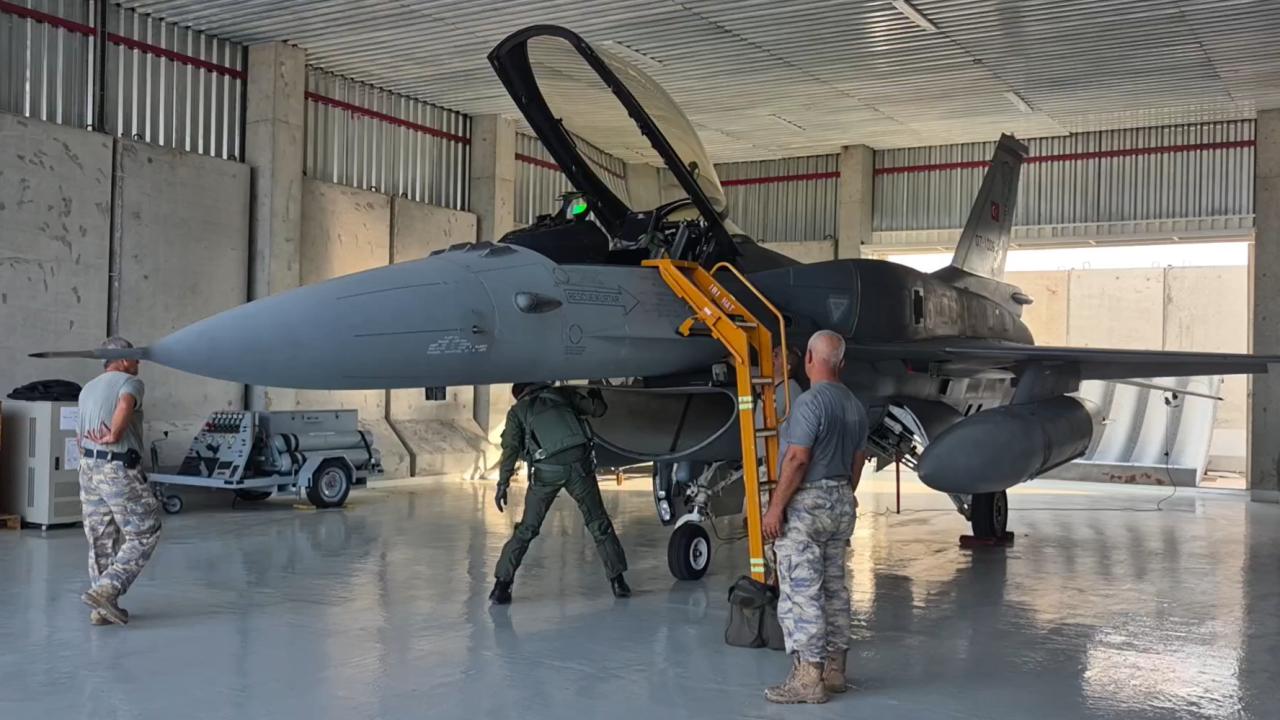
The Turkish Air Force has achieved a rare operational milestone, successfully completing the deployment of F-16 fighter jets stationed in Mogadishu, Somalia, to Bandirma in a record time of 55 hours. This mission was not merely a flight, but a comprehensive logistical and operational triumph that demonstrates Turkey's intercontinental operational flexibility and strategic power projection capacity. The heroic Turkish aviators have once again proven their steel wings and iron will, establishing a security bridge from East Africa to Anatolia.
The operation is viewed as a vital component of Turkey's presence in the region and its unwavering support for Somalia's stability. The ability of the Turkish Air Force to cover such a vast distance without compromising operational readiness highlights the professional level reached by Turkish military doctrine. The deployment process served as a rigorous test of logistical excellence, particularly in terms of aerial refueling and the coordination of ground support units.
Background of the Development
Military cooperation between Turkey and Somalia reached a new dimension with the opening of the TURKSOM Military Training Base in Mogadishu in 2017. This base not only contributes to the modernization of the Somali army but also solidifies Turkey's strategic footprint in East Africa. The presence of F-16s in the region represents the air power pillar of this bilateral cooperation.
Historically, the Turkish Air Force is recognized as a force with NATO-standard long-range deployment capabilities. However, this transit from a logistically challenging geography like Mogadishu to Bandirma has set a new benchmark for operational range and sustainability. Similar missions conducted in the past should be interpreted as the military reflections of Turkey's transformation from a regional power into a global actor.
The deployment process was a multi-layered undertaking requiring the seamless integration of flight crews, maintenance teams, supply chains, and command-and-control personnel. The 55-hour duration is a testament to the flawless execution of all phases, from planning to implementation. This success reaffirms the Turkish Air Force's commitment to the principle of being ready 'anytime, anywhere.'
Expert and Industry Insights
Defense industry analysts define this deployment as a test of Turkey's 'strategic power projection' capacity. Aviation experts emphasize that such operations involve not only flying aircraft but also managing airspace, securing diplomatic clearances, and overseeing complex logistical support chains.
Key insights from industry representatives include:
- The operational efficiency of Turkey's aerial refueling (tanker aircraft) capacity has been validated.
- Management of pilot fatigue and aircraft maintenance during long-range flights demonstrates the high training standards of the Turkish Air Force.
- Turkey's deterrent power within the security architecture of East Africa has been significantly enhanced.
- Successful implementation of international military cooperation protocols has strengthened Turkey's diplomatic leverage.
- Operational sustainability increases Turkey's capacity to intervene in regional crises.
Experts note that this success is the result of the Turkish defense industry's infrastructure, supported by indigenous and national systems. The seamless operation of software and communication systems during such a long deployment highlights the critical importance of technological independence.
Economic and Social Implications
The economic impact of this operation directly influences Turkey's market share in defense exports and military training. Defense industry cooperation with Somalia enhances Turkey's reliability in the African market while providing an opportunity to test indigenous defense products in real-world scenarios.
From a social perspective, the event is seen as a development that reinforces the Turkish public's trust in their armed forces. The emphasis on 'steel wings' serves as a source of national pride, while the steps taken to preserve stability in the region demonstrate the integrity of Turkey's humanitarian and military aid efforts.
In terms of market dynamics, such operational successes elevate the brand value of Turkish defense companies on the international stage. This plays a critical role in achieving Turkey's long-term defense export targets.
Future Projections and Outlook
In the coming period, it is expected that the Turkish Air Force will incorporate such strategic deployments into its routine training activities. The integrated use of unmanned aerial vehicles (UAVs) and manned fighter jets will open a new chapter in Turkey's air operations doctrine.
Official processes will focus on analyzing the data obtained from this operation to further shorten deployment times in future missions. Regarding risk management, new logistical methods developed to overcome climatic and geographical challenges will be permanently added to the Turkish Air Force's inventory.
In summary, this 55-hour success on the Mogadishu-Bandirma line has solidified Turkey's decisive role in the regional security architecture. It is anticipated that Turkey's defense diplomacy and military capacity will attract even greater global attention in the near future.
💬 Yorumlar 0
Henüz yorum yapılmamış. İlk yorumu siz yazın!



















