The Colors of Winter in Lake Van: The Mystery of Flamingos Remaining and Ecosystem Dynamics
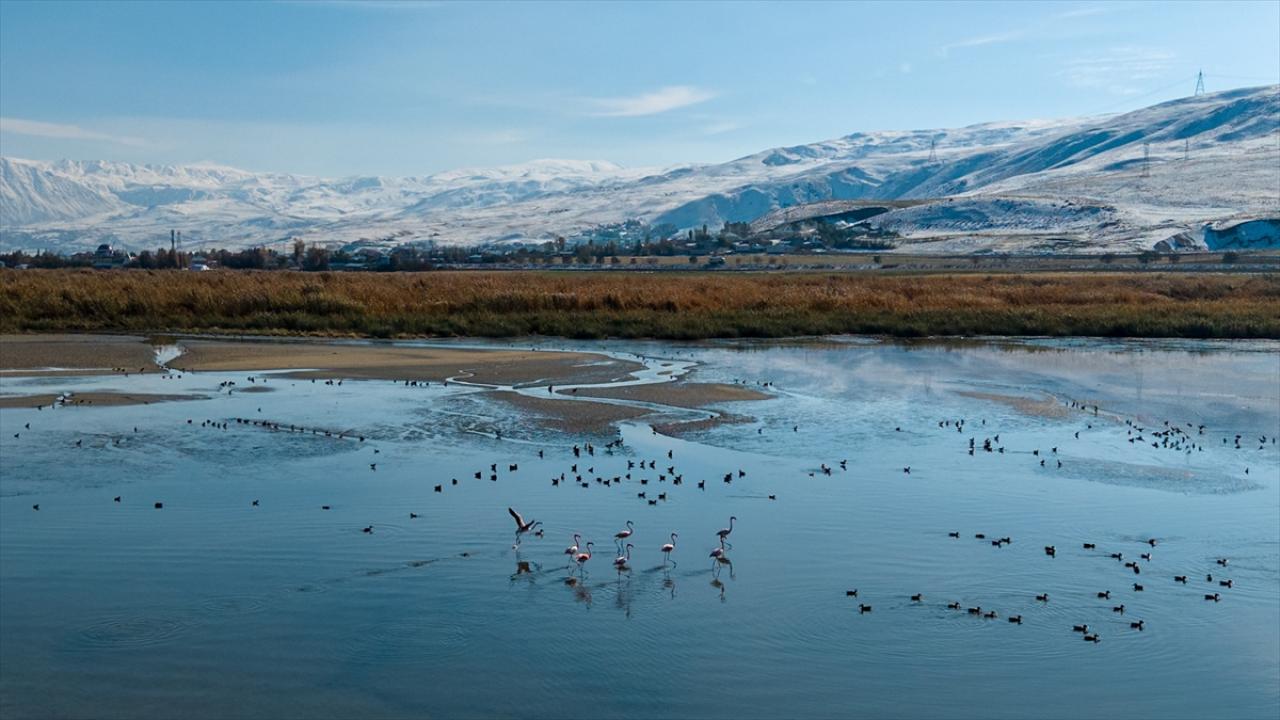
The Lake Van basin is experiencing some of the harshest days of the winter season, yet nature is hosting a scene far from the ordinary. As heavy snowfall covers the high mountains surrounding Lake Van in a white blanket, a riot of color is unfolding on the lake's surface. Under normal circumstances, flamingos are expected to migrate to warmer climates during winter; however, they have chosen to remain in the basin, feeding in the shallow parts of the lake despite the freezing weather. The dramatic backdrop of snow-capped mountains combines with the flamingos' characteristic pink hues to create a unique visual composition.
While this situation offers a mesmerizing view for locals and nature photographers, it is also being evaluated as a remarkable ecological phenomenon. This deviation or delay in the flamingos' migration routes proves once again how dynamic the region's climatic and biological structure truly is. Lake Van is not merely a body of water; it remains a vital stopover point for thousands of bird species.
Background of the Development
The Lake Van basin is recognized as one of Turkey's most important wetlands. For flamingos (Phoenicopterus roseus) in particular, the region is not just a transit route but a critical feeding and resting area. Historically, the presence of flamingos in the region has been directly linked to fluctuations in the lake's water levels and climatic factors. Global climate change in recent years has directly impacted the migratory habits of these birds.
The shallow areas around the lake are rich in small invertebrates and algae, which serve as the primary food source for flamingos. Especially in winter, the fact that the lake does not freeze or that certain areas remain temperate allows the birds to conserve energy. When historical data is analyzed, observations indicating that the flamingos' stay in the region has lengthened demonstrate that the food chain balance in the ecosystem is working in favor of the birds.
The soda-rich water structure of Lake Van, unlike other lakes, helps flamingos rid themselves of parasites and enjoy a healthier breeding season. This biological advantage is one of the fundamental elements that increase the birds' loyalty to the region. The scene following the snowfall stands as one of the most concrete examples of nature's effort to maintain its own balance.
Expert and Industry Insights
Ornithologists and ecology experts explain the flamingos' decision to remain in the region in the middle of winter through the concepts of 'climatic adaptation' and 'food accessibility.' According to experts, the fact that the flamingos have not migrated indicates that the region's microclimate characteristics remain favorable for the birds.
- Abundance of food: Algae found in the shallow parts of the lake are sufficient to meet the energy needs of the flamingos despite the cold weather.
- Microclimate effect: The massive water body of Lake Van balances the surrounding air temperature, creating a 'heat island' for the birds.
- Changes in migration routes: Global warming is reshaping the migratory instincts and routes of birds.
- Safe haven: The region serves as a secure sanctuary for birds due to low hunting pressure and its protected status.
- Biodiversity: The fact that flamingos remain in the region is the greatest indicator that the integrity of Lake Van's ecosystem is being preserved.
Industry representatives state that this situation also holds great potential for regional tourism. Experts who argue that winter tourism should not be limited to skiing emphasize that 'nature observation tourism' should be a strategic priority for Van.
Economic and Social Implications
The fact that flamingos remain in the region even in winter contributes directly to Van's tourism vision. The interest of photography enthusiasts in the region during winter months creates activity in the local economy. The development of nature tourism opens new revenue streams for the accommodation and transportation sectors in the region.
From a social perspective, this situation strengthens the local population's sense of belonging to nature. The protection and observation of flamingos help increase environmental awareness and encourage local residents to take ownership of the ecosystem. Support from local administrations for this process facilitates the branding of the region as a 'nature-friendly' destination.
However, it is vital that necessary inspections are carried out to ensure that increasing human interest does not disturb the birds' natural habitats. Within the framework of sustainable tourism principles, the 'observation points' designated for bird watching must be managed professionally.
Future Projections and Outlook
In the coming period, it is expected that academic studies will increase to monitor the migration habits of flamingos in more detail. Mapping the movements of the birds, especially through satellite tracking systems, will create a critical dataset for understanding the impacts of climate change.
It is expected that authorities will strengthen the 'absolute protection area' status of the shallow regions where flamingos are concentrated. This is the most important step to be taken to minimize the stress experienced by the birds during the winter months and to protect the population.
In conclusion, the flamingos at Lake Van represent a miracle offered by nature. The fact that these birds remain in the region even in winter is not just a natural event, but also proof of how resilient the ecosystem is as a whole. In the future, with the right conservation policies, Van can turn its potential into reality as a world-class bird-watching center.
💬 Yorumlar 0
Henüz yorum yapılmamış. İlk yorumu siz yazın!