The Heart of Climate Diplomacy Beats in Antalya: Final Day at COP31
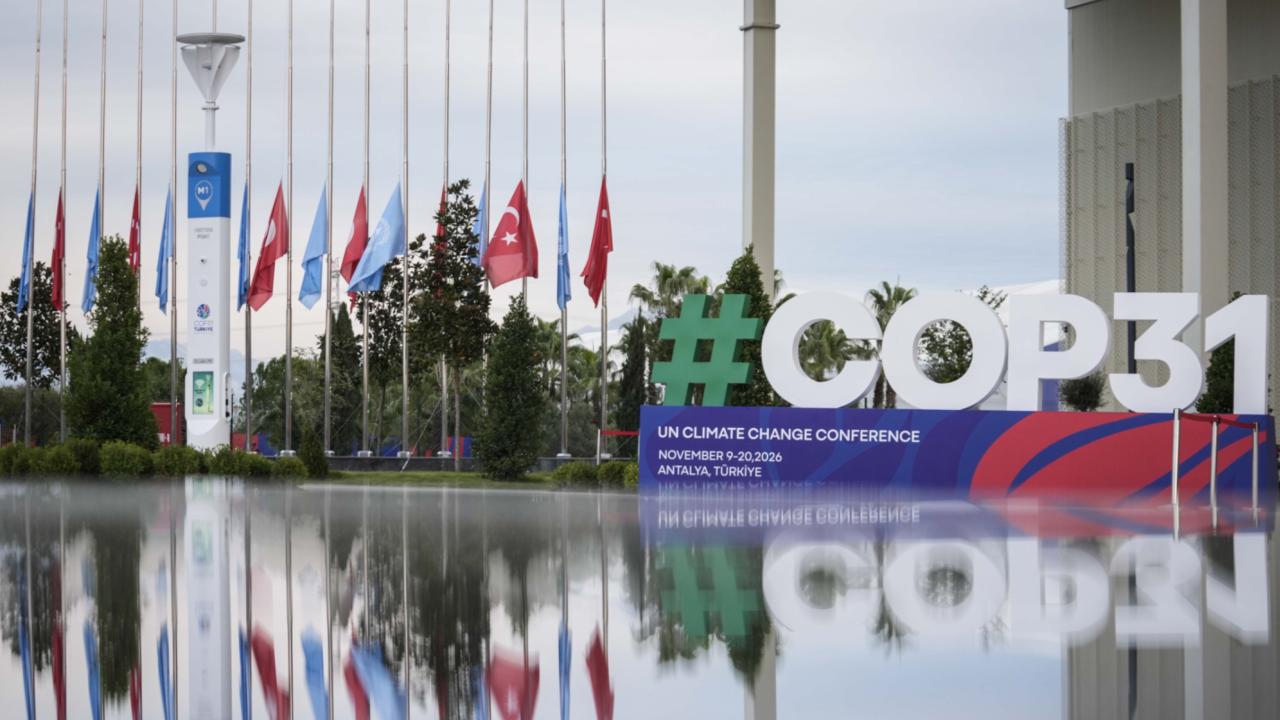
The 31st Conference of the Parties (COP31) to the United Nations Framework Convention on Climate Change (UNFCCC), one of the most critical steps taken toward solving the global climate crisis, reaches its final day in Antalya today. The summit, which began on November 9 in a massive 1.1 million square meter area with the participation of 196 countries and the European Union, stands on the brink of decisions that will shape the future of the planet. Final negotiations in the Blue Zone and programs themed around finance and incentives in the Green Zone highlight the vital importance of the goal to limit global temperature rise to 1.5 degrees Celsius.
While Minister of Environment, Urbanization and Climate Change Murat Kurum serves as the President of COP31, Australian Minister for Climate Change and Energy Chris Bowen leads the negotiation processes. In this challenging process where decisions are made by consensus, climate finance packages for developing countries and emission reduction commitments stand out as the most sensitive issues on the table. The joint declaration by previous COP presidents, from COP21 to COP30, supporting the COP31 presidency, stands as a rare example of institutional continuity in climate diplomacy.
Background of the Development
COP31 is positioned as a turning point in the fight against climate change. In a process questioning the feasibility of decisions made in previous summits and the effectiveness of financial mechanisms, this summit in Antalya draws attention with its focus on concrete action plans. Hosted by Turkey, this organization functions not only as an environmental summit but also as a platform where global geopolitical balances are redefined along the climate axis.
The most critical moment of the summit was the Leaders' Summit hosted by President Recep Tayyip Erdoğan on November 11-12. The participation of 95 world leaders from 6 continents and 7 international organization heads proved that the climate crisis is no longer just an environmental issue, but a security and existential matter. With 160 approved pavilions and 90 delegation offices, Antalya hosted the world's most intense diplomatic traffic for days.
Historically, the fight against climate change has often been hindered by the financial gap between developed and developing countries. However, COP31 created a model showing how regional collaborations can be integrated into global goals through bilateral agreements, such as the memorandum of understanding on environmental protection signed between Turkey and Uzbekistan. The concept of a "universal covenant of mercy to be signed between humanity and nature," emphasized by President Erdoğan, formed the philosophical foundation of the summit.
Expert and Industry Insights
Industry representatives and climate experts describe the results of COP31 as the "most concrete step of the transition period." According to experts, the clarification of financial packages will be the most important catalyst to accelerate private sector green transition investments. Technical assessments agree that emission reduction targets must no longer remain just on paper.
- Facilitating access to climate finance for developing countries is essential for global justice.
- The 1.5-degree goal necessitates a radical decarbonization of energy systems.
- The private sector is expected to shift toward green technology investments supported by government incentives.
- International cooperation mechanisms must be made more effective for technology transfer.
- Nature-based solutions must be placed at the center of emission reduction strategies.
Experts state that President Erdoğan's call to "stop the greedy mentality that sacrifices ecology for economy" is a new paradigm for sustainable development models. The emphasis on the "ecocide" in Gaza serves as a reminder that the devastating impact of the climate crisis in conflict zones should find more space in international law.
Economic and Social Implications
The economic implications of COP31 extend beyond carbon markets to a wide range of areas, from global supply chains to energy prices. Incentive packages discussed in the Green Zone have the potential to create millions of new jobs in the renewable energy sector. Socially, issues such as migration and food insecurity caused by climate change were high on the summit's agenda.
Turkey's hosting of this summit strengthened the country's strategic position regarding green finance and technology transfer. President Erdoğan's bilateral meetings reinforced Turkey's role as a mediator in climate diplomacy while allowing for the restructuring of economic collaborations within a climate-friendly framework. Steps to be taken in areas such as agriculture and water management will increase social resilience.
Future Projections and Outlook
Following COP31, eyes will turn to how the decisions made will be reflected in national legislations. In the coming period, countries are expected to update their "Nationally Determined Contributions" (NDCs) and set more ambitious emission reduction targets. Risks include the failure to fulfill financial commitments or geopolitical tensions overshadowing climate cooperation.
The official process will enter a new phase with the "Antalya Declaration" to be published at the end of the summit. This declaration will serve as the constitution for the fight against climate change in the coming years. With the experience gained from COP31, Turkey will continue to play a more active role in global climate governance.
💬 Yorumlar 0
Henüz yorum yapılmamış. İlk yorumu siz yazın!



















