Transfer Fever in BSL: 2026-2027 Season Rosters Taking Shape
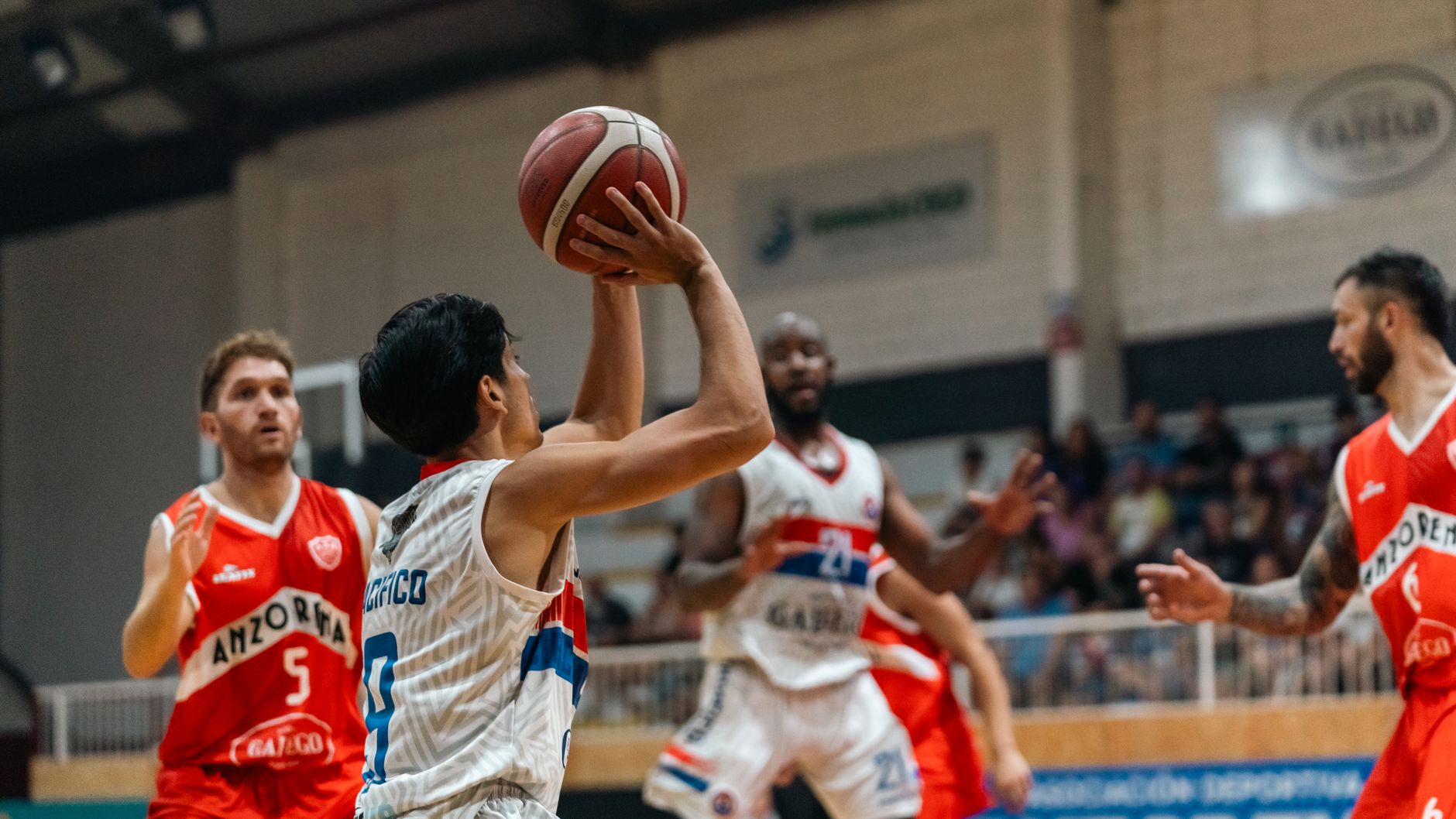
The 2026-2027 season of the Turkish Basketball Super League (BSL) is witnessing intense competition, shaped by the strategic moves and roster restructuring of the clubs. According to data from Basketfaul, the transfer activity that has been ongoing since the summer period highlights the efforts of teams to strengthen their domestic rotations and make precise choices in their foreign player selections. The competitive structure of the league is being shaped by the efforts of teams, especially those competing in the EuroLeague and European cups, to balance budget discipline with sporting success.
As the transfer window approaches its end, the steps taken by clubs to complete their rosters are being closely followed by fans. The fact that established clubs like Fenerbahçe Tarfin have started general sales for their season tickets and are focusing on roster engineering that will fill the arenas is an indicator of the league's economic and sporting vitality. The 2026-2027 season stands out not only with player transfers but also with the integration of young talents from the youth academies into the A-teams.
This activity in the BSL is not limited to on-court performance but also directly affects the brand value of the league. The strategies of the clubs during the transfer period are aimed at maximizing fixture advantages and minimizing injury risks for the remainder of the season. The negotiations, which have gained momentum towards the end of the summer transfer window, are considered a critical threshold that will determine the power balances in the first weeks of the league.
Background of the Development
Before the 2026-2027 season, clubs determined their transfer policies by analyzing the data from the previous season. Data from Basketfaul shows that transfer activity has been progressing systematically since June. The efforts of teams promoted from the TBL to the BSL to build roster depth have been one of the main factors increasing the overall transfer volume in the league.
Economic fluctuations and exchange rate differences experienced in previous seasons have forced clubs to follow a more cautious transfer strategy. This has led clubs to turn to free agents and star players whose contracts have expired instead of paying high transfer fees. In this sense, the 2026-2027 season is going down in history as a period when 'smart transfers' have reached their peak.
Statute changes determined by the TFF and relevant basketball authorities have re-regulated the requirements and incentives for playing domestic players, both in men's basketball and in women's leagues. These regulations directly affected the transfer lists of the clubs, leading to significant activity in the domestic player market. Clubs have conducted a meticulous screening process to make the most efficient use of their foreign player quotas.
Expert and Industry Insights
Basketball authorities and sports economists define the 2026-2027 season transfers as focused on 'sustainable success.' Experts emphasize that it is critical for the future of the league that clubs focus not only on short-term success but also on long-term financial structure.
- The budget discipline of the clubs directly affects the quality of the transfers.
- Expanding the pool of young players increases the competitiveness of the BSL in Europe.
- Moves made in the final days of the transfer window usually involve 'joker' player preferences.
Industry representatives state that the success of clubs like Fenerbahçe Tarfin in season ticket sales is directly reflected in their transfer budgets. The transformation of fan support into financial power is considered one of the most important factors strengthening the hands of clubs at the transfer table.
Analysts state that this season's transfer period has been quite productive and that teams have built rosters that are equal to each other. Especially the moves made by mid-table teams provide strong signals that the gap between the bottom and top of the league will narrow.
Economic and Social Implications
Transfer activity directly affects not only the sports community but also the sports economy. The expenditures made by the clubs provide a significant cash flow to the local economy and the sports industry. Revenues from season ticket sales finance a significant portion of the expenditures during the transfer period.
From a social perspective, transfers stand out as elements that increase fan loyalty and nourish the basketball culture in cities. The arrival of new transfers in the city creates great interaction in local media and social platforms. This proves once again the social unifying power of basketball.
On the other hand, the competition experienced by clubs during the transfer period also triggers sponsorship agreements. Strong rosters mean more media visibility and therefore higher sponsorship revenues. This cycle solidifies the BSL's place among the most prestigious leagues in Europe.
Future Projections and Outlook
In the coming period, it is expected that teams will focus on on-court harmony processes with the closing of the transfer window. The fact that the transfer season is coming to an end according to the official calendar shows that clubs must now plan the season with their current rosters. In case of possible injuries, flexibilities within the framework of transfer window rules will be evaluated.
The expectation for future seasons is that clubs will further increase their investments in youth academies. High costs in the transfer market encourage clubs to raise their own stars. This strategic transformation will be the key to the long-term success of the BSL.
In conclusion, the 2026-2027 season BSL transfers are recorded as a successful period in which both sporting competition and financial discipline are carried out together. The performance that teams will reflect on the court will clearly reveal the accuracy of these transfers at the end of the season.
💬 Yorumlar 0
Henüz yorum yapılmamış. İlk yorumu siz yazın!



















