Turbulent Times in the Gold Market: A New Day Under the Shadow of Fed's Hawkish Stance and Geopolitical Developments
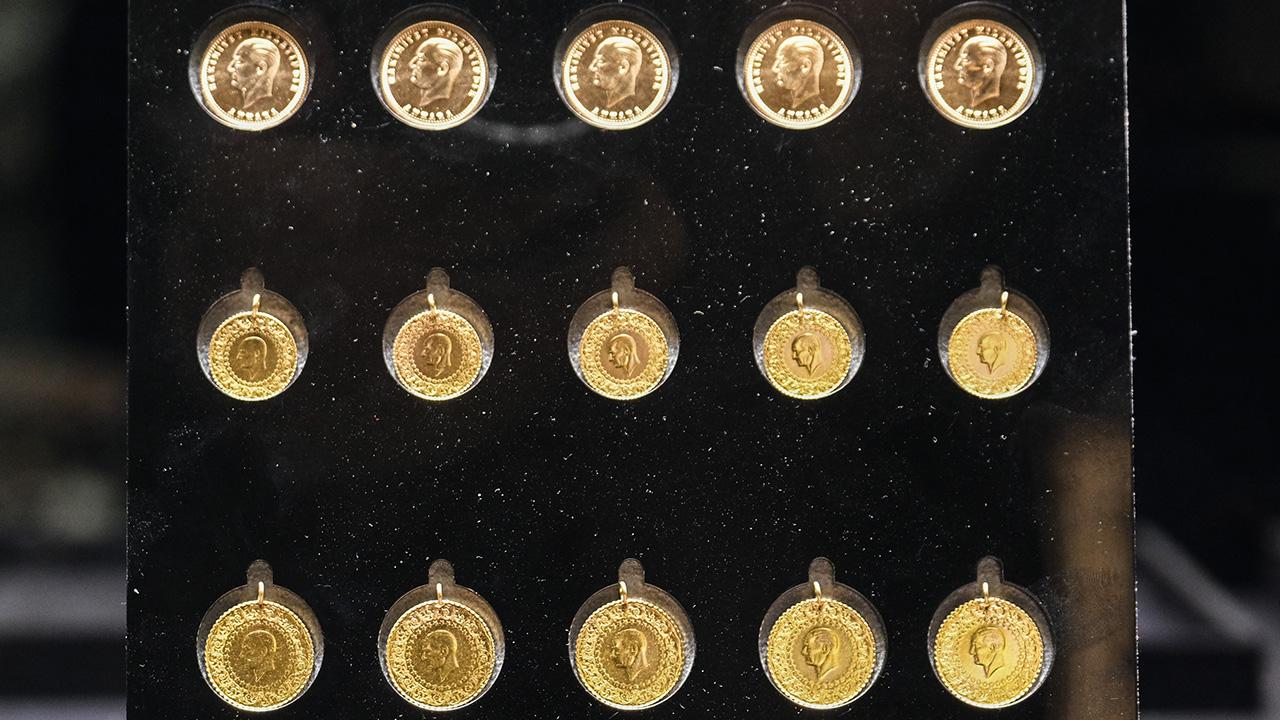
Global markets are witnessing highly volatile movements driven by uncertainties regarding the US Federal Reserve's (Fed) monetary policy and ongoing geopolitical developments. The gold market, as one of the most significant asset classes, remains at the center of this turbulence. After finishing yesterday with a 3.13% loss at 6,040 Lira, gram gold made a bullish start to the new day. As of 09:50 AM, it is trading at 6,062 Lira, marking a 0.4% increase and continuing to command the attention of investors. At the same time, quarter gold is being sold at 10,115 Lira, while the Republic gold coin stands at 41,295 Lira.
The ounce price of gold, which dropped by 3.2% to $3,714 yesterday due to the Fed's hawkish tone, is now attempting to stabilize around $3,735, reflecting a 0.3% recovery. This market activity mirrors both the expectations regarding future global interest rates and the 'safe haven' effect of gold amidst geopolitical risks.
Background of the Development
The root cause of this sharp fluctuation in gold prices lies in the messages delivered in the minutes of the latest Federal Reserve meeting. The minutes underscored a firm commitment to reducing inflation to the 2% target, emphasizing that additional interest rate hikes might be necessary. The suggestion by some members that a hike exceeding 25 basis points could be on the table caused the dollar to strengthen globally, thereby pressuring the non-yielding ounce price of gold.
Historically, the Fed's tightening cycle has always been a test for gold. A high-interest-rate environment increases the opportunity cost of holding gold, driving investors toward interest-bearing instruments such as the dollar and bonds. Yesterday's 3.2% decline was a direct consequence of the market attempting to price in this 'hawkish' stance.
However, markets are not shaped solely by Fed decisions. Statements made by US President Donald Trump at the Asia-Pacific Economic Cooperation (APEC) Summit shifted the balance instantly. Trump's emphasis on US-China cooperation to ensure the smooth flow of energy through the Strait of Hormuz alleviated geopolitical risk perceptions. This optimism regarding the potential reduction of inflationary concerns prompted investors to shift their focus back to gold.
Expert and Industry Insights
Market analysts characterize the current state of gold prices as a 'recovery following a temporary correction.' According to experts, the trend of central banks increasing their gold reserves remains one of the most significant structural supports limiting downward movements in prices. In particular, gold purchases by central banks of emerging economies continue to create a long-term floor for the ounce price.
Key points highlighted by industry representatives and market experts include:
- Uncertainties regarding the Fed's interest rate path will continue to increase short-term volatility.
- The persistence of geopolitical risks (such as the Strait of Hormuz) keeps gold's 'safe haven' status alive.
- The appetite of central banks for gold buying acts as an insurance policy, preventing sharp downward breaks in prices.
- Macroeconomic data from the US (jobless claims and manufacturing index) will directly affect gold prices via the dollar index.
- Inflation data coming in above expectations could support the Fed's hawkish stance, putting pressure on gold.
Analysts note that investors should focus today on the weekly money and banking statistics from the Central Bank of the Republic of Türkiye (CBRT). Internationally, the Eurozone's September current account balance, the US November Philadelphia Fed manufacturing index, and weekly jobless claims are among the critical data points that will determine the direction of the markets.
Economic and Social Implications
This volatility in gold prices concerns not only financial markets but also household savings preferences and the local economy. In Türkiye, gold is viewed beyond a traditional investment vehicle; it is seen as a protective shield against inflation. While sharp declines in gram gold are perceived as buying opportunities for small investors, sudden spikes in prices directly impact liquidity flow and activity in the jewelry sector.
On a global scale, the trajectory of gold prices is directly linked to energy costs and the financing of global trade. The fact that statements regarding strategic transit points like the Strait of Hormuz affect gold prices proves once again how sensitive the market is to energy supply security. Potential stability in energy prices could reduce inflationary pressures, thereby easing the pressure on central banks to raise interest rates.
Meanwhile, this environment of uncertainty causes investors to act more cautiously. Both individual and institutional investors are following macroeconomic data more closely to anticipate the Fed's next move. This leads to fluctuations in market trading volumes, which occasionally narrow or expand suddenly based on specific news flows.
Future Projections and Outlook
The fundamental factor that will determine gold prices in the coming period will be how data from the US economy influences the Fed's interest rate decisions. If data such as jobless claims and the manufacturing index point to a slowdown in the economy, it may be expected that the Fed will slow the pace of its interest rate hikes. This scenario would imply an upward momentum for gold prices.
On the risk side, an escalation of geopolitical tensions or a resurgence of global trade wars could increase the safe-haven demand for gold. However, the Fed's maintenance of its 'higher for longer' strategy will continue to exert pressure on the ounce price of gold. For investors, the coming days are critical, both for tracking technical levels and for monitoring verbal guidance from central bank officials.
In conclusion, the gold market stands at the intersection of global macroeconomic balances and geopolitical developments. It is essential for investors to develop strategies based on long-term trends and the monetary policy stances of central banks, rather than short-term speculative movements, during this period of high market volatility.
💬 Yorumlar 0
Henüz yorum yapılmamış. İlk yorumu siz yazın!



















