Turkey and 14 Nations Back Sanctions Against Israel: A Stand for International Law
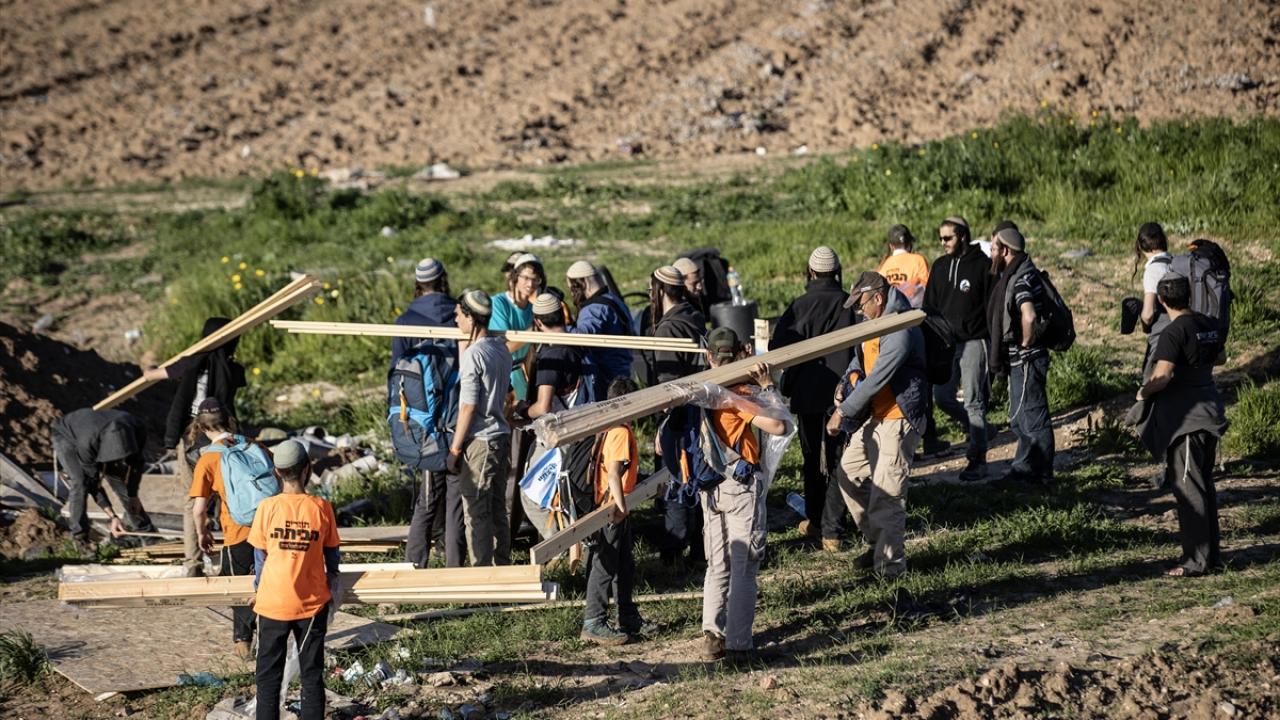
In a significant diplomatic move, 15 nations, including Turkey, have issued a joint statement supporting the recent sanctions imposed by the United Kingdom and Australia against Israel. These sanctions target illegal settlement activities in the occupied Palestinian territories and entities that obstruct the delivery of humanitarian aid to Gaza. The statement, signed by the foreign ministers of Turkey, the UAE, Algeria, Indonesia, Palestine, Qatar, Kuwait, Libya, Maldives, Egypt, Niger, Pakistan, Somalia, Saudi Arabia, and Jordan, marks a unified front against the expansionist policies that threaten the viability of a future Palestinian state.
The declaration goes beyond mere rhetoric, serving as a firm call for the international community to uphold the rule of law. The ministers emphasized that accountability is essential, particularly regarding the E1 settlement plan and other projects that fragment the West Bank. By endorsing these sanctions, the coalition is urging other members of the international community to take similar measures to ensure that Israel's actions do not go unpunished under international law.
Background of the Development
The issue of Israeli settlements in occupied territories has been a central point of contention in the Israeli-Palestinian conflict for decades. Under international law, these settlements are considered illegal and are widely viewed as a major obstacle to the two-state solution. Despite numerous UN resolutions, including the landmark Security Council Resolution 2334 (2016), Israel has continued to expand its footprint in the West Bank and East Jerusalem, systematically altering the demographic and geographic landscape of the region.
The legal landscape shifted significantly following the Advisory Opinion of the International Court of Justice (ICJ) on July 19, 2024. The ICJ reaffirmed the obligations of all states to not recognize the illegal situation arising from Israel's occupation and to refrain from providing aid or support that sustains it. This legal framework has provided the necessary momentum for countries like the UK and Australia to move beyond diplomatic condemnations and implement concrete, targeted sanctions.
The recent decisions by London and Canberra represent a shift in the international approach to the conflict. By targeting specific entities and individuals involved in the construction and facilitation of settlements, these nations are moving toward a policy of economic and administrative accountability. This development is seen as a crucial step in challenging the culture of impunity that has long characterized the occupation.
Expert and Industry Insights
International relations experts and legal scholars suggest that this joint stance by 15 nations significantly weakens Israel's sense of immunity. Analysts monitoring regional dynamics note that by targeting private companies involved in settlement construction, the sanctions introduce a new layer of economic pressure that could prove difficult for the Israeli government to ignore.
- The exclusion of companies involved in settlement activities from international markets could make the settlement economy unsustainable.
- The 2024 ICJ opinion has transformed the obligation of third-party states to not assist the occupation into a clear legal mandate.
- Preventing the E1 settlement plan is critical for maintaining the geographic integrity between East Jerusalem and the West Bank.
- Sanctions against entities blocking humanitarian aid set a vital precedent for the protection of international humanitarian law.
- The joint statement demonstrates enhanced diplomatic coordination among Islamic nations and the Global South regarding the Palestinian cause.
From an industry perspective, many firms operating in Israel's infrastructure and construction sectors are now being flagged as 'high risk' by international investors. This shift in risk assessment is expected to impact capital flows that have historically supported settlement expansion.
Economic and Social Implications
These sanctions are not merely symbolic; they directly target the economic infrastructure of the settlements. By disrupting supply chains for materials and services, the sanctions increase the cost of maintaining these settlements, potentially leading to the withdrawal of international firms. This creates a tangible economic burden that may, in the long run, diminish the influence of the pro-settlement lobby within Israeli domestic politics.
Socially, these measures provide a vital source of morale for the Palestinian people, signaling that the international community remains committed to their cause. In a time of deepening humanitarian crisis in Gaza, the inclusion of aid-blocking entities in the sanctions list underscores the international community's commitment to basic humanitarian principles. However, the effectiveness of these measures in changing the situation on the ground will depend on the extent to which other nations adopt similar policies.
Regarding regional stability, there is a debate over whether these pressures will force Israel toward a more conciliatory position. While some analysts argue that such pressure might lead to a more defensive posture, others maintain that the long-term economic costs will eventually necessitate a shift in policy.
Future Projections and Outlook
In the coming period, it is expected that this diplomatic initiative will gain further traction. The question remains whether European Union member states will follow suit and implement similar sanction mechanisms, which would significantly increase the pressure on Israel's settlement policies. Furthermore, the call for the full and immediate implementation of the comprehensive plan to end the conflict in Gaza, as proposed by US President Donald Trump, highlights the need for a broader peace framework that addresses both the immediate humanitarian crisis and the long-term political settlement.
Formally, there are expectations for strengthened oversight mechanisms within the UN Security Council to ensure compliance with existing resolutions. Calls for Israel to reverse all measures related to settlement activities and to end the occupation remain the bedrock of international efforts. While risks of increased regional tension and diplomatic gridlock persist, the trend toward enforcing accountability is becoming increasingly evident.
In conclusion, the initiative led by Turkey and 14 other nations proves once again that the Palestinian issue is not merely a regional dispute, but a global matter of law and justice. The upcoming calendar will reveal how widely these sanctions will spread and how Israel will adapt its strategy in the face of this mounting international pressure.
💬 Yorumlar 0
Henüz yorum yapılmamış. İlk yorumu siz yazın!



















