Turkey-EU Relations and Black Sea Security to be Discussed at Brussels Summit
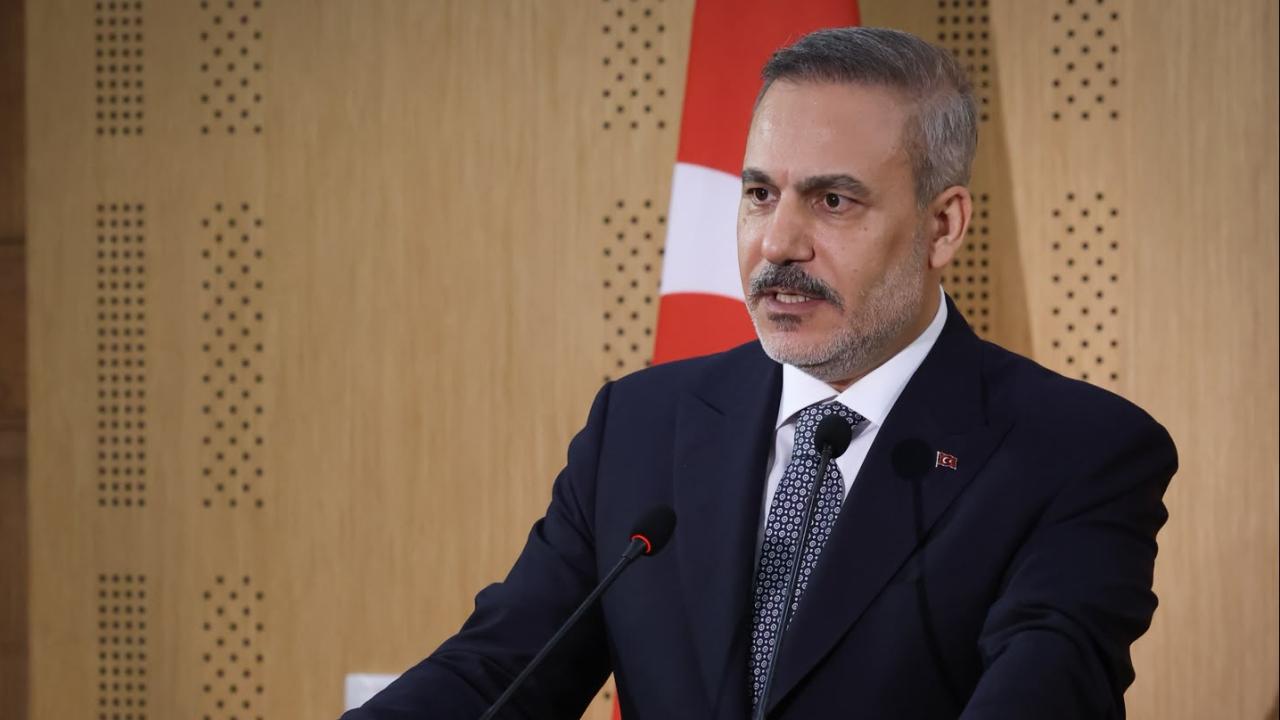
Foreign Minister Hakan Fidan is heading to Brussels for a critical diplomatic engagement. Minister Fidan will attend the Second Ministerial Meeting on Interregional Security and Connectivity, where he will reiterate Turkey's vision for regional stability and connectivity to the EU. The meeting will be attended by EU High Representative for Foreign Affairs and Security Policy Kaja Kallas, EU Commissioner for Enlargement Marta Kos, and senior representatives from Azerbaijan, Armenia, Moldova, Ukraine, and Central Asian nations. This summit is viewed as a strategic opportunity to place Turkey-EU relations on a new foundation.
Background of the Development
Turkey-EU relations have been at the center of geopolitical shifts and changing global balances in recent years. The EU Connectivity Agenda Platform, announced on June 23, aims to redefine the technical and political dimensions of these relations. The meeting in Brussels is not merely a security summit but a search for cooperation based on the integration of energy, transport, and digital infrastructures.
Historically, the Black Sea has been of vital importance to both Turkey and Europe as both a trade route and a security border. The shaking of the regional security architecture following the Russia-Ukraine war has increased the importance of initiatives such as the grain corridor, reinforcing Turkey's role as a mediator and balancer. Now, this experience is intended to be expanded to a wider geography, encompassing a connectivity network that includes Central Asia and the Caucasus.
The debates regarding 'conditionality' in Turkey's relations with Europe will be one of the main agenda items of this meeting. Minister Fidan's expected argument that relations cannot be reduced to specific conditions and must be reconstructed on the basis of equal partnership and mutual interest reflects Ankara's determination in its foreign policy doctrine.
Expert and Industry Insights
Industry representatives and foreign policy experts state that this meeting is critical for integrating Turkey's 'Middle Corridor' strategy with the EU's 'Global Gateway' project. According to experts, Turkey's logistical power is an indispensable element for Europe's energy supply security.
- Institutionalization of Turkey's transit role in energy supply security.
- The competitive power of the Middle Corridor and Development Road projects in global trade.
- Joint defense and intelligence cooperation against hybrid threats in the Black Sea.
- Restarting High-Level Dialogue Meetings in the fields of transport and energy.
- Harmonization of digital connectivity and cybersecurity infrastructures.
Experts express that Turkey viewing different connectivity routes as complementary elements rather than competing ones will create a 'constructive language' in relations with the EU. In particular, the security of energy and transport lines has become a strategic necessity for Europe's economic resilience.
Economic and Social Implications
The economic implications of this diplomatic move will be felt directly through trade volume and logistics costs. Turkey's geostrategic location maintains its status as Europe's gateway to Asian markets. The realization of connectivity projects will strengthen Turkey's vision of becoming a logistics hub while providing supply chain diversity for EU countries.
Socially, increased stability in the region will have a direct impact on European society in many areas, from migration flows to energy prices. Turkey's effort to move its relations with the EU to a 'realistic and result-oriented' ground could contribute to the restoration of mutual trust in the public opinion of both sides.
Market actors are closely following the signals of cooperation, especially in the transport and energy sectors. The vision that Turkey will present at this meeting serves as a message of long-term stability for investors.
Future Projections and Outlook
In the coming period, the formation of concrete action plans between Turkey and the EU is expected. As Minister Fidan will emphasize, the resumption of High-Level Dialogue Meetings will be the first step toward the institutionalization of relations. This process marks a period where technical working groups will play an active role on the ground, rather than just political rhetoric.
Risks include the continuation of geopolitical tensions in the region and differing political approaches within the EU. However, Turkey's 'complementary, not competing' approach aims to minimize these risks. The calendar anticipates a process in which more concrete projects will be signed in the coming months.
In conclusion, the Brussels summit has the potential to open a new chapter in Turkey-EU relations. Ankara's emphasis on equal partnership and its commitment to regional connectivity projects will once again certify Turkey's indispensability in Europe's security and prosperity architecture.
💬 Yorumlar 0
Henüz yorum yapılmamış. İlk yorumu siz yazın!



















