Turkey's '35x35' Electrification Vision: Strong Global Support from 75 Nations for Climate Action
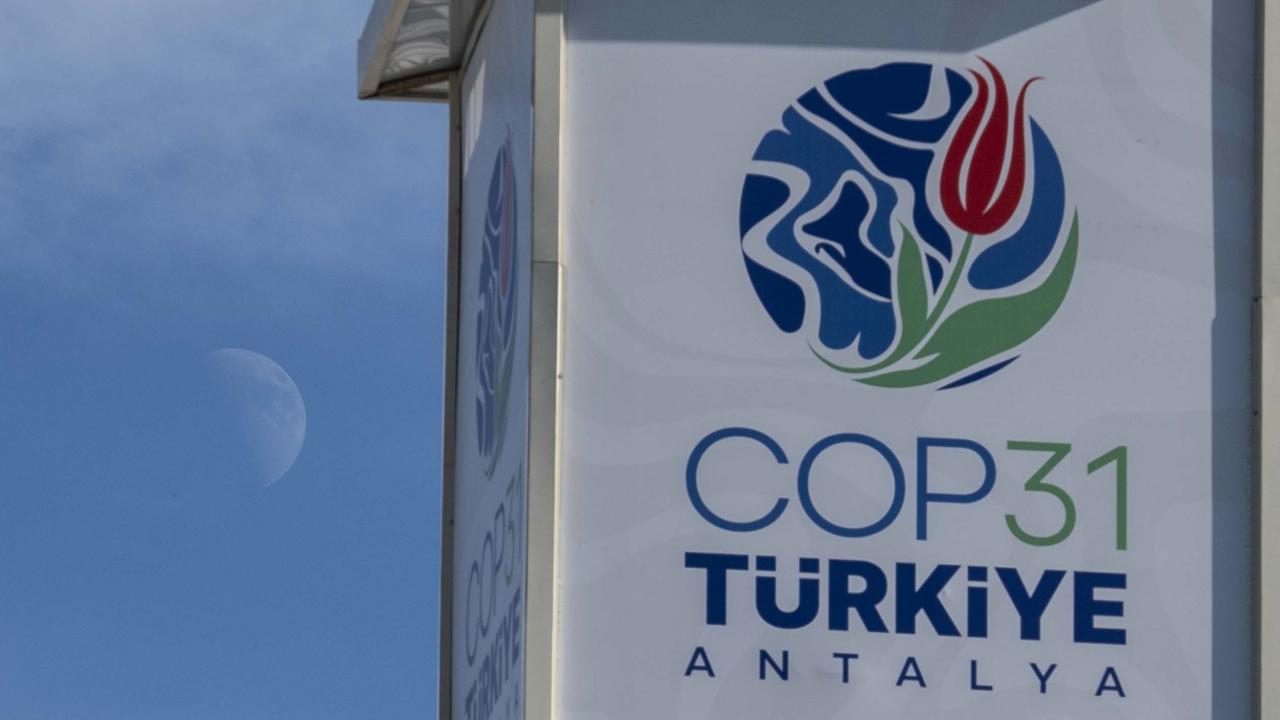
The United Nations Climate Change Conference (COP31), hosted by Turkey in Antalya, is witnessing historic developments in the fight against climate change. As the summit enters its second week, representatives from over 160 countries are engaged in intense negotiations to accelerate climate action and implement commitments. Among the most significant and actionable visions introduced by Turkey during its COP31 Presidency is the '35x35' electrification target, which aims to increase the share of electricity in final energy consumption to 35 percent by 2035. As of 09:30 local time on November 18, 75 countries have officially announced their support for this ambitious goal.
This wave of support extends beyond individual nations, gaining significant momentum with the endorsement of the European Commission. Major global economies, including Germany, the United Kingdom, Japan, Canada, and South Korea, have signed on to this commitment, reaffirming Turkey's effectiveness in climate diplomacy. The fact that the COP31 Negotiations President, Australia, was among the first signatories underscores that this target is not merely a declaration of intent but a new roadmap for the global energy transition.
Background of the Development
COP31 serves as a critical threshold for achieving the goals of the Paris Agreement at a time when the impacts of climate change are being felt more severely than ever. By hosting this summit, Turkey has assumed a leadership role, acting not just as a logistical hub but as a provider of actionable solutions for energy transition. The '35x35' target is part of Turkey's long-term National Energy Plan, designed to accelerate the shift from fossil fuels to clean energy.
Historically, previous COP summits often focused on setting targets; however, the Antalya summit distinguishes itself by focusing on 'implementation.' Turkey's pledge to increase the share of electricity in energy consumption to 35 percent by 2035 highlights the necessity of electrification across industrial, transportation, and heating sectors. This goal aims not only to reduce carbon emissions but also to enhance energy independence and facilitate the integration of domestic, renewable sources into the grid.
The inclusion of this target in the draft texts during the first week of negotiations is seen as a testament to Turkey's diplomatic success. The rapid consensus reached by 75 countries serves as the clearest evidence of the urgent and shared need for a global energy transition.
Expert and Industry Insights
Energy economists and climate experts describe Turkey's '35x35' target as a revolutionary step for the reshaping of global energy markets. Experts emphasize that this target is not only an environmental necessity but also a technological transformation opportunity.
- Electrification optimizes total energy demand by increasing energy efficiency.
- Integrating renewable energy sources into the grid strengthens energy supply security.
- Electrification in industry reduces carbon footprints and enhances global competitiveness.
- The shift to electric vehicles in the transport sector improves urban air quality.
- This target facilitates access to green finance, thereby encouraging further investment.
Industry representatives emphasize that the support of 94 organizations for this target demonstrates that the private sector is ready for this transition. Industrialists, particularly in energy-intensive sectors, state that having a clear roadmap allows them to plan long-term investments with greater confidence.
Economic and Social Implications
From an economic perspective, the 35x35 target has the potential to positively impact the current account balance for countries dependent on energy imports. As electricity generation based on domestic renewable sources replaces fossil fuel imports, improvements in trade balances are expected. Furthermore, this transition process implies the creation of millions of new jobs in the field of next-generation energy technologies.
Social implications are largely focused on quality of life and public health. Reducing reliance on fossil fuels leads to fewer health problems related to air pollution and offers the opportunity to live in a cleaner environment. With rising public awareness, consumers are increasingly turning toward energy-efficient products, shifting market dynamics in favor of 'green consumption.'
Future Projections and Outlook
In the coming days of COP31, it is expected that the 35x35 target will be incorporated into the final text and transformed into a binding mechanism. Moving forward, countries will need to update their own Nationally Determined Contributions (NDCs) to meet this target. Turkey is expected to continue its leading role in providing technical guidance and fostering cooperation throughout this process.
Potential risks include financing needs and gaps in technological infrastructure. Providing technology transfer and financial support from developed to developing nations to enable this transition will remain one of the most critical agenda items in the negotiations. Turkey's diplomatic success could serve as a bridge in managing these risks effectively.
💬 Yorumlar 0
Henüz yorum yapılmamış. İlk yorumu siz yazın!



















