Turkey's COP31 Vision: A New Era in Global Climate Governance
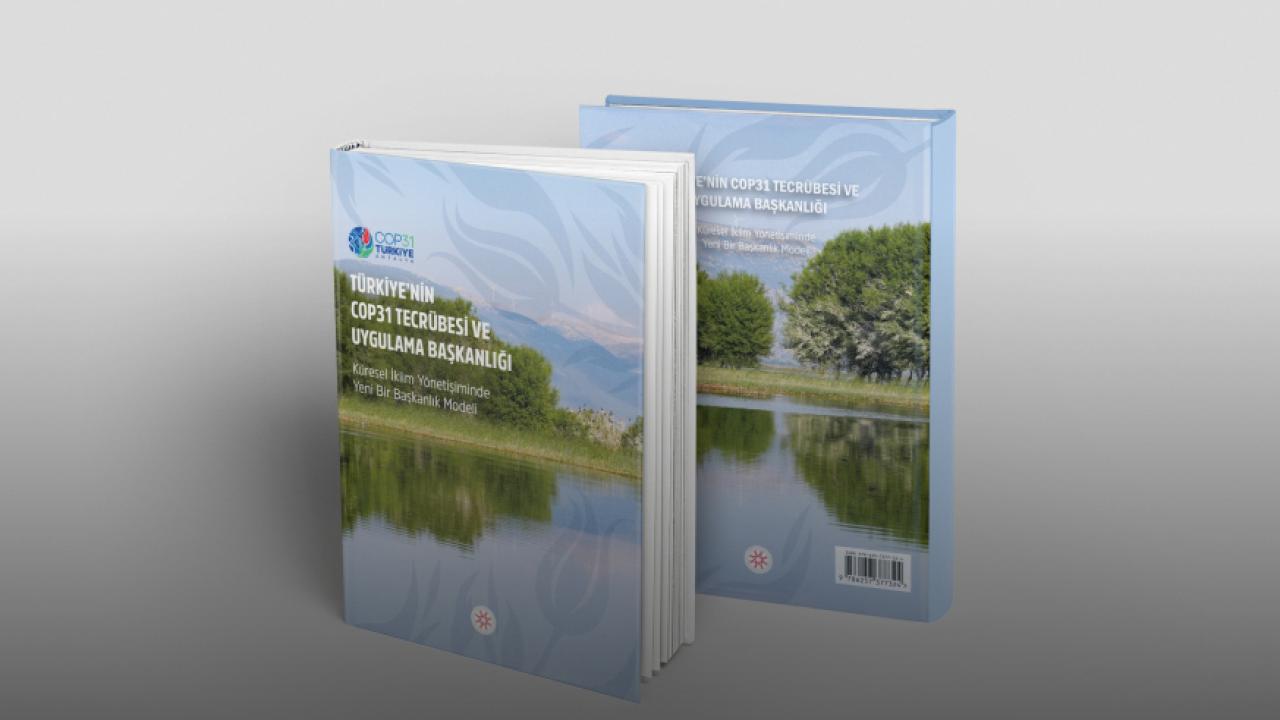
The Republic of Türkiye's Directorate of Communications has taken a strategic step regarding the United Nations Framework Convention on Climate Change (COP31) process by releasing a comprehensive work titled 'Turkey's COP31 Experience and Implementation Presidency: A New Presidency Model in Global Climate Governance.' Published in both Turkish and English, this study offers a profound roadmap on how to construct a presidency model focused not only on negotiations but also on implementation and concrete action in the fight against global climate change.
The book examines the process of transforming goals set in global climate policy into concrete policies, investments, and implementation results. While defining Turkey's role in this process through a framework of dialogue, consensus, and action, the study presents a critical model proposal for the future of global climate diplomacy.
Background of the Development
The fight against climate change has been one of the most complex agenda items in international diplomacy since the 1992 Rio Summit. Although COP processes were initially designed as diplomatic platforms for state-to-state negotiations, the lack of implementation capacity in these processes has been frequently criticized. In this historical context, Turkey has adopted a vision aimed at bridging the gap between the negotiation table and field implementation with its COP31 Presidency.
Turkey's COP31 experience signifies not just conference management, but also the translation of the country's own climate policy experience to a global scale. In a world where previous COP presidencies have generally focused on diplomatic consensus, Turkey's 'Implementation Presidency' model prioritizes technical processes such as accelerating financial flows and making technology transfer concrete. This approach is considered a reflection of the steps Turkey has taken in recent years toward a green development revolution and net-zero emission targets.
The institutional accumulation discussed in the book demonstrates how Turkey can integrate its capacity to combat climate change with international cooperation mechanisms. This is not merely a reporting effort but an attempt to build institutional memory for future presidencies.
Expert and Industry Insights
Climate diplomacy experts and industry representatives describe Turkey's new model as 'pragmatic and results-oriented.' According to experts, closing the financing gap in the fight against climate change is only possible with an implementation-oriented presidency model. Industry stakeholders emphasize that this approach will increase the confidence of the private sector in green investments.
- Increasing transparency and accessibility of financial mechanisms.
- Accelerating local capacity building processes in technology transfer.
- Integrating public-private partnership models into climate projects.
- Institutionalizing an 'action-oriented' language in negotiation processes.
- Harmonizing global climate goals with national development plans.
Experts state that Turkey's model will allow developing countries to make their voices heard more strongly in the fight against climate change. It is anticipated that the bottlenecks in access to finance and technology can be overcome through coordination mechanisms established within the 'Implementation Presidency' framework.
Economic and Social Implications
The model presented by Turkey is not only a diplomatic success but also a harbinger of economic transformation. The fight against climate change has become a fundamental determinant of global trade, energy supply security, and financial markets, rather than just an environmental issue. In this context, Turkey's COP31 vision is seen as a strategic move that will increase the country's competitiveness in the transition to a green economy.
Socially, steps to be taken in areas such as climate-resilient cities and sustainable agricultural practices will directly affect the quality of life of citizens. Turkey's experience aims to strengthen the perception that fighting climate change is an investment opportunity rather than a cost. The participation of stakeholders in this process will increase social awareness and ensure that climate actions are spread to the grassroots.
Future Projections and Outlook
This new era initiated by Turkey's COP31 Presidency has the potential to set a standard for future climate summits. In the coming period, it is eagerly awaited how this model will be accepted in international platforms and with which concrete projects it will be implemented. This book, published by the Directorate of Communications, has taken its place in the literature not just as documentation, but as an implementation guide.
Expectations are for Turkey to take a more active role in global climate finance through this model and become a leading center for technology transfer. Although there are risks that global geopolitical tensions could hinder climate cooperation, it is predicted that Turkey's dialogue and consensus-oriented approach will minimize these risks.
In conclusion, Turkey's COP31 experience is a candidate to be a symbol of the transition from 'words to action' in global climate governance. This institutional accumulation will further consolidate Turkey's global leadership capacity in the fight against climate change in the coming years.
💬 Yorumlar 0
Henüz yorum yapılmamış. İlk yorumu siz yazın!



















