Turkey's Green Transformation Move: Idle Lands and Water Surfaces Become Energy Hubs
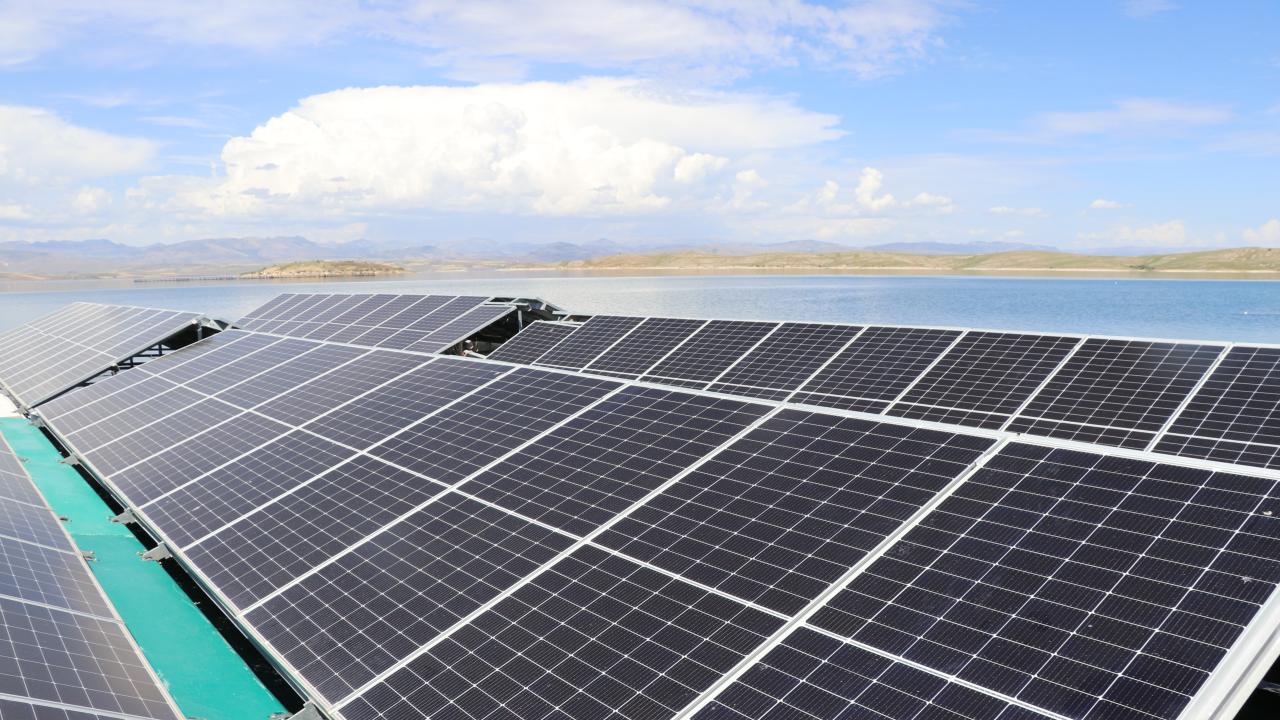
Turkey is launching a comprehensive action plan covering the 2026-2030 period as part of its fight against global climate change and its alignment with the European Green Deal. Shaped by the vision of 'Clean, Economic, and Secure Energy Supply,' this strategy redefines Turkey's energy portfolio with 4 main goals and 15 concrete action items. Specifically, the utilization of idle agricultural lands and water surfaces for renewable energy production opens a new chapter in the country's green energy transition.
This strategic move aims to provide multi-layered benefits, such as protecting water resources and optimizing agricultural productivity, while increasing energy production capacity. In particular, covering water surfaces with panels through floating solar power plants (SPP) will prevent evaporation and provide higher energy efficiency compared to terrestrial installations due to the cooling effect of the water.
Background of the Development
Turkey's energy policies over the last two decades have been built on reducing foreign dependency and maximizing domestic resources. The 2026-2030 Green Deal Action Plan constitutes the most current and technology-oriented link in this historical process. Investments made in hydroelectric power plants (HPP) in the past are now being taken to the next level with hybrid facility transformations. This transition accelerates Turkey's shift to an industrial structure compatible with the European Union's carbon border adjustments while ensuring energy supply security.
At the heart of the action plan lies the transformation of idle areas into economic value while minimizing pressure on agricultural and pasture lands. Allocating lands that were previously considered non-agricultural or inefficient for energy production stands out as a revolutionary approach to land-use planning. This process is not just an energy project but also a sustainable land management model.
Furthermore, the promotion of heat pump technology and the creation of geographic information system-based maps for ground-source heat pumps demonstrate Turkey's determination regarding energy efficiency. These maps aim to optimize energy consumption in residential and industrial sectors by facilitating the integration of renewable energy sources into heating and cooling processes.
Expert and Industry Insights
Energy sector representatives and academics define this action plan as the most concrete step of Turkey's 'green development' vision. Experts state that integrating floating SPP projects with Turkey's water management strategy is of critical importance. According to technical evaluations, the cooling effect of water can increase the efficiency of panels by 10-15 percent.
- Floating SPP installations prevent water evaporation, supporting the fight against drought.
- Hybrid HPP-SPP facilities increase grid stability, minimizing the problem of intermittent energy.
- Heat pump maps encourage the efficient use of local energy sources.
- Training programs in Organized Industrial Zones (OIZ) play a critical role in reducing the industry's carbon footprint.
- R&D incentives increase the global competitiveness of domestic renewable energy technologies.
Sector representatives emphasize that annual training programs for Organized Industrial Zones (OIZ) will accelerate the industry's compliance with energy efficiency regulations, providing a competitive advantage in export markets.
Economic and Social Implications
The economic impacts of this transformation range from reducing the energy import bill to creating new employment areas. R&D support for domestic technology production supports Turkey's goal of becoming an exporter of energy technologies. Socially, supporting the transition to clean energy increases environmental awareness throughout society.
In terms of market balance, opening idle lands to energy production creates new and safe investment areas for energy investors. This increases competition in the energy market, meaning more sustainable and, in the long term, more economical energy prices for consumers. Furthermore, the protection of water resources creates a vital guarantee for the continuity of agricultural production.
Future Projections and Outlook
The 2026-2030 calendar serves as a 'roadmap' for Turkey's energy transition. In the coming period, with the completion of geographic information system-based maps and the commencement of training in OIZs, energy efficiency practices are expected to yield concrete results in the field. Regarding risk management, it is important that the environmental impact assessment (EIA) processes of the projects are carried out meticulously.
In the official process, it is envisaged that legislative regulations will be accelerated under the coordination of relevant ministries and bureaucratic obstacles for investors will be reduced. With this plan, Turkey aims not only to meet its own energy needs but also to become a regional green energy hub. In the long term, successfully establishing the balance between energy supply security and environmental sustainability will solidify Turkey's place in the global green economy.
💬 Yorumlar 0
Henüz yorum yapılmamış. İlk yorumu siz yazın!



















