Turkey's Registered Vehicle Fleet Reaches 35.2 Million: Analyzing October Data
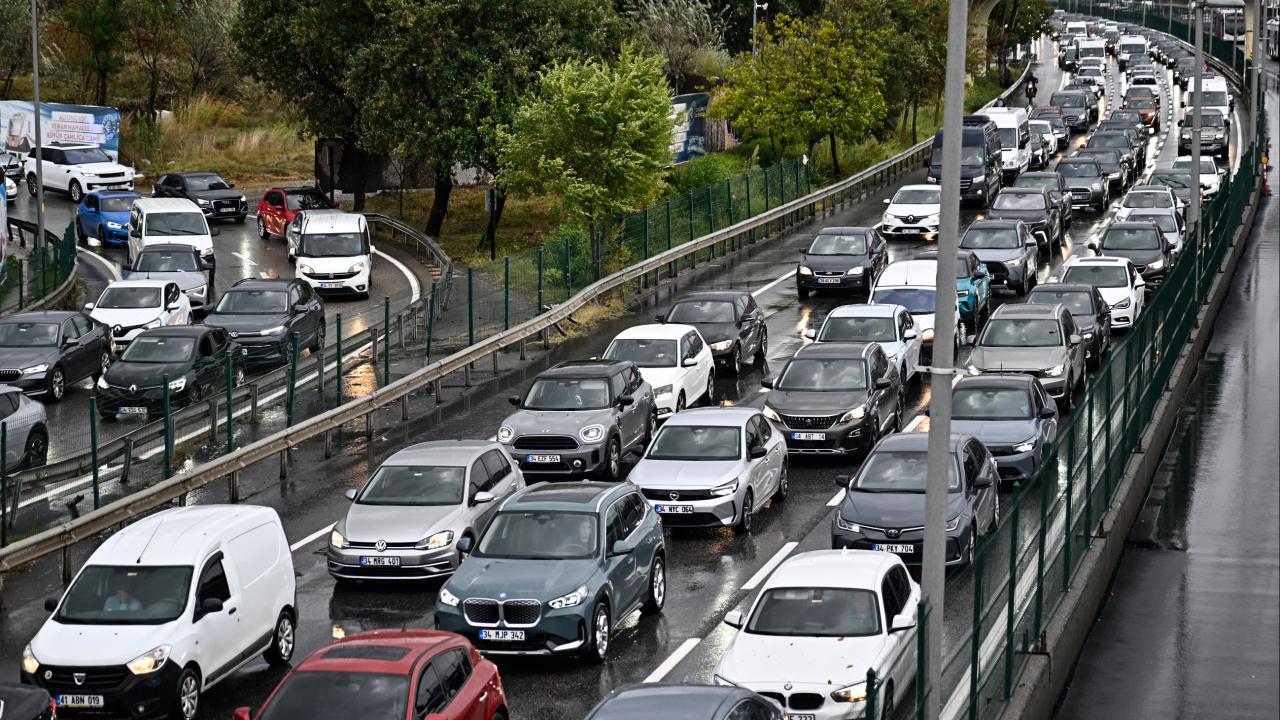
The Turkish Statistical Institute (TÜİK) has released its motor vehicle statistics for October, providing a comprehensive snapshot of Turkey's transportation and automotive landscape. According to the data, the number of vehicles registered in October fell by 26.8% compared to the same month last year, totaling 130,697. Simultaneously, the number of vehicles deregistered increased by 18.2%, rising from 5,054 to 5,975. Consequently, the total number of vehicles on the road reached 35,189,866 by the end of October, marking a 6% increase compared to the same period last year.
These statistics are critical for understanding how the automotive market is shaped by seasonal and economic factors. The decline in new vehicle registrations points to a shift in supply-demand dynamics and changing consumer behavior. Regarding the composition of new registrations, automobiles accounted for 47.5%, while motorcycles followed at 36.4%, confirming that motorcycles are playing an increasingly significant role in transportation preferences.
Background of the Development
The number of motor vehicles in Turkey has grown rapidly over the last decade. The post-pandemic surge in demand for individual transportation made vehicle ownership a necessity, and the automotive sector worked intensely to meet this demand. However, as of 2024, high interest rates, credit restrictions, and the stabilization of car prices have led to a slowdown in new vehicle registrations.
Historically, surpassing the 35-million-vehicle threshold marks a new era for Turkey in terms of infrastructure and traffic management. The high growth rates of previous years are being replaced by more controlled expansion, while the aging of the vehicle fleet and economic conditions are directly impacting the second-hand market. The decline observed in October aligns with the general economic cooling trend seen throughout the year.
From an institutional perspective, TÜİK data serves as a fundamental indicator for shaping transportation policies. The increase in deregistered vehicles provides clues about the renewal rate of the vehicle fleet, which is also a key factor for environmental policies and emission standards.
Expert and Industry Insights
Industry representatives state that the decline in October was not unexpected; rather, it indicates that the market is seeking a new equilibrium. According to experts, high borrowing costs and changes in consumer purchasing power are directly influencing new vehicle purchase decisions. Furthermore, the high share of motorcycles in total registrations highlights their emergence as an economical alternative for urban mobility.
Key findings regarding the general outlook of the sector are as follows:
- High credit interest rates remain the most significant factor suppressing demand for automobiles.
- Motorcycle usage is increasing in popularity among urban users due to low fuel consumption and ease of parking.
- Changes in the commercial vehicle segment (trucks, light commercial vehicles) are directly linked to growth expectations in the logistics sector.
- The increase in the total number of registered vehicles underscores the need to accelerate investments in parking and traffic infrastructure.
- The aging of the vehicle fleet may lead to increased activity in the maintenance and spare parts sector in the coming period.
Experts suggest that these figures reflect a 'wait-and-see' policy within the automotive sector, as consumers wait for prices to stabilize and financing conditions to improve.
Economic and Social Implications
Reaching 35.2 million registered vehicles is an indicator directly related to Turkey's economic size and prosperity. However, this growth brings social and environmental costs, such as traffic congestion, carbon emissions, and energy consumption. The density of vehicles in major cities, in particular, highlights the growing importance of investments in public transportation.
Economically, the automotive sector plays a locomotive role in Turkey's export and domestic market dynamics. The slowdown in new vehicle sales may have indirect effects on tax revenues and sub-industry production. Conversely, the strong performance of motorcycle sales is closely linked to the growth of the courier and delivery economy.
Socially, while vehicle ownership is still viewed as a status symbol and a comfort factor, changing economic conditions are guiding consumers toward more rational choices. This could be a harbinger of a social transformation toward increased use of motorcycles or public transport instead of private cars.
Future Projections and Outlook
In the coming period, the most significant factors determining the course of the automotive sector will be monetary policy decisions and financing campaigns offered by manufacturers. While the number of registered vehicles is expected to continue rising, the growth rate is likely to follow a more moderate path compared to previous years.
Official processes and regulations will focus specifically on the proliferation of electric vehicles and the tightening of emission standards. The year 2025 could be a year of both technological transformation and market rebalancing for the automotive sector. Risks include global supply chain issues and fluctuations in energy costs.
In conclusion, as Turkey's vehicle inventory continues to expand, the sustainability of this growth and the adaptation of traffic infrastructure to this pace are poised to be among the most important agenda items for the coming years.
💬 Yorumlar 0
Henüz yorum yapılmamış. İlk yorumu siz yazın!



















