Two Red Notice Fugitives Captured in Bulgaria and Extradited to Turkey: A Strategic Blow to Organized Crime
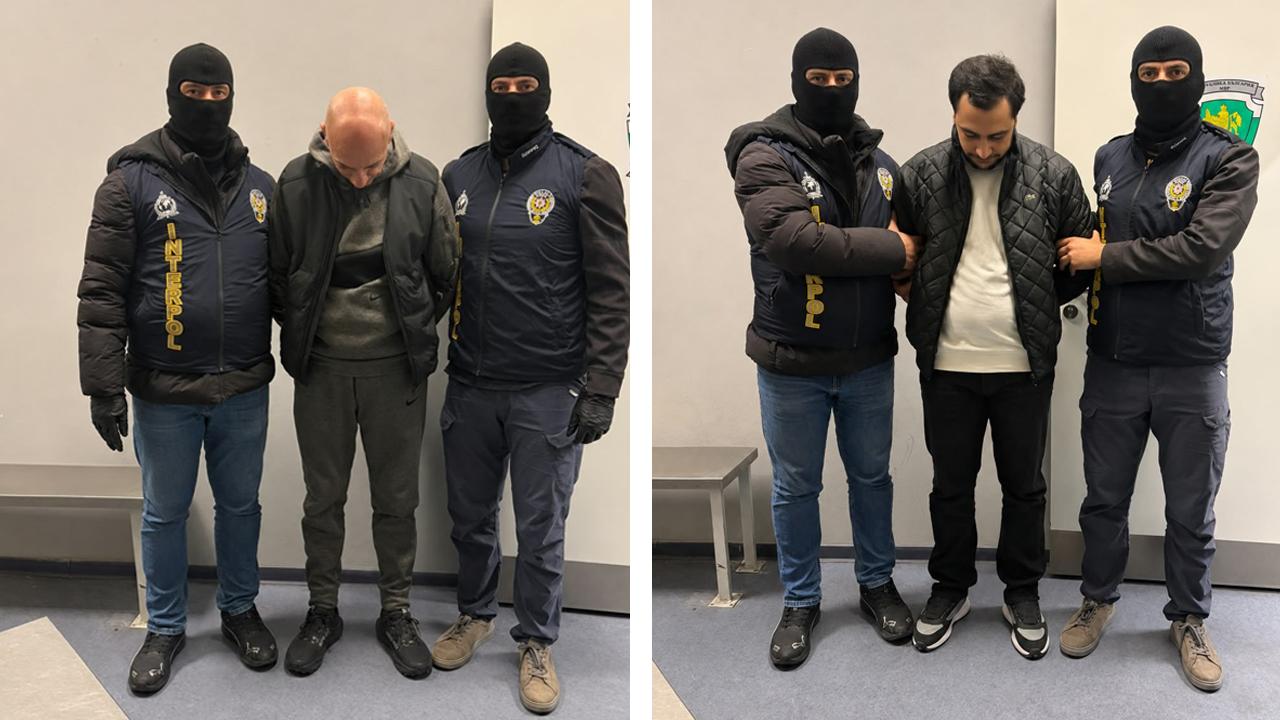
Turkey's international security operations and its coordinated efforts with Interpol continue to yield significant results. In a development that has resonated widely across the public and security sectors, two critical figures wanted under Red Notices were apprehended in Bulgaria. Emre Yalvan, identified as a leader of a 'new generation' organized crime group with a staggering 60 criminal records, and Murat Saydam, also wanted on an international level, were brought back to Turkey following a highly coordinated operation between Turkish and Bulgarian law enforcement agencies. This operation stands as one of the most concrete examples of Turkey's resolute struggle against cross-border criminal networks.
According to information obtained from official news sources, the capture of the suspects was the result of meticulous intelligence tracking. Intense contacts maintained by the General Directorate of Security's Interpol-Europol Department with Bulgarian authorities led to the identification of the fugitives' hideouts. Following the completion of procedures at the border gate, the individuals were handed over to Turkish security forces and transferred to the relevant units for judicial processing. The strategic importance of this operation is further amplified by Emre Yalvan's hierarchical position within the criminal underworld and the dozens of criminal files associated with his name.
Background of the Development
Turkey's 'zero tolerance' policy against organized crime groups in recent years has significantly narrowed the room for maneuver for criminals abroad. The case of Emre Yalvan and Murat Saydam represents the international dimension of this strategy. The 'new generation' crime group structure allegedly led by Yalvan is characterized by flexible, technology-oriented, and cell-type organizations, differing from traditional hierarchies. While such structures often attempt to evade classic surveillance methods by communicating via digital platforms, the technical tracking capabilities of Turkish intelligence have successfully overcome these obstacles.
Murat Saydam had also been sought for a long time via an Interpol Red Notice. A Red Notice is the highest level of search warrant shared among more than 190 Interpol member countries, aimed at the arrest and extradition of an individual wherever they are spotted. The fact that Saydam and Yalvan were captured in a neighboring country like Bulgaria indicates that the Balkan route is no longer a safe haven for criminals. Many criminal figures who previously attempted to infiltrate deeper into Europe using this route are now being blocked due to increased border security and enhanced intelligence sharing.
Looking at the chronological course of the operation, it is evident that Turkish security units began tracking the suspects months ago. Real-time data sharing and field intelligence provided to the Bulgarian police were the most crucial elements ensuring the operation's success. The extradition process was carried out in full compliance with international legal norms and the bilateral extradition treaties between the two countries. This development is viewed as a reinforcement of Turkey's reputation within the framework of international law and its security cooperation with neighboring nations.
Expert and Industry Insights
Security experts and legal scholars emphasize that this operation is not merely about the capture of two individuals but also a powerful message sent to organized crime syndicates. According to experts, the apprehension of a figure linked to 60 different criminal acts could lead to the resolution of many cold cases or pending files in the judicial process. From an industry perspective, the security bureaucracy states that such successes will positively impact Turkey's standing in global security indices.
- Instant data-sharing networks established with Interpol have been observed to significantly increase operational speed.
- A major blow has been dealt to the financial resources and logistical networks of new-generation crime organizations.
- The functionality of bilateral security protocols with Bulgaria has been tested at the highest level and proven successful.
- It has been demonstrated that bureaucratic hurdles in extradition processes can be overcome through digital diplomacy and persistent tracking.
- The operation is regarded as a testament to Turkey's cross-border operational capabilities and intelligence depth.
Experts also state that deciphering the structure of the organization led by Emre Yalvan is critical for preventing similar formations. These 'new generation' structures are often entities that encourage youth toward crime and attempt to gain power through social media platforms. Delivering such leader figures to justice will accelerate the dissolution within the organization's ranks and deter potential criminal ventures.
Economic and Social Implications
While the economic dimension of the fight against organized crime is often overlooked, it is actually vital for market security. It is well-known that crime groups feed off the informal economy, engage in money laundering activities, and exert pressure on local businesses. Neutralizing figures like Yalvan and Saydam helps break this illegal economic cycle. Establishing a secure investment environment is only possible through the rule of law and an effective fight against crime.
From a social perspective, such operations reinforce the sense of justice within society. Demonstrating that individuals wanted under Red Notices and involved in dozens of crimes cannot roam free is a factor that eases the public conscience. In particular, the reduction of drug trafficking, extortion, and violent incidents—which are the street-level reflections of organized crime—is of great importance for maintaining social peace. The public's trust in security forces is further solidified by such tangible achievements.
Furthermore, the reflection of this operation in the international community strengthens the image of Turkey as a secure country. The perception of security, which indirectly affects many areas from tourism to foreign investment, is directly proportional to the success of the fight against crime. This successful cooperation with an EU member state like Bulgaria has once again confirmed Turkey's indispensable role in the European security architecture.
Future Projections and Outlook
In the coming period, the interrogation phases of the captured individuals and the subsequent judicial process will be closely monitored. Investigations into Emre Yalvan's 60 different criminal files may lead to the identification of other members and connections of the organization. Security units are expected to expand their operations in light of new information obtained from these captures. This is seen as a strategic move toward the complete liquidation of the criminal organization.
On an international level, it is predicted that Turkey's influence within Interpol will increase. Similarly, it can be said that the circle is tightening for other fugitives wanted under Red Notices. This harmony achieved with Bulgaria is expected to serve as a model for cooperation with other neighboring countries and European states. The security bureaucracy will continue to track the digital footprints of criminals by further developing its technological infrastructure and data analysis capabilities.
In conclusion, the extradition of Emre Yalvan and Murat Saydam to Turkey is not an end, but the beginning of a new and more comprehensive phase in the fight against organized crime. This process, carried out by the state in coordination with all its institutions, is the clearest indicator that the determination to fight all forms of crime will continue. The public will continue to watch the decisions emerging from the judicial process and the domino effects of this operation within the criminal world.
💬 Yorumlar 0
Henüz yorum yapılmamış. İlk yorumu siz yazın!



















