US Strategic Shift in Europe: The 5,000 Troop Plan
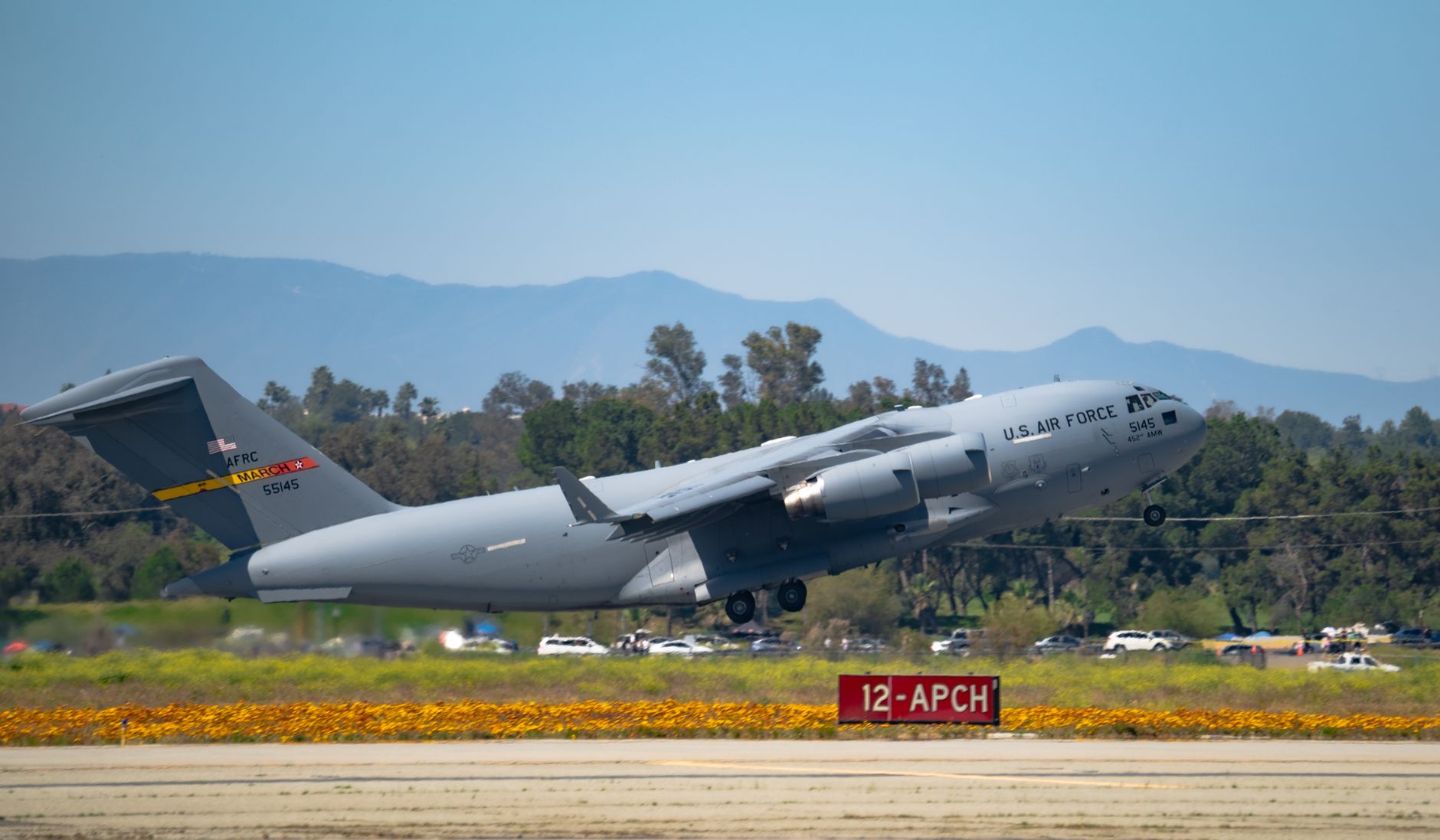
Recent developments in US defense strategy continue to shake the foundations of Europe's security architecture. According to data from Pentagon sources, the Washington administration, which had previously considered withdrawing 25,000 personnel from its current military presence in Europe, has revised this decision and now plans to limit the withdrawal to 5,000 troops. This strategic retreat is being evaluated as a critical turning point for both NATO allies and the geopolitical balance in the region.
Data reflected in sources such as ssbulten.com.tr and Hürseda Haber in recent days indicate that the US will transition to a more optimized and agile structure rather than completely erasing its military footprint in Europe. While the reduction of the massive 25,000-troop withdrawal plan to 5,000 has provided some relief in European capitals, the scale of the security crisis remains serious. This situation increases the importance of new bases being established in countries like Poland, especially along the tension line with Russia.
This change is not just a numerical revision but also proves that the priorities in the US global power projection are shifting. At a time when Europe is under pressure to increase its own defense capacity, this 5,000-troop withdrawal move by the US is expected to further accelerate discussions on defense spending and strategic autonomy on the continent.
Background of the Development
The presence of US troops in Europe has been the cornerstone of the transatlantic security architecture established after World War II. However, in recent years, especially since the Trump administration, the US military presence in Europe has become a constant subject of debate. As of 2026, the Pentagon's plans to reduce troop numbers to increase operational efficiency in Europe and shift resources to the Pacific region had come to the fore.
The first claims reflected in the press in September 2026 suggested that 25,000 troops would be withdrawn, which caused a serious state of alarm in European capitals. The Western world was concerned that a withdrawal of this magnitude would weaken NATO's deterrence. However, current data as of November reveals that this plan has been revised, and the US will make a limited withdrawal of 5,000 troops while maintaining a strategic balance rather than abandoning its presence in Europe entirely.
During this process, countries like Poland developed a different strategy against the US troop withdrawal plans, choosing to establish new bases through bilateral agreements with the US. Statements from figures like Nawrocki show that even if the US withdraws its troops from Europe, it will maintain its presence by establishing more modern and permanent bases in critical points like Poland. This proves that the center of the European security architecture is shifting from west to east.
Expert and Industry Insights
Defense analysts and geopolitical experts define this decision by the US as a 'strategic realignment.' According to experts, the withdrawal of 5,000 troops instead of 25,000 indicates that the US does not want to leave Europe completely alone, but it is sending a strong message that Europe needs to increase its own defense budgets.
- Military experts state that the withdrawal of 5,000 troops is manageable logistically and operationally, but European countries must take more responsibility to maintain deterrence on NATO's eastern flank.
- Economists emphasize that the increase in defense industry spending could trigger a new 'defense-oriented' growth model in European economies.
- Political analysts express that this decision is a reflection of the 'America First' rhetoric in US domestic politics and that Europe must now take more independent steps to ensure its own security.
Experts state that this move by the US is also an opportunity for defense industry companies in Europe. Especially the effort to get rid of US pressure regarding diesel fuel stocks and military equipment supply could lead to the strengthening of the local defense industry. This acts as a catalyst accelerating Europe's search for strategic autonomy.
Economic and Social Implications
The decision to reduce the US military presence is having direct effects on energy and defense markets in Europe. The easing of US pressure, especially regarding diesel stocks and energy security, allows Europe to determine its own energy policies more flexibly. However, this also brings with it the necessity of increasing defense budgets.
From a social perspective, discussions about the 'reliability of the US' have reignited in European societies. Troop withdrawal plans strengthen the perception among the public that Europe needs to make more efforts to ensure its own security. This also brings discussions about establishing a joint defense army within the European Union back to the agenda.
On the market side, activity is observed in defense industry stocks. Europe-based defense companies are planning new investments to fill the gaps that the US will leave behind. While this increases the demand for the defense sector in the labor market, it also causes the share of public budgets allocated to defense to grow.
Future Projections and Outlook
In the coming period, how the US will structure its military presence in Europe will be one of the most important factors determining the future of NATO. The withdrawal of 5,000 troops may be just the beginning of the process. Considering the US priorities in the Pacific, it is expected that the military presence in Europe will be further reduced or transformed into a completely technology-oriented structure.
European countries are moving towards reducing their dependence on the US by focusing on indigenous defense technologies such as KAAN and similar projects. Towards the end of 2026, it is foreseen that Europe will take more concrete steps to increase its own defense capacity and that the US will be involved in this process with a 'supportive' role. Although the security crisis continues, Europe's effort to stand on its own feet has now become a necessity, not a choice.
💬 Yorumlar 0
Henüz yorum yapılmamış. İlk yorumu siz yazın!



















