US Withdrawal from Syria: A New Era in Regional Equations
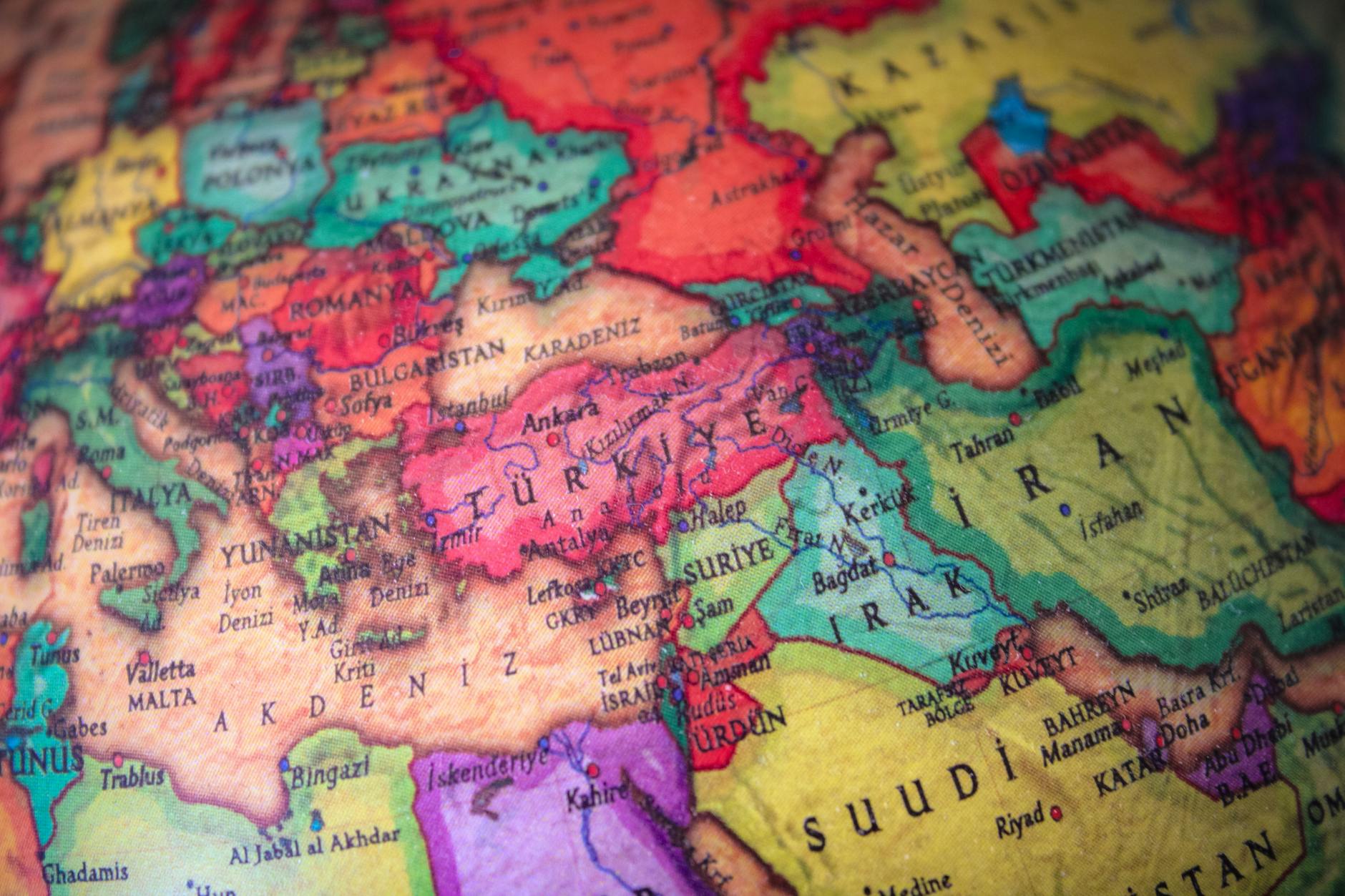
The US strategy to withdraw from Syria stands out as one of the most critical turning points redefining the power balances in the Middle East. According to the latest data from Anadolu Agency, this withdrawal is not merely a military retreat but signifies a fundamental restructuring of the regional equation. In particular, the 'corridor market' between Damascus and Beirut and the control of oil fields have created a new arena of competition for regional actors.
Expectations for a second Trump term, as noted by experts like Gülru Gezer, carry the potential to gain new momentum in bilateral relations between the US and Turkey. However, this process necessitates a reassessment of the dynamics of counter-terrorism in Syria and the influence of the Russia-Iran axis in the region. The regional security architecture is now being shaped more through economic connectivity and logistics corridors.
Moves that strengthen Turkey's connectivity, such as the Istanbul Northern Railway Crossing Project, have become directly linked to the search for stability in northern Syria. As the vacuum created by the US withdrawal accelerates the efforts of regional powers to expand their spheres of influence, Turkey's role as a primary partner is being redefined.
Background of the Development
The Syrian crisis has entered a different phase since 2018 with the US tendency to reduce its presence in the region. As Evren Balta emphasized, Trump's vision of ending the global war on terror has led to the replacement of military presence on the ground with struggles for diplomatic and economic influence. This process became more complex with the deepening of Russia-Iran relations on the Syrian scale in 2020.
Historically, US withdrawal decisions have always brought about a strategic debate about 'the road ahead for Turkey.' As indicated in past analyses by DW.com, Turkey's security concerns in the region had to be directly synchronized with the US withdrawal schedule. This situation has pushed Turkey to conduct more active diplomacy in the region.
The issue of control over Syria's oil fields continues to be one of the greatest sources of tension among regional actors as of late 2024. Who will take control of petro-economic assets is not just a local issue but also of critical importance for the security of global energy corridors. The management of these fields is also the key to political legitimacy in the region.
Expert and Industry Insights
Experts state that the vacuum created by the US withdrawal is leading regional actors to establish new 'corridor markets' among themselves. According to analyses by Independent Türkçe, the line between Damascus and Beirut is being rebuilt not only as a military but also as a commercial artery.
- According to Hakan Güneş's assessments, Turkey is no longer the sole primary partner for the US, but it retains its position as the key country for regional stability.
- Economic analysts predict that Turkey's logistics capacity will play a key role in the reconstruction of Syria, which will increase the trade volume in the region.
- Security experts emphasize that Turkey must pursue a more proactive defense industry strategy to balance the influence of Russia and Iran in the region following the US withdrawal.
These assessments reveal that Turkey needs to reflect not only its military but also its economic and technological capacity onto the Syrian field. Especially mega-projects like the Istanbul Northern Railway gain strategic depth as Turkey's gateway to the Middle East.
Economic and Social Implications
The end of instability in Syria or its transition to a new order has direct effects on the Turkish economy. Ensuring border security, normalizing trade, and resolving the refugee issue could create positive pressure on Turkey's budget balances. However, this process requires serious investment and logistical preparation.
Regional stability is critical for markets, especially in terms of energy costs and the security of logistics routes. The management of Syria's oil fields appears as a factor affecting energy prices and supply security in the region. Turkey's role in this process carries the potential to be not just a security provider but also a center of economic integration.
In terms of social implications, the withdrawal process will directly affect demographic mobility and return processes in the region. Humanitarian aid and infrastructure projects carried out by Turkey form the cornerstones of the reconstruction of the social fabric in the region. This is considered a factor that increases Turkey's soft power in the long run.
Future Projections and Outlook
In the coming period, as the US withdrawal schedule becomes clearer, regional actors are expected to take more concrete steps. The bilateral relations that Turkey will develop with the US in the new period will also shape its operational capacity in Syria. In particular, the new diplomatic channels that the Trump era may bring could create a different dynamic in the resolution of the crisis.
Turkey's connectivity projects will form the backbone of economic integration in the region. A trade line starting from the Istanbul Northern Railway and extending through Syria to the Middle East could change the economic future of the region. These projections support Turkey's goal of becoming a regional logistics hub.
In conclusion, the US withdrawal from Syria is not an end but the beginning of a new regional order. This order will be built on economic cooperation, logistics corridors, and diplomatic maneuvering capability rather than military force. Turkey will continue to strengthen its position in this new equation as both a security provider and an economic center.
💬 Yorumlar 0
Henüz yorum yapılmamış. İlk yorumu siz yazın!



















