Vice President Yılmaz's Visit to Uzbekistan: A New Era in Strategic Partnership
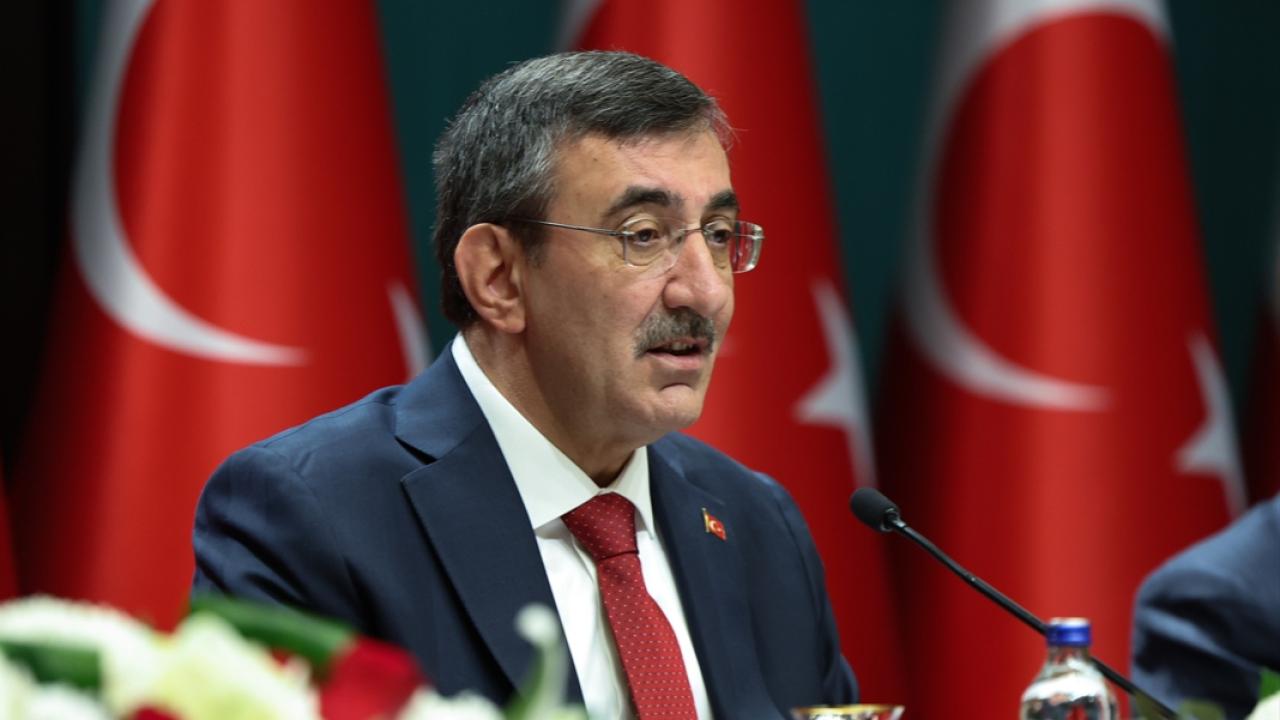
Vice President Cevdet Yılmaz is undertaking a critical visit to Uzbekistan on November 18-19, aiming to crown the deep-rooted historical and cultural ties between Turkey and Uzbekistan with a new economic vision. Conducting a busy diplomatic schedule in the capital, Tashkent, Yılmaz will engage with umbrella organizations of the business world and hold meetings with Uzbekistan's top state officials to discuss the future of bilateral relations.
On the first day of his visit, Yılmaz will attend the Business World Meeting organized by the World Turkish Business Council (DTİK) Uzbekistan, where he will evaluate the activities of Turkish investors in the region and the opportunities they encounter. On the second day, his meetings with Uzbekistan's Deputy Prime Minister and Minister of Economy and Finance, Jamshid Kuchkarov, hold great importance for strengthening financial cooperation and investment incentive mechanisms between the two nations.
Background of the Development
Relations between Turkey and Uzbekistan have risen to the level of 'Comprehensive Strategic Partnership' in recent years. The reform process initiated in Uzbekistan, particularly since 2016, has made the country one of the most attractive markets for Turkish investors in Central Asia. The trade volume between the two countries is steadily increasing through mutual steps, and massive projects are being implemented in sectors such as energy, construction, textiles, and agriculture.
Historically acting with the motto of 'One nation, two states,' Turkey and Uzbekistan are the two main actors supporting regional integration under the umbrella of the Organization of Turkic States (OTS). Vice President Yılmaz's visit serves as a lever to transform this political closeness into concrete economic outcomes. Legal frameworks, such as the Preferential Trade Agreement signed in previous periods, are being updated through such high-level visits, opening doors to new areas of cooperation.
Uzbekistan's policy of opening up to the world and Turkey's profile of experienced investors in the region transform this visit from a mere diplomatic protocol into a strategic economic cooperation platform. In particular, the diversification of logistics routes and the effective use of the Middle Corridor continue to be among the most important items on the common agenda of both countries.
Expert and Industry Insights
Economic experts interpret Yılmaz's visit as part of Turkey's strategy to increase its economic influence in Central Asia. Industry representatives emphasize that Uzbekistan's young population and developing industrial infrastructure hold great potential for Turkish firms. According to experts, the main outcomes of this visit can be summarized as follows:
- Determining new incentives to exceed the $5 billion trade volume target between the two countries.
- Increasing the participation of Turkish contracting firms in infrastructure and housing projects in Uzbekistan.
- Integration of financial systems and the establishment of joint investment funds.
- Formation of joint working groups in technology transfer and digital transformation processes.
- Digitalization of customs processes to reduce logistics and transportation costs.
Industry representatives state that the establishment of production bases by Turkish brands in Uzbekistan, especially in the textile and food processing industries, will open a value-added export gate for both countries. Stakeholders agree that such visits play an 'accelerator' role in overcoming bureaucratic obstacles.
Economic and Social Implications
The economic implications of this visit will not be limited to trade figures between the two countries; it will also have a direct impact on employment and production capacity in the region. While facilities established by Turkish firms in Uzbekistan create employment for the local population, the know-how transfer from Turkey contributes to the modernization of the Uzbek industry.
Socially, the increase in cooperation in education, culture, and tourism strengthens societal ties. Vice President Yılmaz's contacts represent not only a commercial agenda but also a long-term culture of shared life and production. In the markets, such high-level visits are seen as elements that 'reinforce the environment of trust' and increase investor appetite.
Future Projections and Outlook
The Uzbekistan-Turkey High-Level Business Council Meeting, which will take place on the second day of the visit, will be a platform where concrete cooperation protocols will be signed. The meetings to be held with the President of Uzbekistan, Shavkat Mirziyoyev, and the Head of the Presidential Administration, Saida Mirziyoyeva, are of critical importance in confirming the political will's support for economic goals.
In the coming period, joint projects are expected to gain momentum, especially in energy efficiency and renewable energy. Uzbekistan's goal of modernizing its energy infrastructure opens a major window of opportunity for Turkish energy companies. Furthermore, increasing facilitative regulations, similar to a customs union, will minimize obstacles to trade.
In conclusion, this visit by Cevdet Yılmaz demonstrates how determined Turkey is in its Central Asian vision. It is projected that the relations between the two countries will become one of the cornerstones of regional stability and economic prosperity in the coming years.
💬 Yorumlar 0
Henüz yorum yapılmamış. İlk yorumu siz yazın!



















