A first in COP history: Health designated as a standalone action area
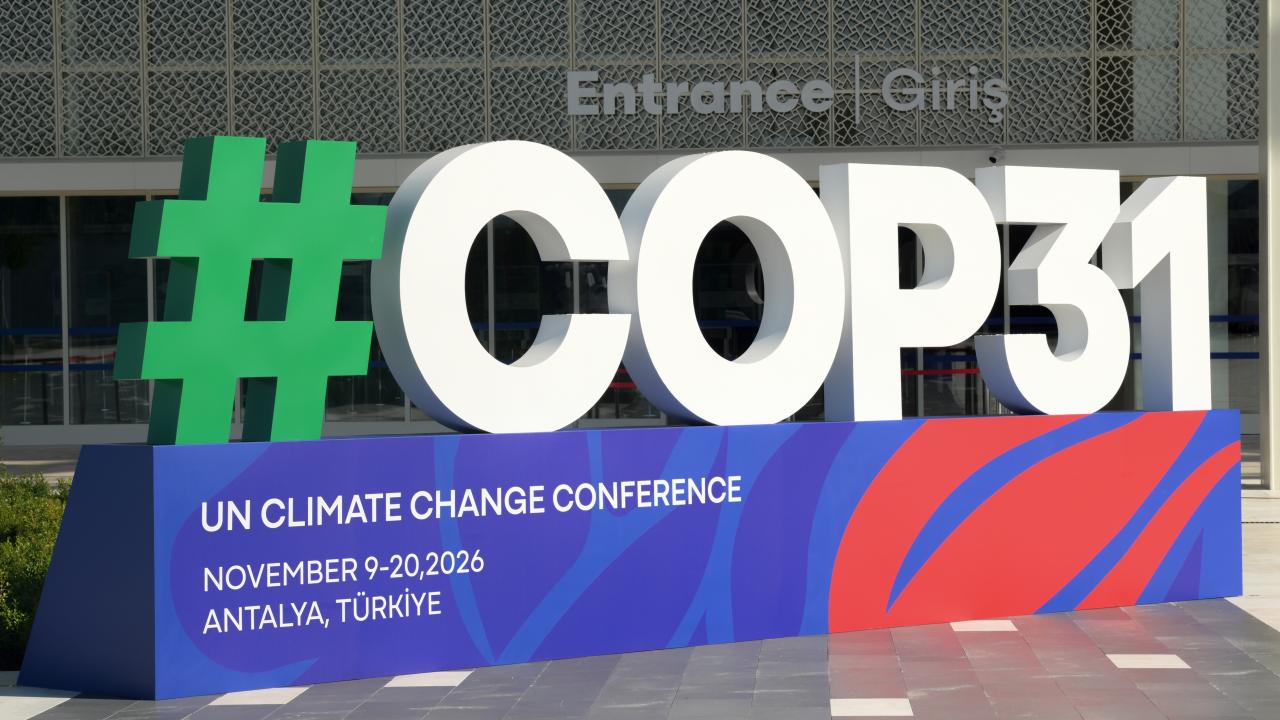
Health Minister Memişoğlu stated that the 31st Conference of the Parties to the United Nations Framework Convention on Climate Change (COP31), to be held in Antalya from November 9-20, represents a historic turning point for developing international cooperation in the field of climate and health. Emphasizing that climate change is not only a major global environmental issue but also a strategic matter that directly affects human health, access to healthcare, and the sustainability of health systems, Memişoğlu highlighted that, as emphasized by the World Health Organization (WHO), the climate crisis is also a health crisis.
COP31, which will be hosted by Turkey, holds the distinction of being the platform where the relationship between climate change and health will be addressed in such a concrete manner for the first time on a global scale. Minister Memişoğlu stressed that by hosting this conference, Turkey has undertaken a significant responsibility to strengthen the climate and health agenda globally.
Background of the Development
The link between climate change and health has become central to scientific research in recent years. While health was often discussed as a side effect of climate change in previous COP summits, this situation is fundamentally changing with COP31. The vulnerability of health systems to climate-induced disasters, the spread of infectious diseases, and food security issues has become clearer in the post-pandemic era.
Within the framework of the "Healthy Turkey Century" vision, Turkey is taking decisive steps to make its health infrastructure resilient to the risks posed by climate change. The "Protecting, Developing, and Producing Health" approach adopted by the Ministry of Health, as mentioned by Minister Memişoğlu, stands out as a proactive strategy aimed not only at treating current patients but also at protecting society against future environmental risks.
The organization of COP31 in Antalya confirms Turkey's determination in the fight against climate change on the international stage. This process will serve not only as a local health policy but also as a laboratory for the health-oriented restructuring of global climate action plans.
Expert and Industry Insights
Industry representatives and experts evaluate the inclusion of health as the 10th action item on the COP31 Action Agenda as a revolutionary development in climate diplomacy. According to experts, reducing the carbon footprint of health systems and increasing their capacity to adapt to climate change will be the most critical health policy of the next decade.
- Integration of digital health infrastructures for early detection of climate risks.
- Increasing energy efficiency in health facilities and transitioning to the green hospital concept.
- International data sharing for monitoring new infectious diseases linked to climate change.
- Enhancing the training levels of healthcare workers against climate-induced emergencies.
- Establishing sustainable and resilient supply chains in the healthcare sector.
Experts underscore that the title "Dynamic and Resilient Health Systems" must be more than just rhetoric; it must be a concrete action plan. This approach necessitates managing the uncertainties created by climate change to ensure the uninterrupted delivery of health services.
Economic and Social Implications
The formalization of the relationship between climate change and health as an action area will also have profound effects on health economics. Adapting health systems to climate change will reduce treatment costs in the long run and improve the overall well-being of society. Investments in preventive health services will prevent the massive costs that could arise during crises.
From a social perspective, protecting vulnerable groups most affected by climate change is a requirement of the principle of equity in health. Turkey's vision aims to set a model for developing countries by advocating for the sustainability of access to health services on a global scale.
On the market side, demand for green health technologies is expected to rise. Innovative solutions, digital health applications, and eco-friendly medical devices will lead to the emergence of a new economic ecosystem in the healthcare sector.
Future Projections and Outlook
COP31 is designed not just as a conference, but as a platform for cooperation where political commitments are translated into action. Turkey aims to provide a platform where countries learn from each other and develop common solutions. The steps to be taken to secure the health of future generations will be transformed into concrete commitments in the final declaration of this conference.
In the coming period, projects that will increase the resilience of health systems at national and international levels are expected to gain momentum. Throughout its COP31 Presidency, Turkey will continue to play a pioneering role in the fight against global climate change by placing health at the center of climate action.
In conclusion, COP31 will go down in history as a turning point where it is internationally accepted that health is an inseparable part of the fight against climate change. Turkey's leadership in this process is of critical importance for a more resilient, sustainable, and inclusive health future.
💬 Yorumlar 0
Henüz yorum yapılmamış. İlk yorumu siz yazın!





